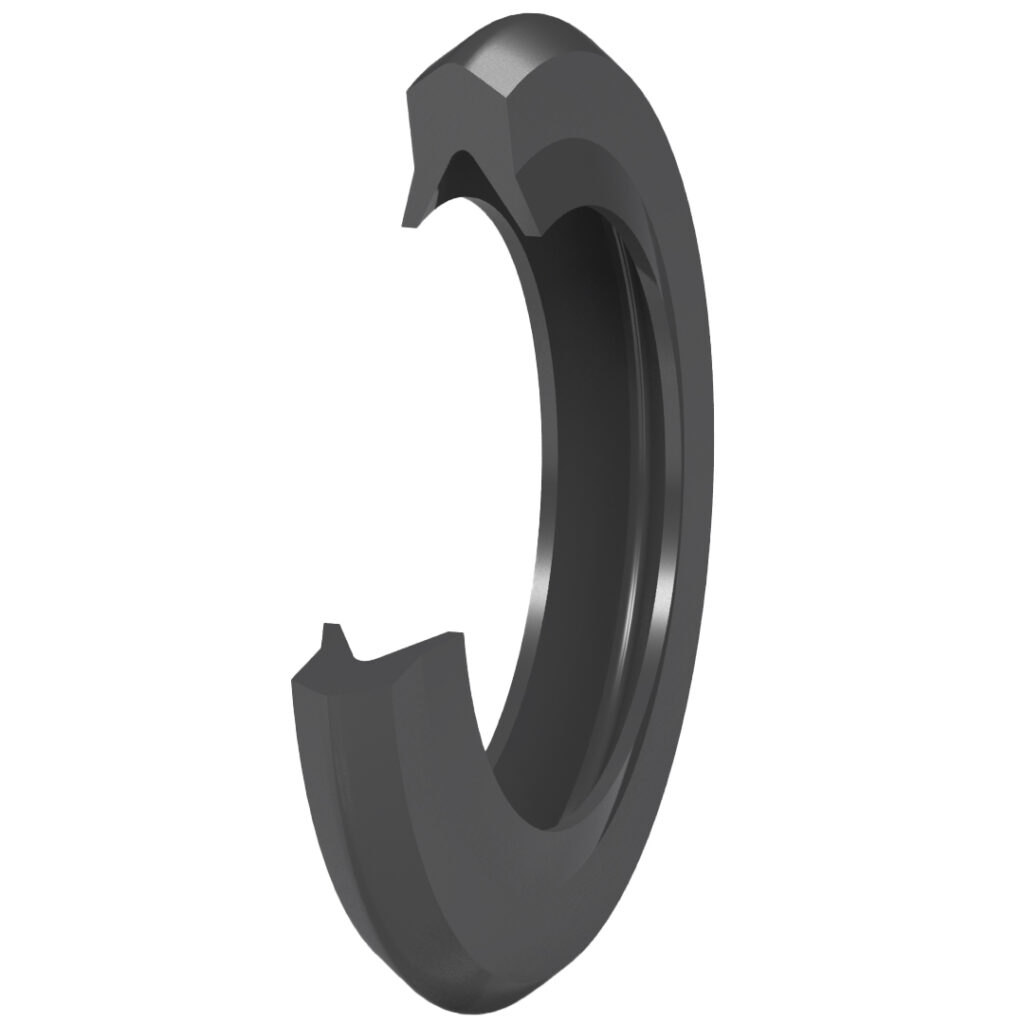
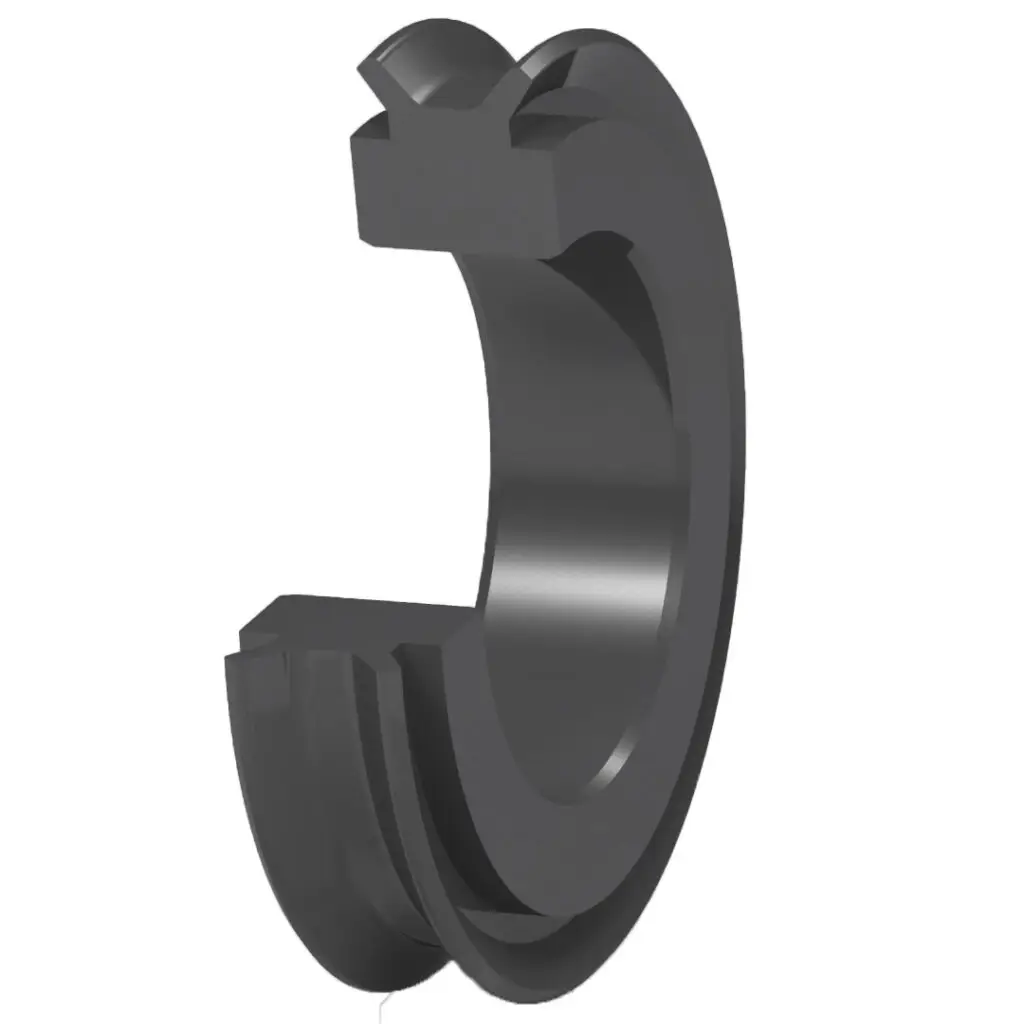
Pneumatic piston seals for reliable cylinder movements
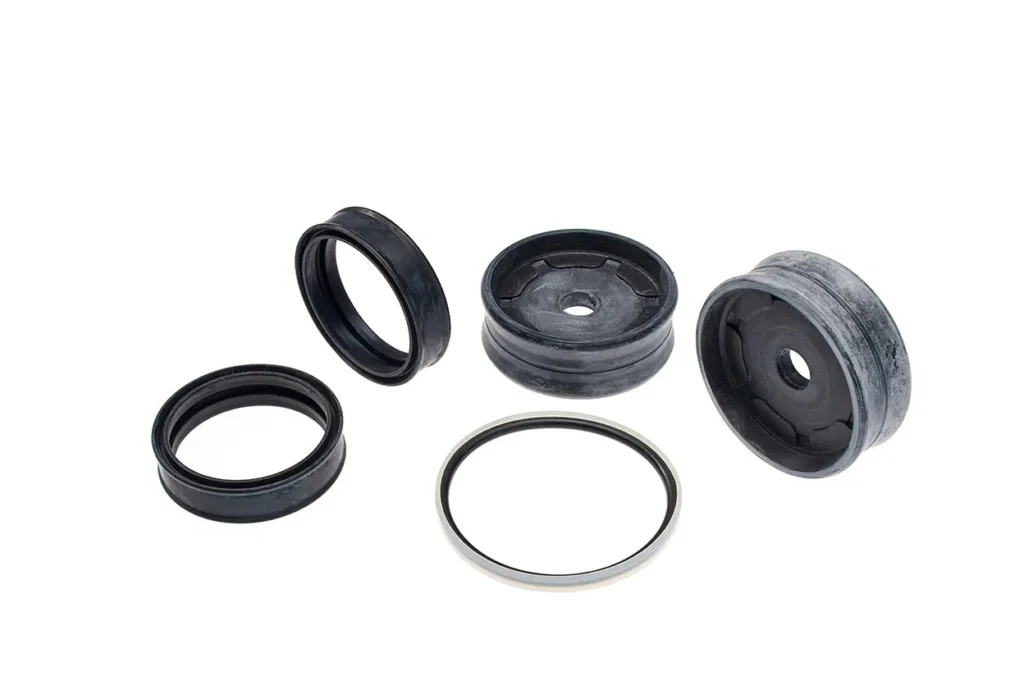
Pneumatic piston seals perform a central function in pneumatic cylinders. They ensure that stroke and pulling movements are properly sealed and that the required operating pressure can be built up in the system.
If a pneumatic piston seal is no longer fully functional, this often does not become apparent immediately. A typical first sign is that the full operating pressure is no longer reached. The right seal profile is therefore essential – matched to the sealing system, temperature, medium, and operating conditions.
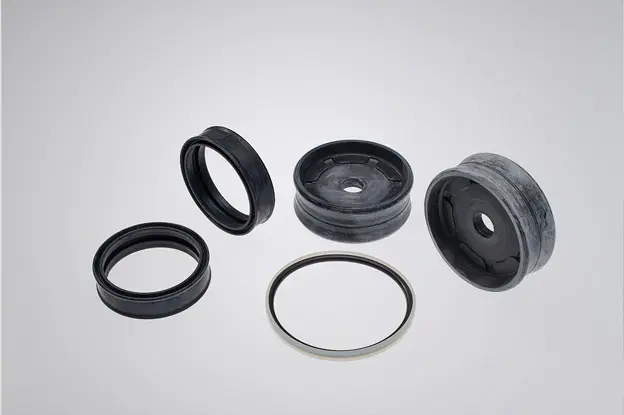
The right pneumatic piston seal for your application
We provide personal consulting
Send us your inquiry with dimensions, material, medium, temperature range, pressure, and operating conditions. Our team will review the right solution for your application.
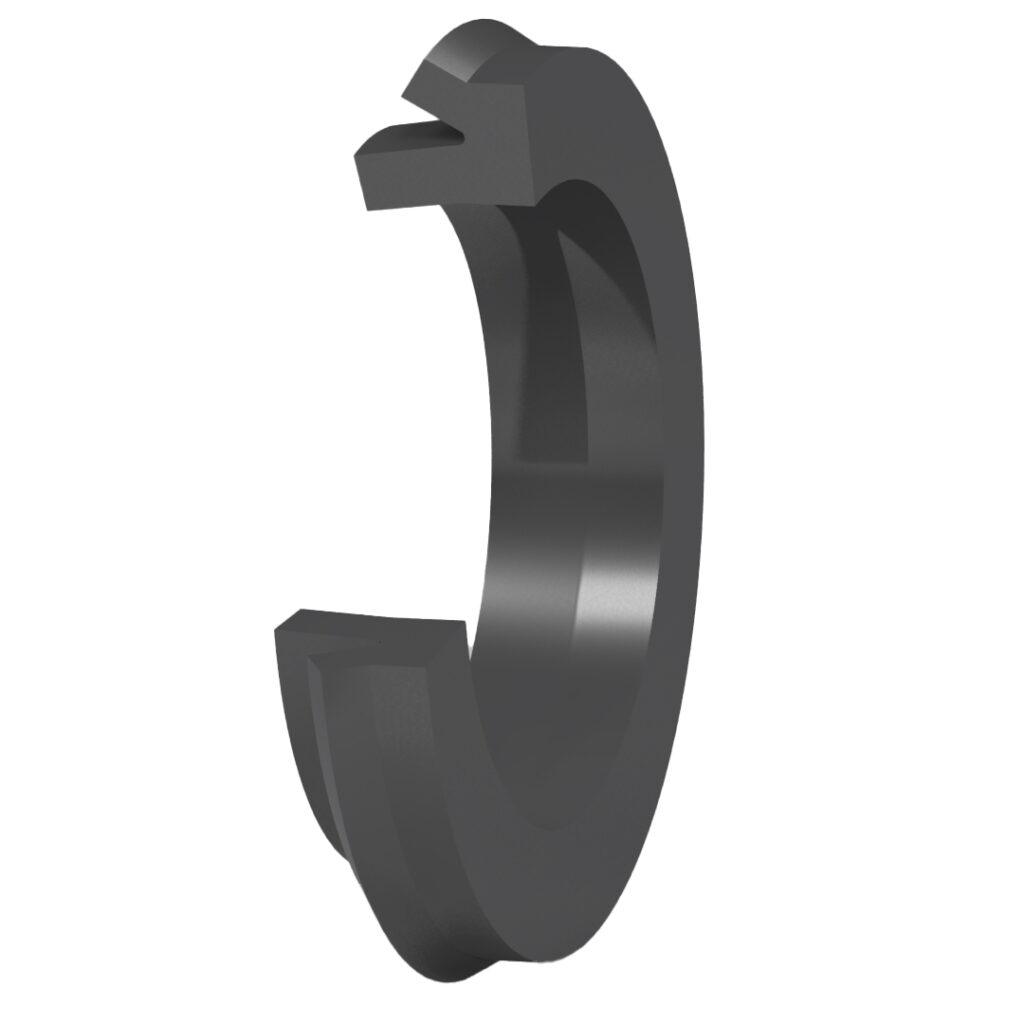
Pneumatic piston seals from INNSEALS
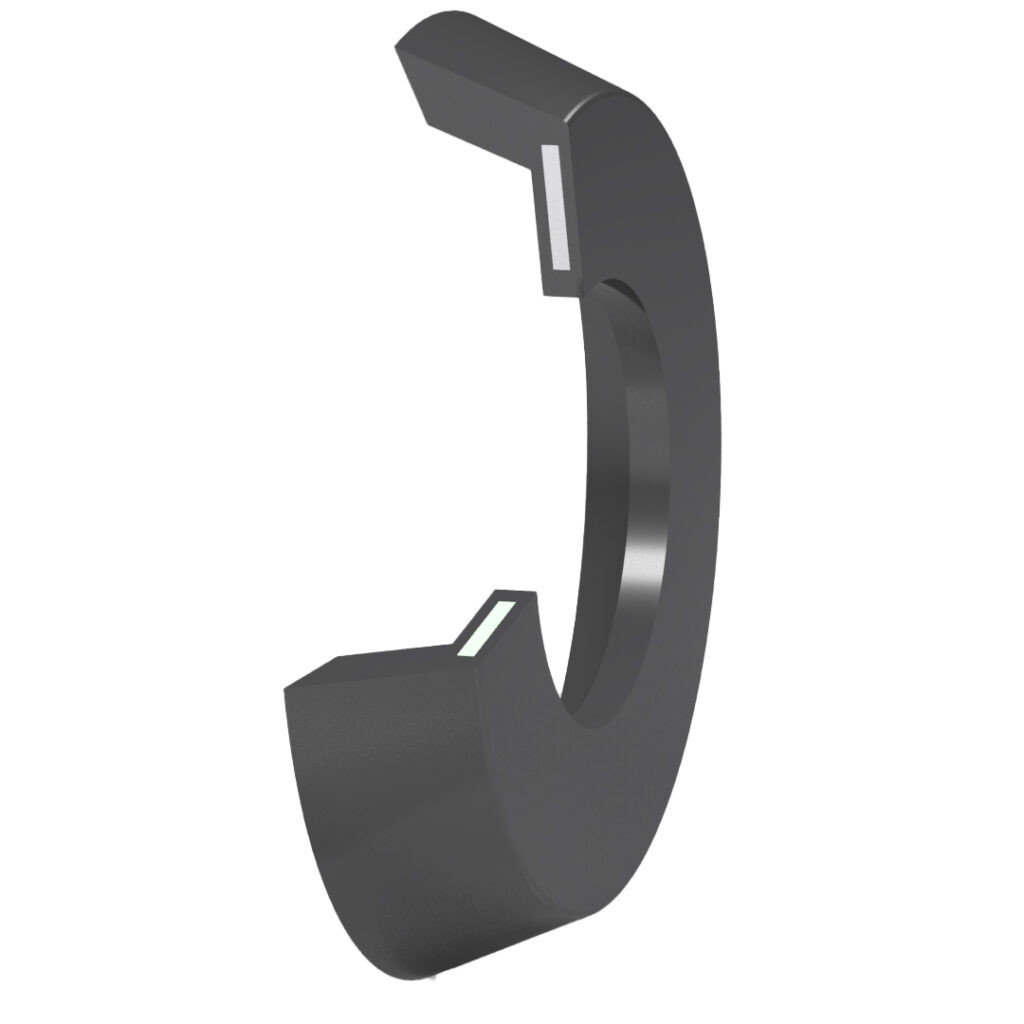
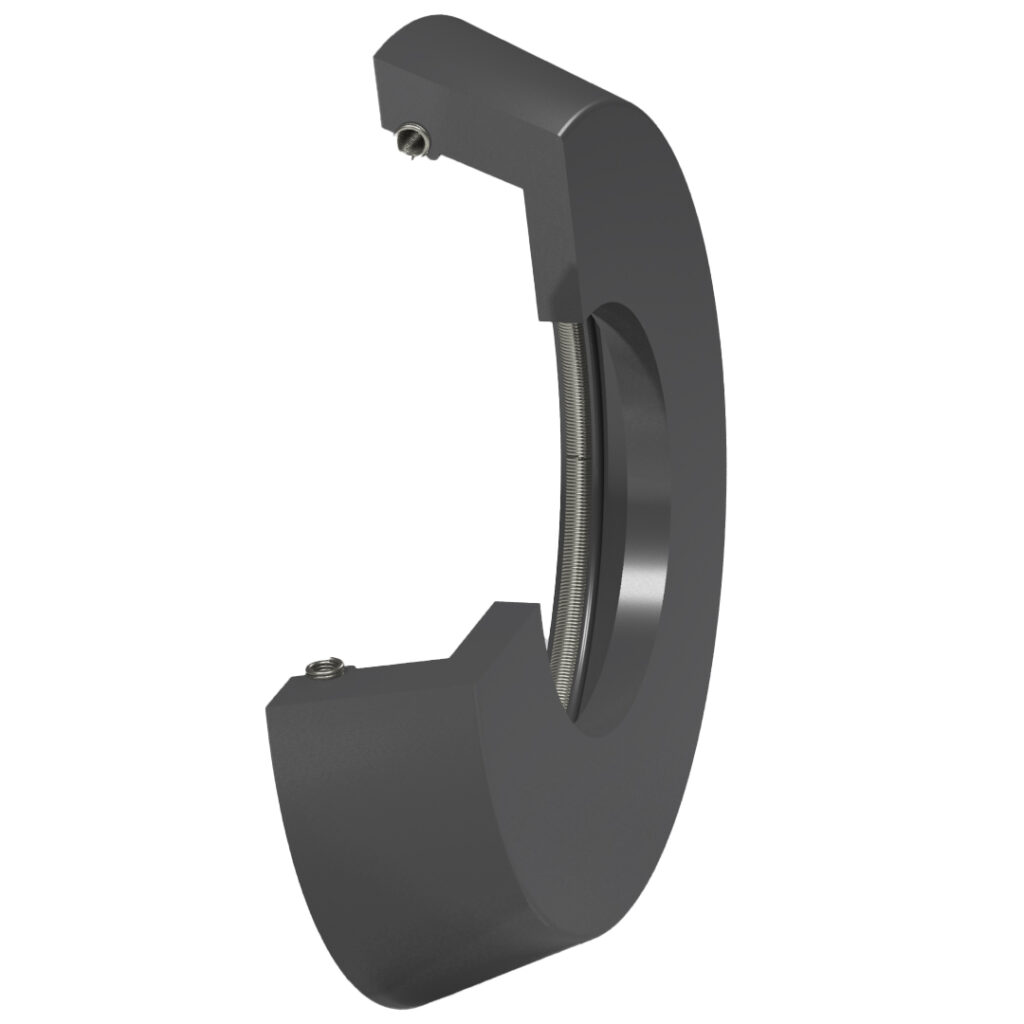
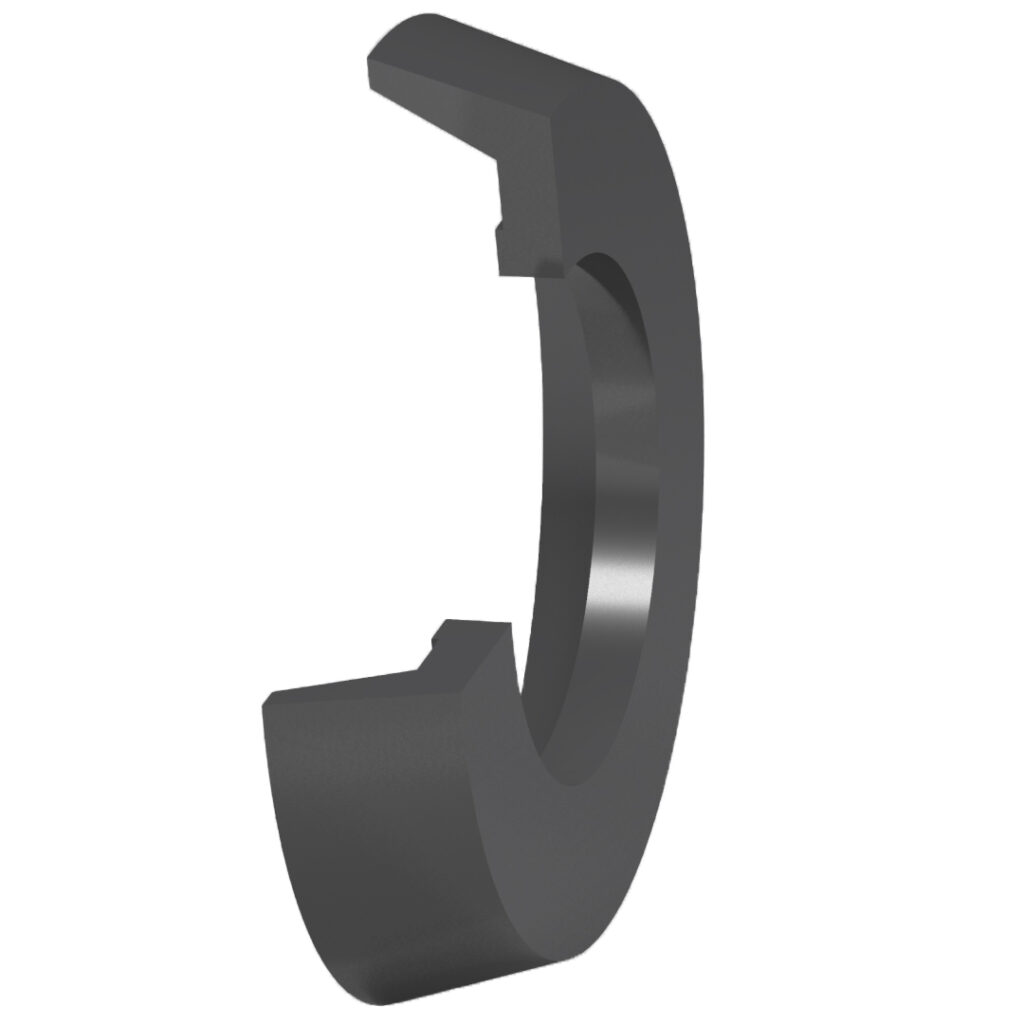
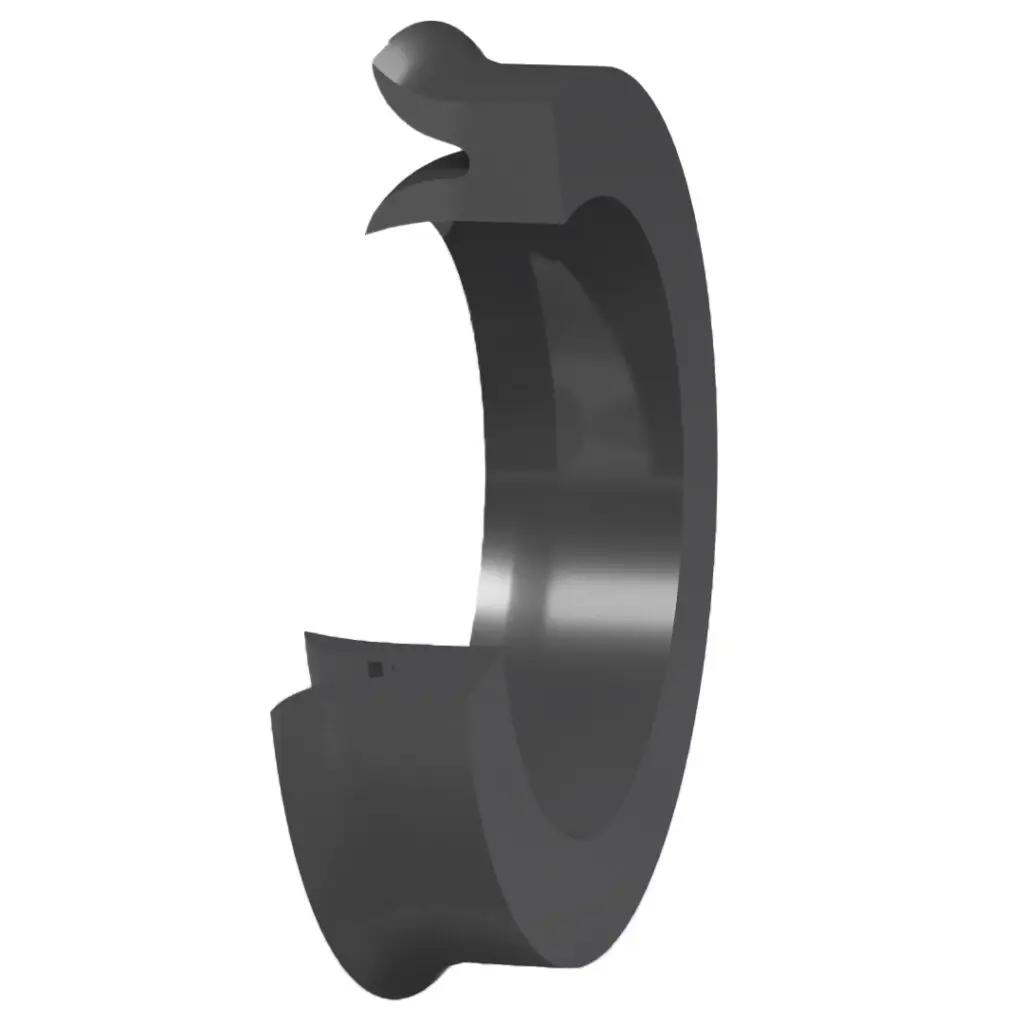
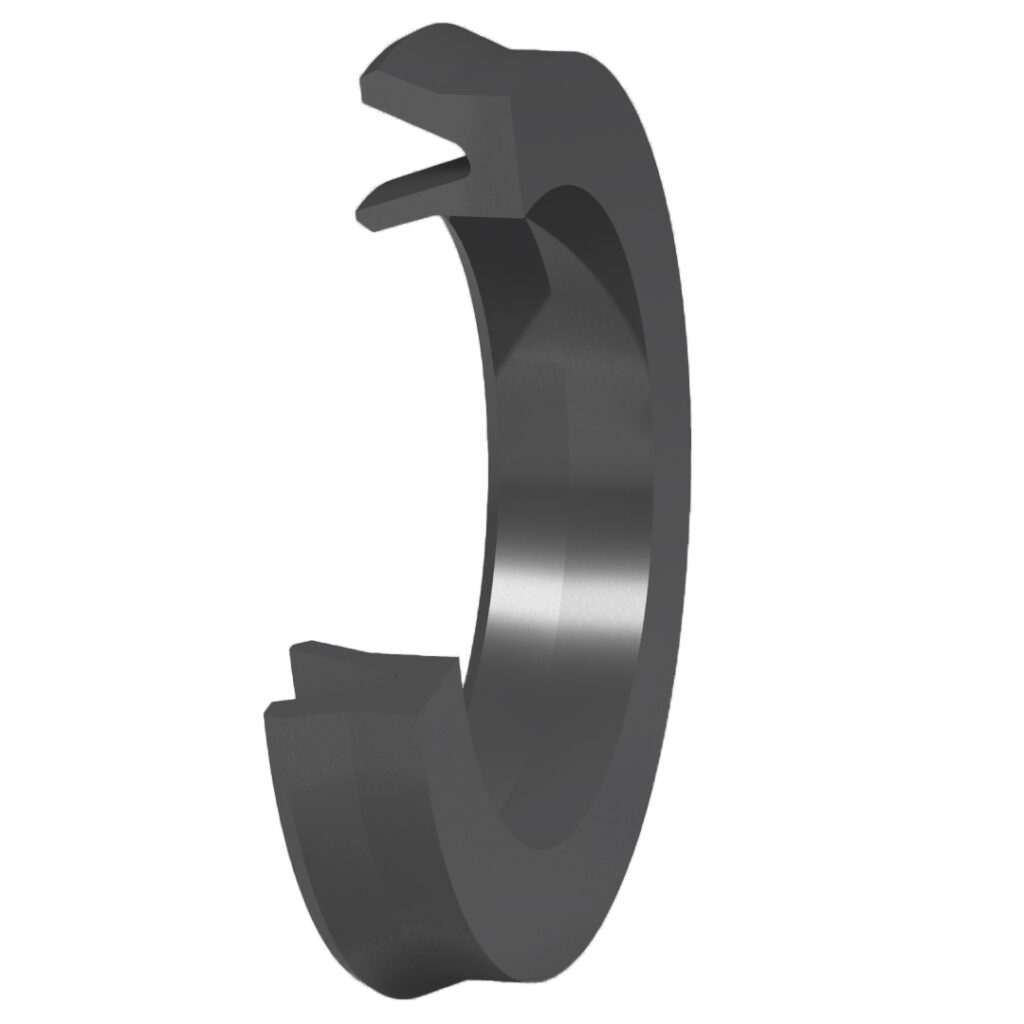
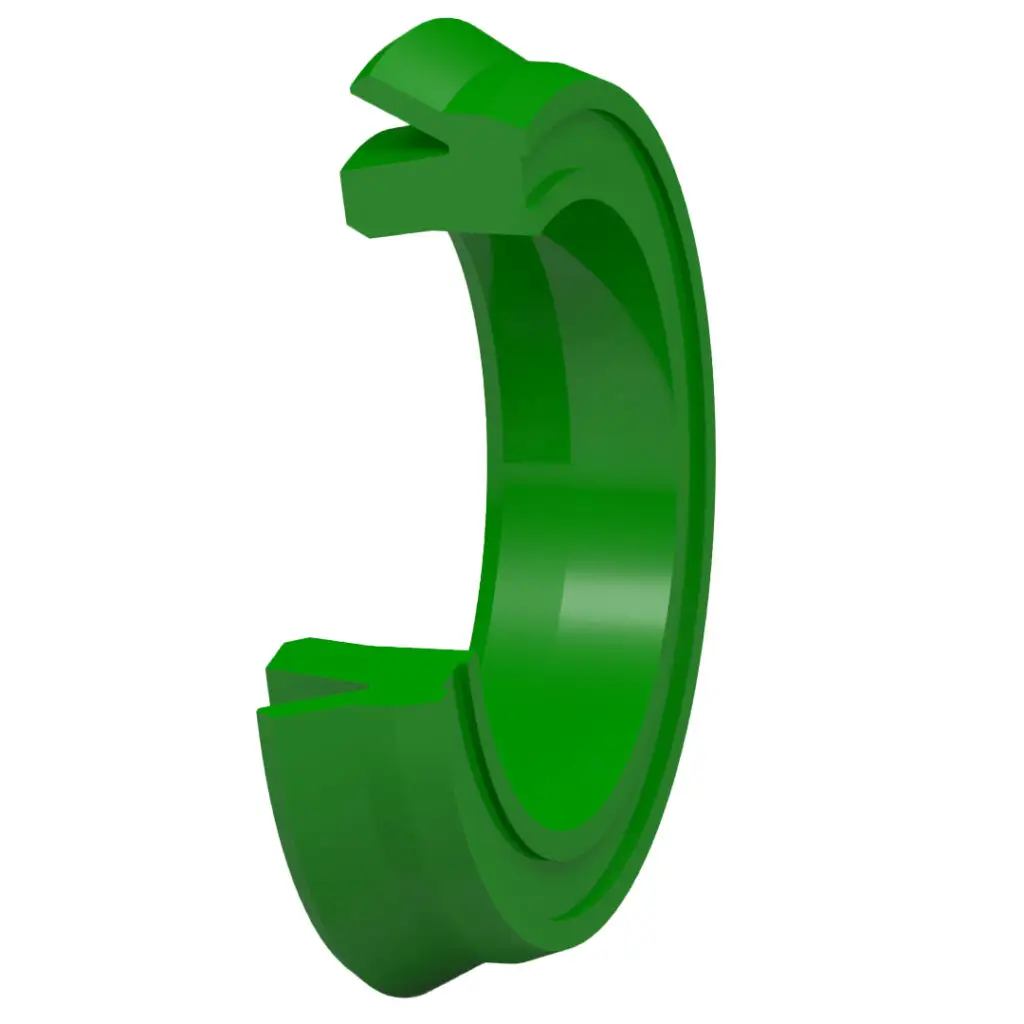
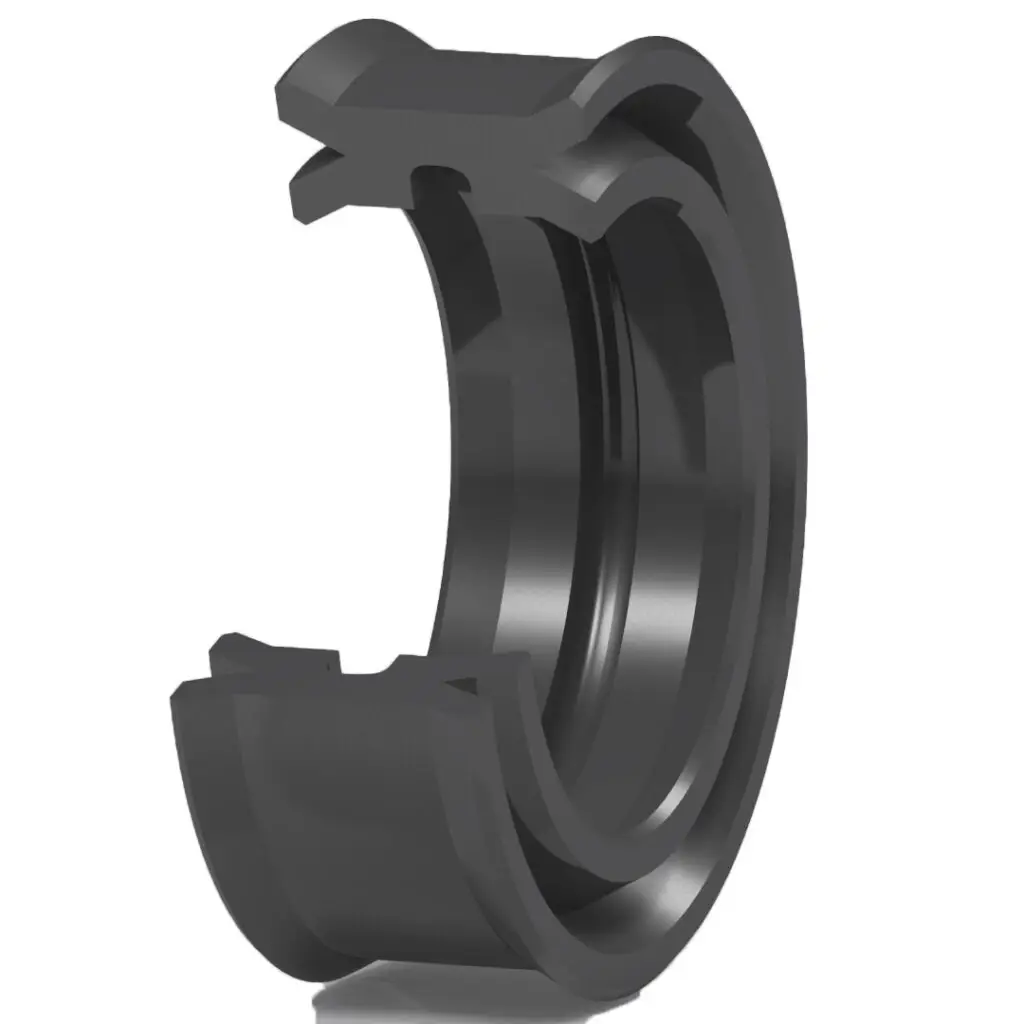
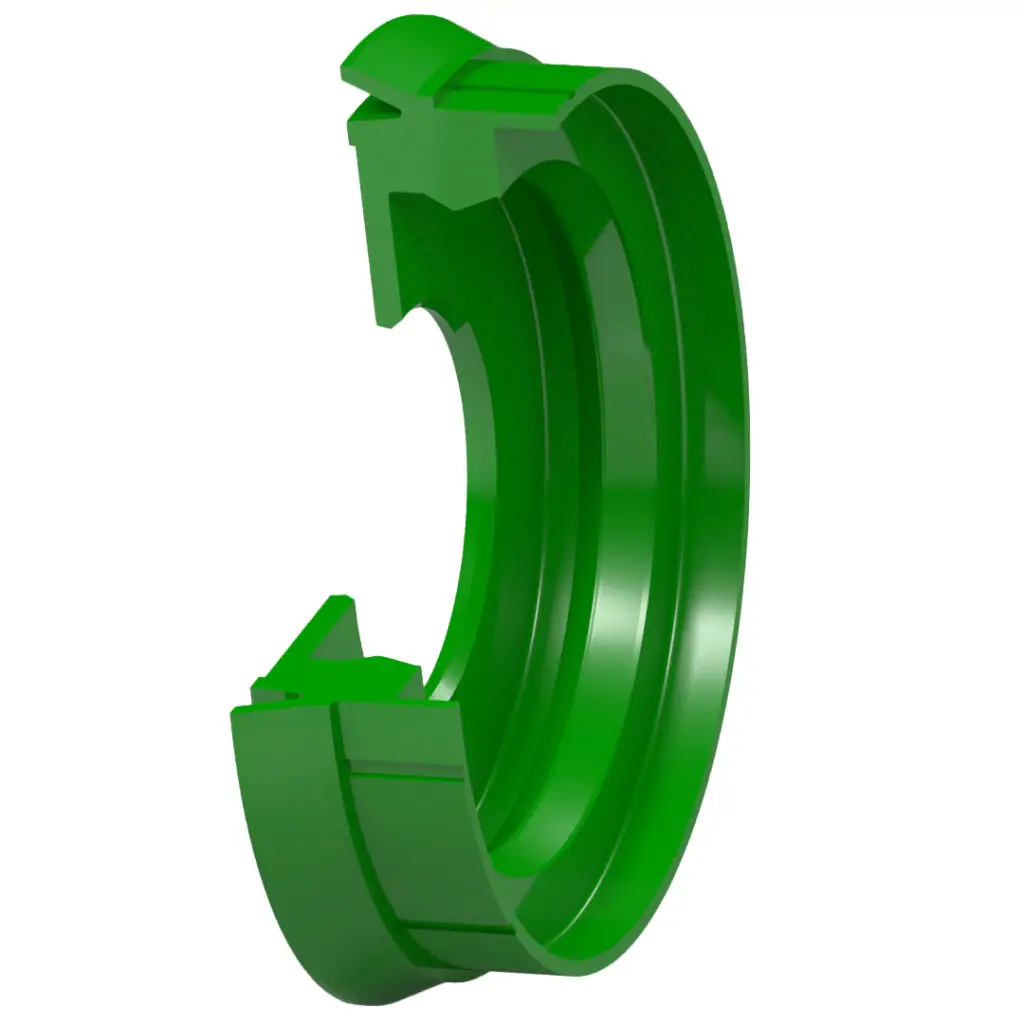
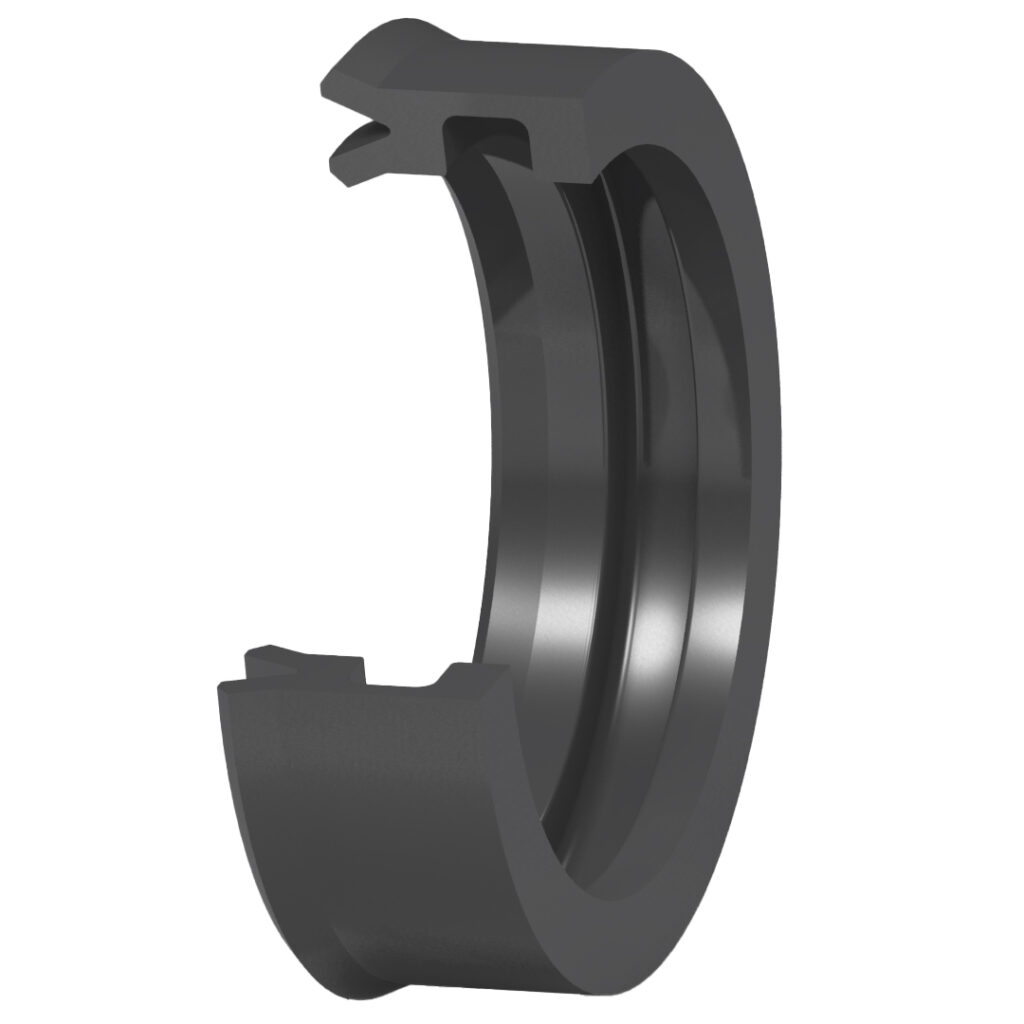
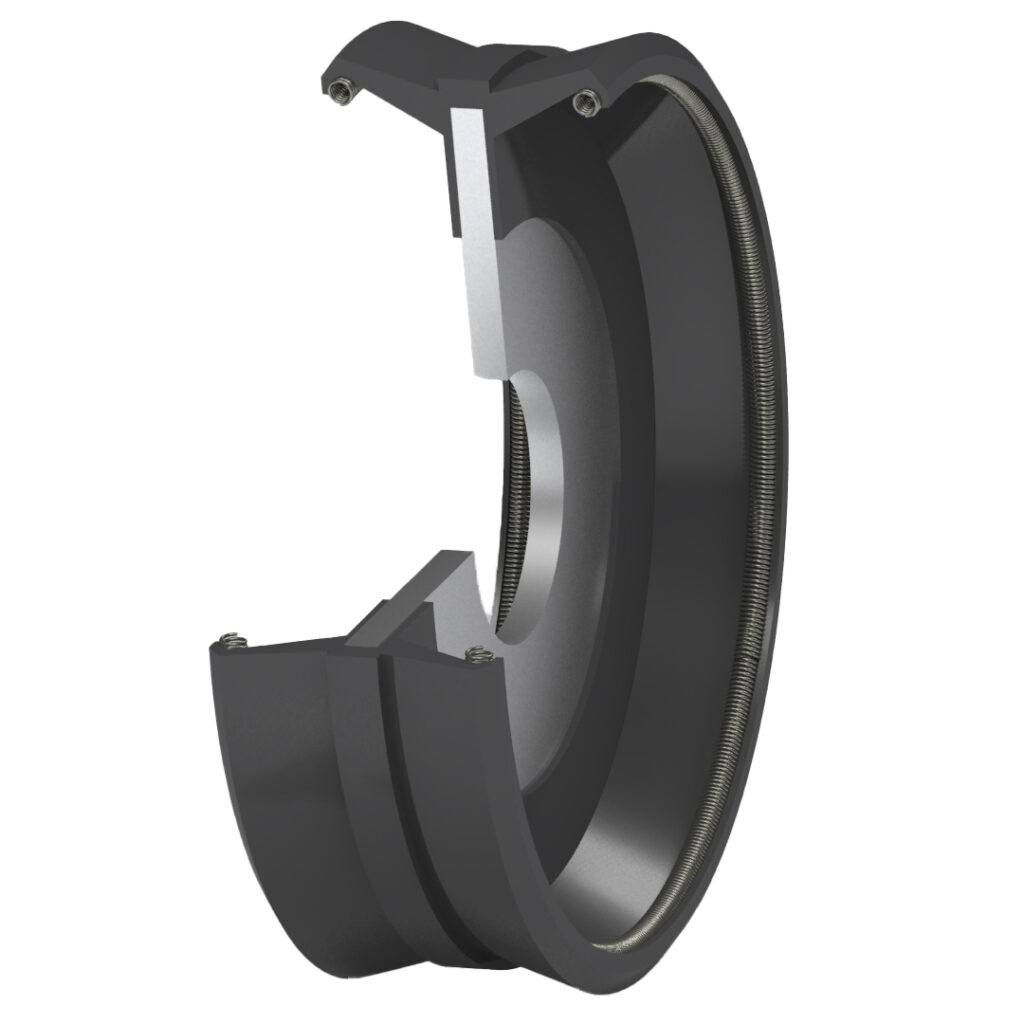
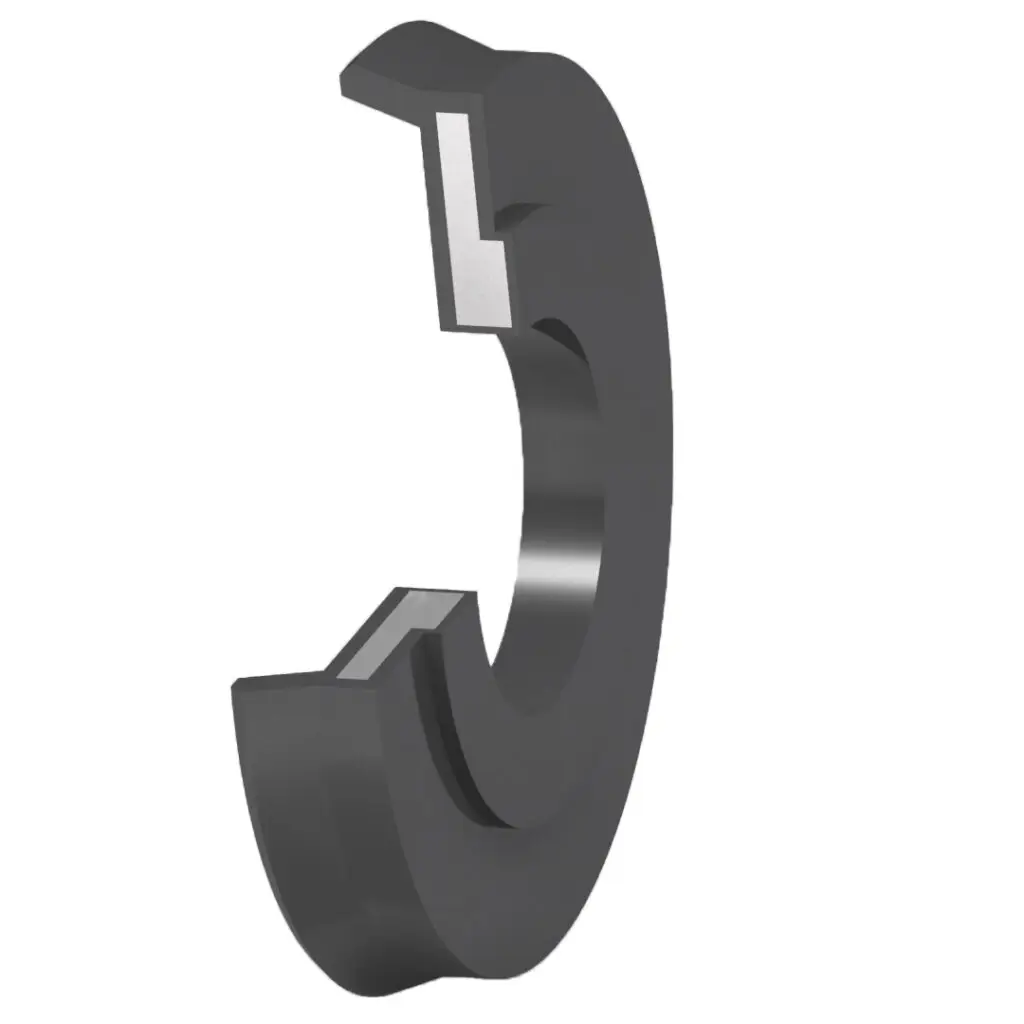
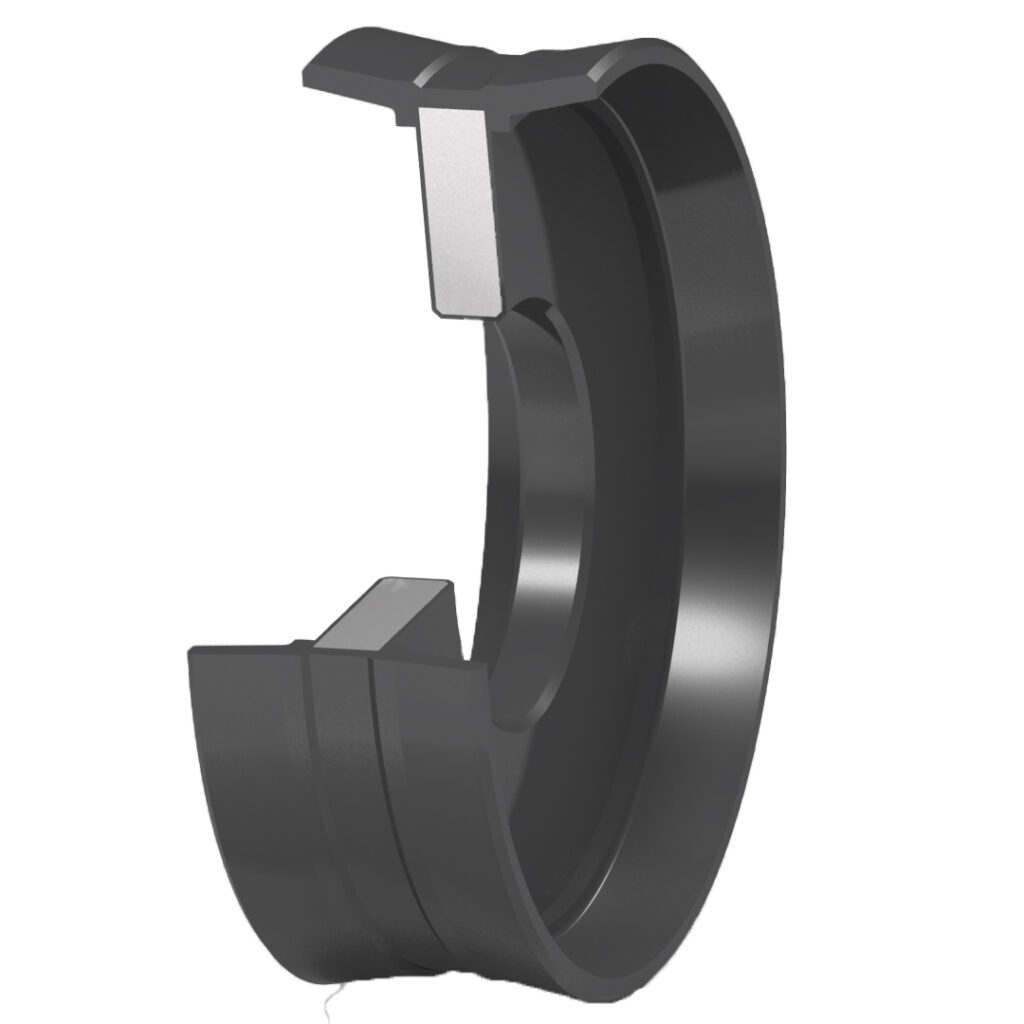
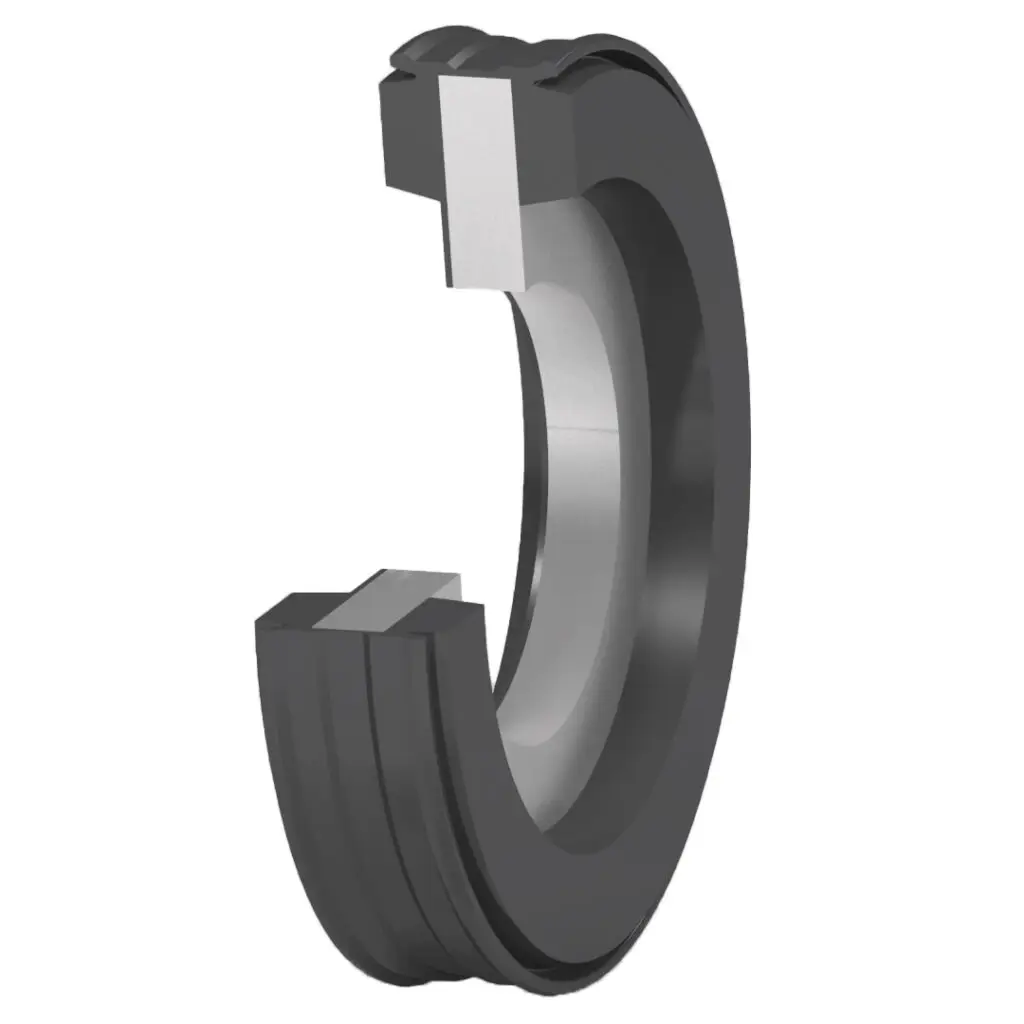
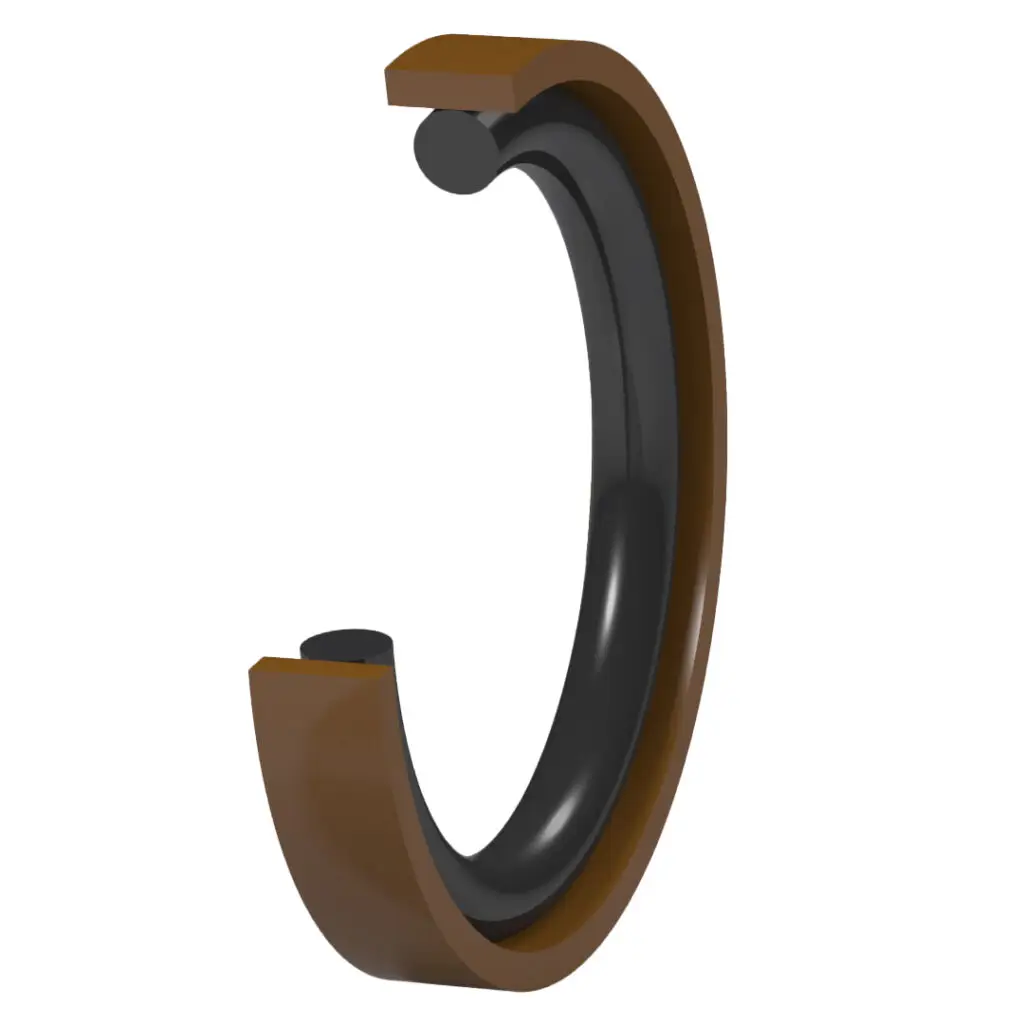
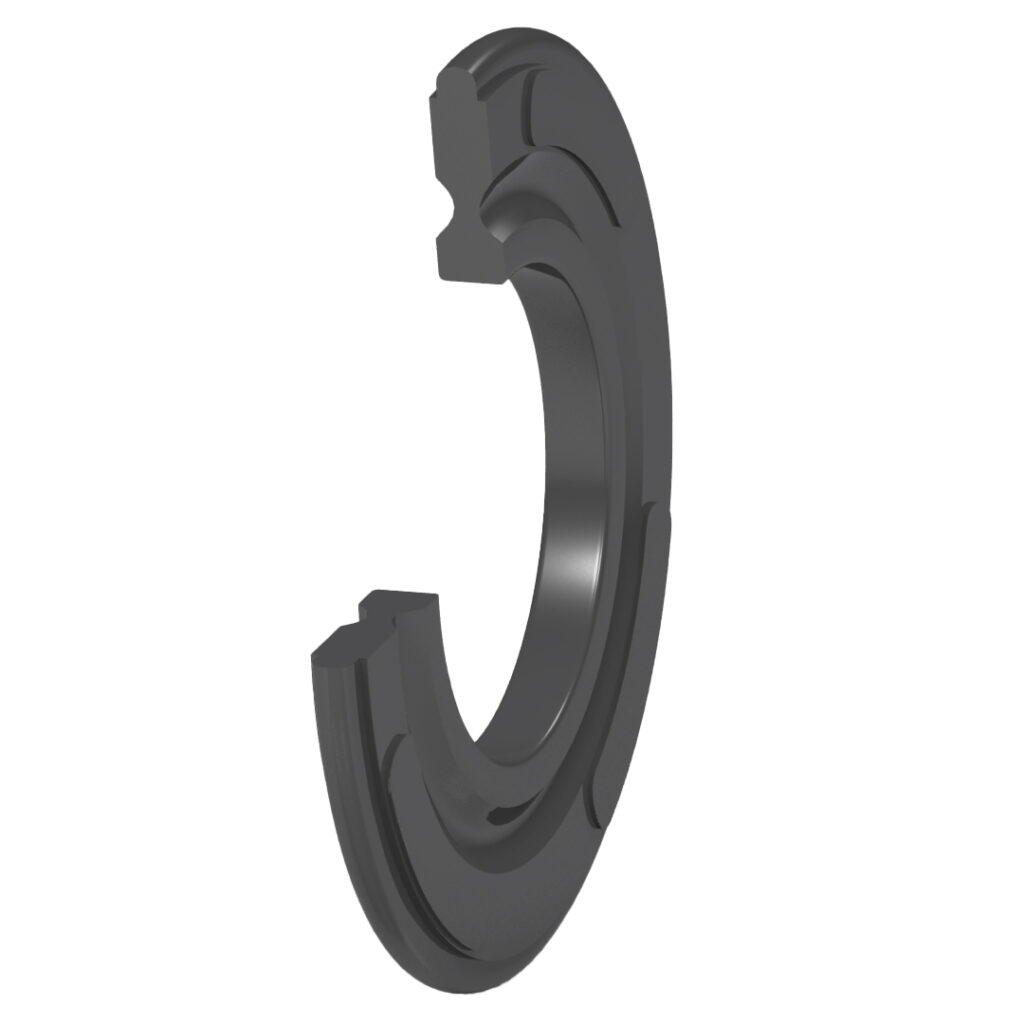
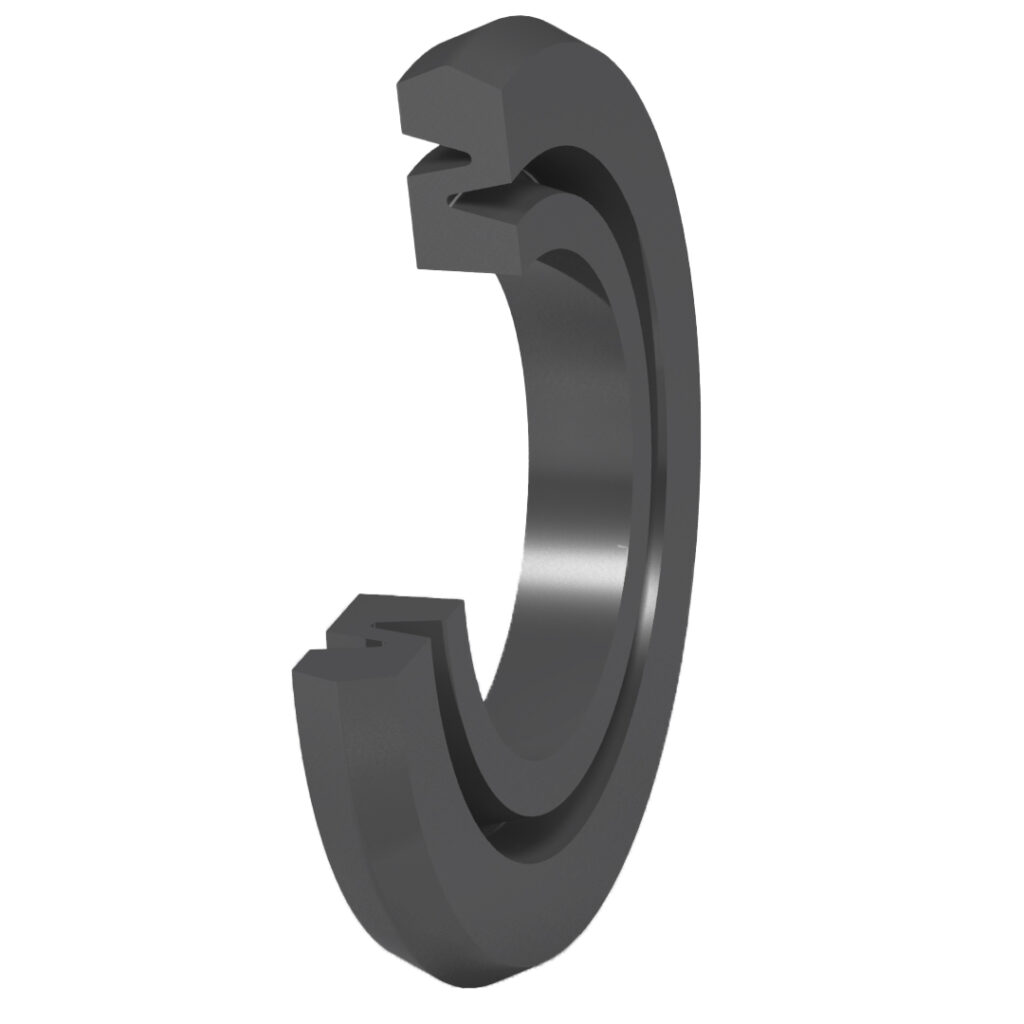
Pneumatic piston seals are used in the piston of a pneumatic cylinder. They separate the pressure chambers from each other and ensure that compressed air is converted into controlled linear motion.
Different seal profiles are used depending on the cylinder design. It is important whether the sealing system is designed as single-acting or double-acting. Operating pressure, temperature, medium, movement speed, and installation space also influence the selection of the right piston seal.
Piston seals in the pneumatic sealing system
Pneumatic piston seals often work together in the system with guide elements, wipers, and other sealing elements. Guide elements stabilize the piston, while the piston seal seals the pressure chambers.
Only the interaction of the individual components ensures reliable function, low friction, and a long service life of the pneumatic cylinder.
Functions
- Sealing of the pressure chambers in the pneumatic cylinder
- Ensuring stroke and pulling movements
- Build-up and maintenance of operating pressure
- support for controlled motion sequences
- prevention of internal leakage
- contribution to the mechanical function of the sealing system
Application
- pneumatic cylinders
- automation technology
- mechanical and plant engineering
- handling technology
- packaging machines
- manufacturing technology
- linear pneumatic systems
- stroke and pulling movements
- single- and double-acting cylinders
Single-acting and double-acting piston seals
The selection of the right pneumatic piston seal depends heavily on the cylinder design. In single-acting systems, pressure acts in only one direction of movement. In double-acting systems, the piston seal must provide reliable sealing in both directions.
Key distinctions
- single-acting piston seals
- double-acting piston seals
- sealing systems with guide elements
- combinations with wipers and other sealing elements
- profiles for different pressure and movement requirements
Variants
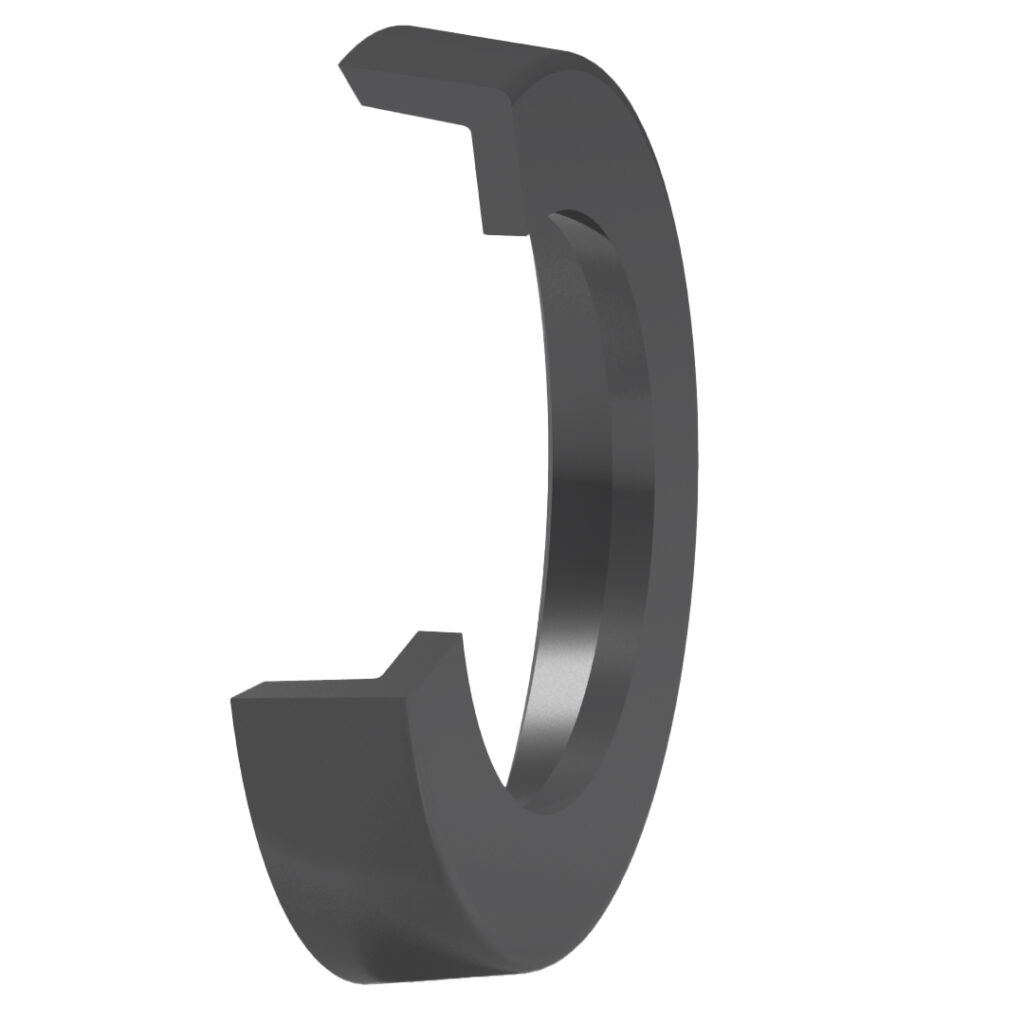
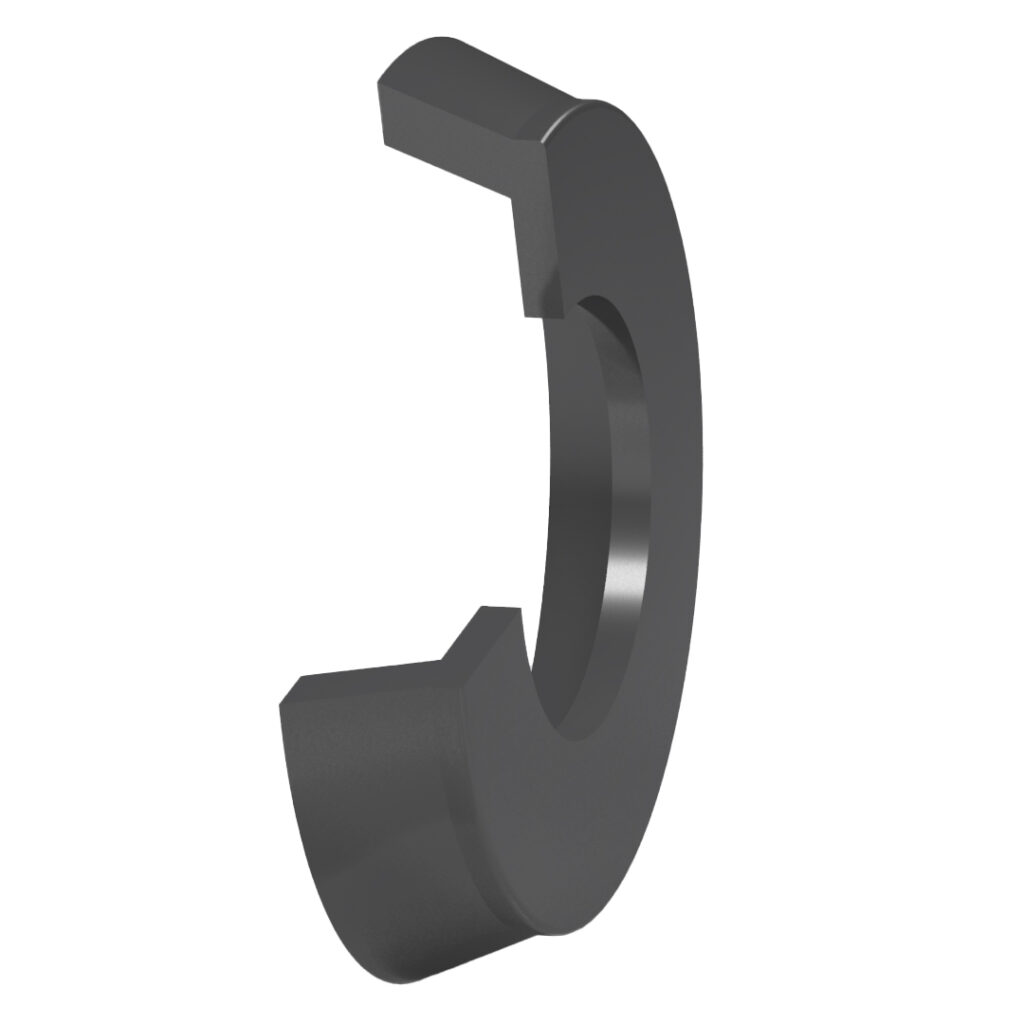
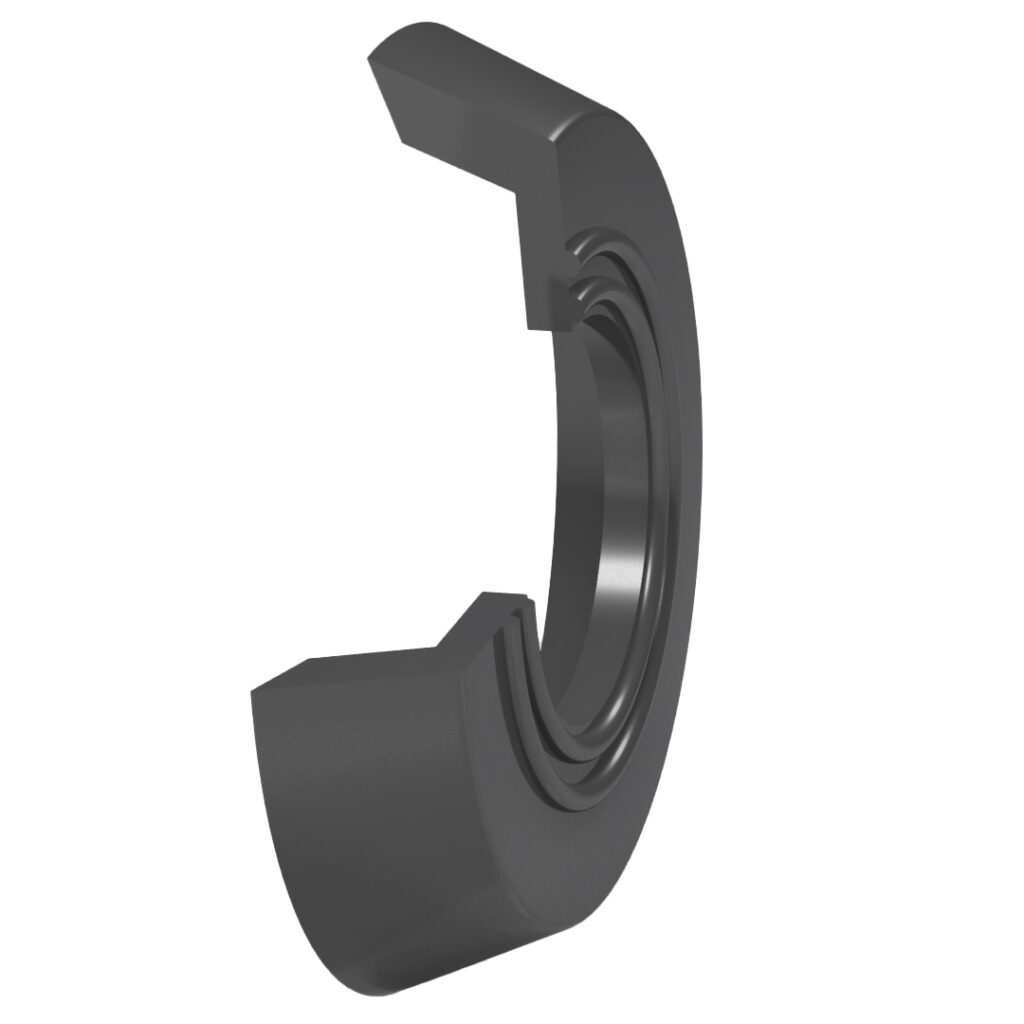
Piston seal profile PK02
Piston seal profile PK03
Piston seal profile PK05
Piston seal profile PK06
Piston seal profile PK07
Piston seal profile PK08
Piston seal profile PK10
Piston seal profile PK11
Piston seal profile PK12
Piston seal profile PK13
Piston seal profile PK14
Piston seal profile PK15
Piston seal profile PK16
Piston seal profile PK18
Piston seal profile PK19
Piston seal profile PK20
Piston seal profile PK21
Piston seal profile PK24
Piston seal profile PK25
Piston seal profile PK26
Piston seal profile PK27
Piston seal profile PK92
Your FAQs answered
Frequently asked questions:
Der Einsatz ist notwendig, sobald ein pneumatischer Zylinder verwendet wird. Ohne Kolbendichtung kann kein ausreichender Druck aufgebaut oder gehalten werden.
Yes, leakages lead to pressure loss and inaccurate movement. This reduces efficiency and can lead to functional malfunctions.
Pneumatic seals are designed for lower pressures and drier conditions. They often require lower friction and are more sensitive to lubrication.
An optimally matched seal reduces air losses and friction. This makes the system work more efficiently and requires less energy for the same output.