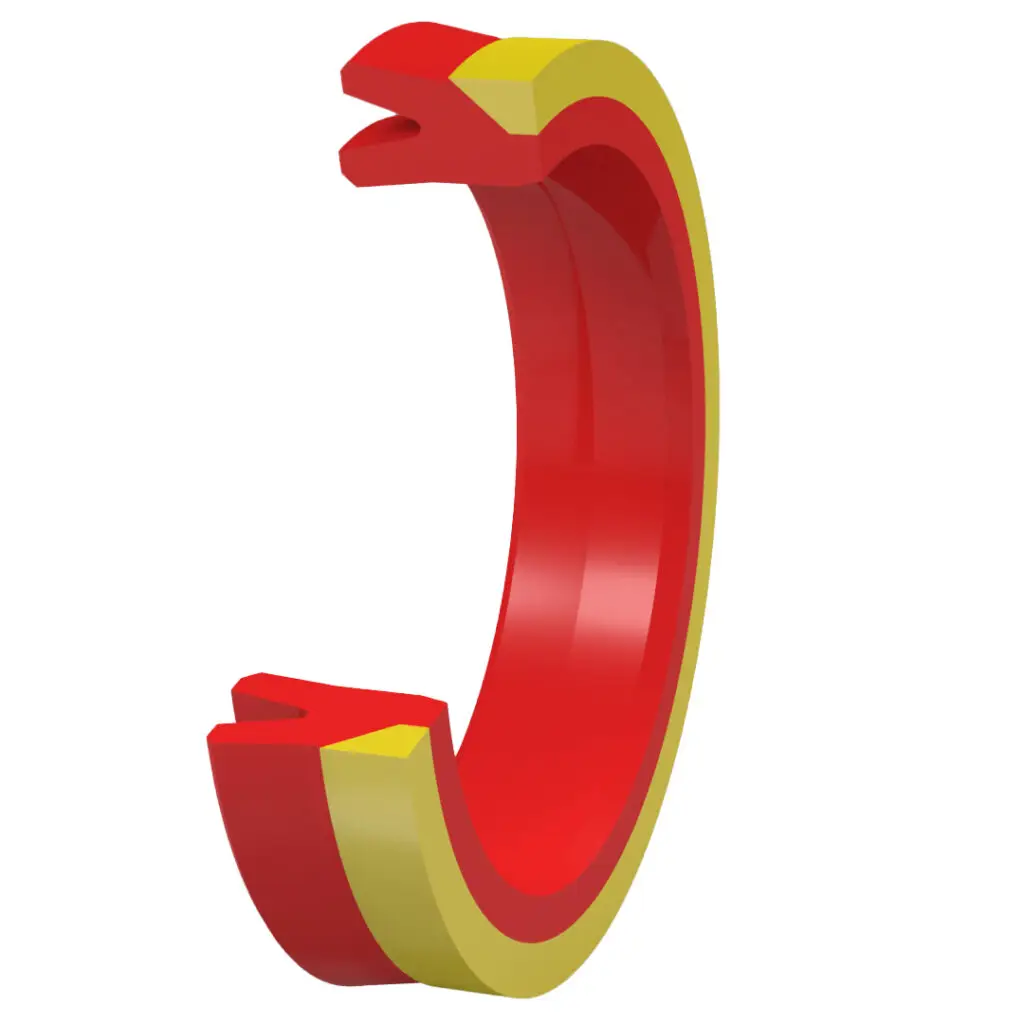
Hydraulic piston seals for reliable cylinder movements
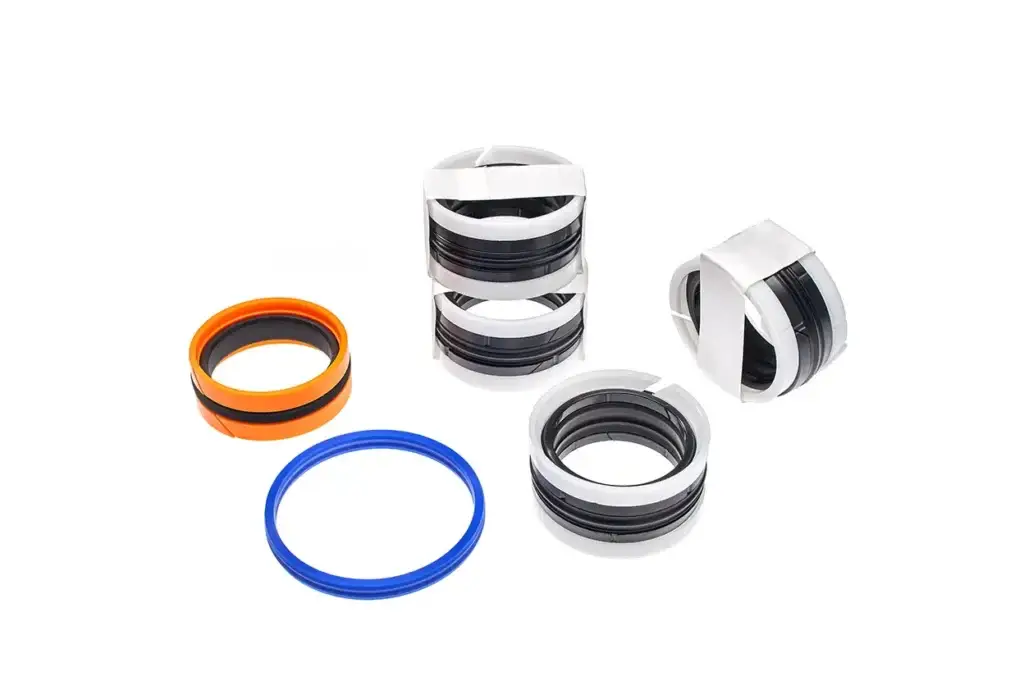
Piston seals perform a central function in hydraulic cylinders. They ensure that stroke and return movements are sealed in a controlled manner and that operating pressure can be reliably built up within the system.
If a piston seal is no longer fully functional, this is often not immediately noticeable. A typical indication is that full operating pressure is no longer achieved. INNSEALS supports you in selecting suitable piston seals – matched to the sealing system, temperature, medium and operating conditions.
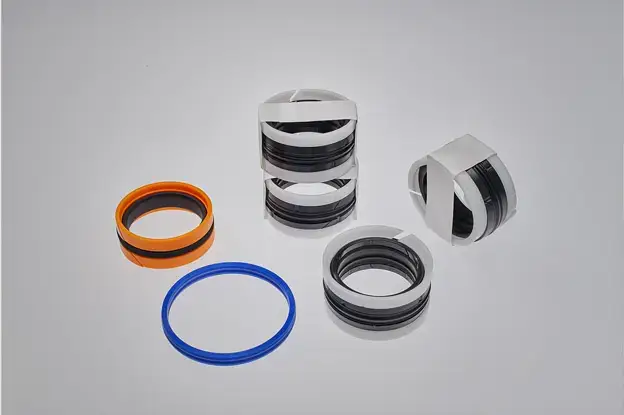
The right piston seal for your application
We provide personal consulting
Send us your inquiry with dimensions, material, medium, temperature range, pressure, and operating conditions. Our team will review the right solution for your application.
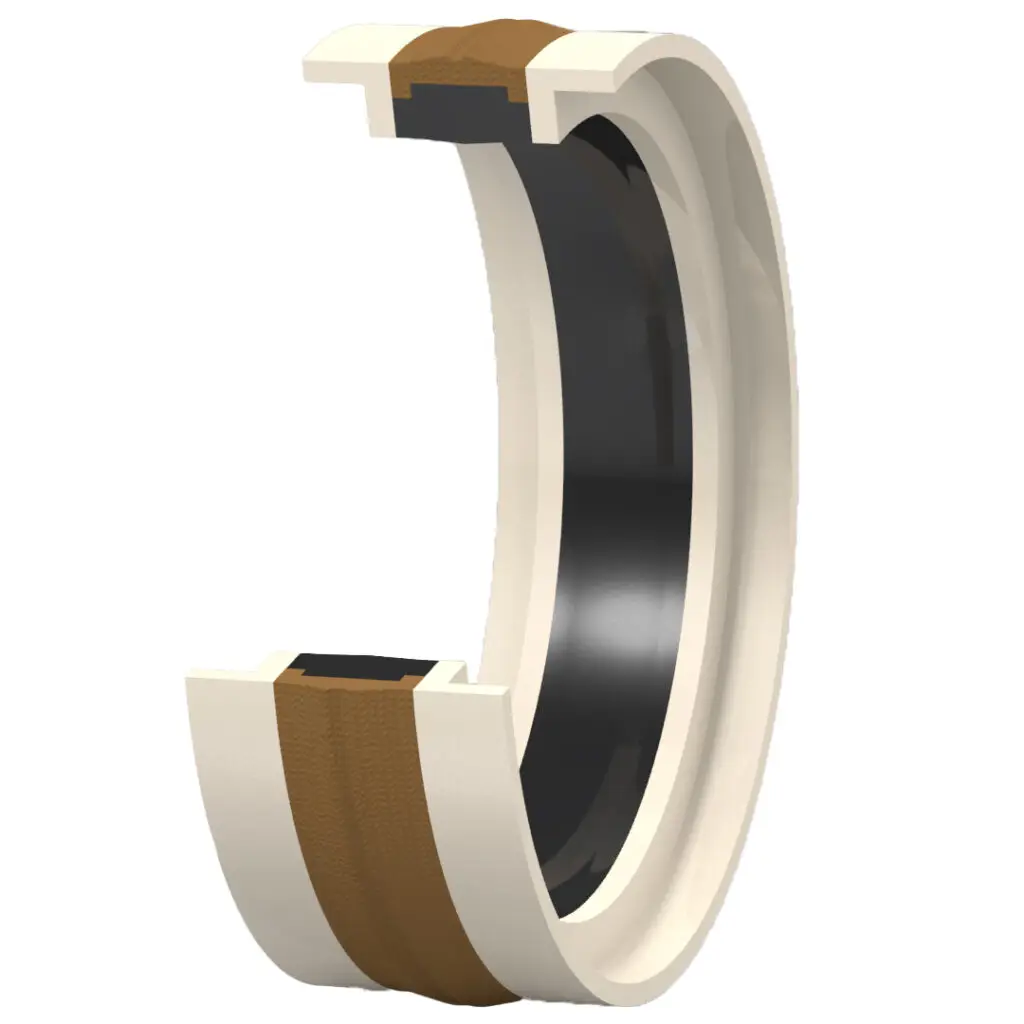
Piston seals from INNSEALS
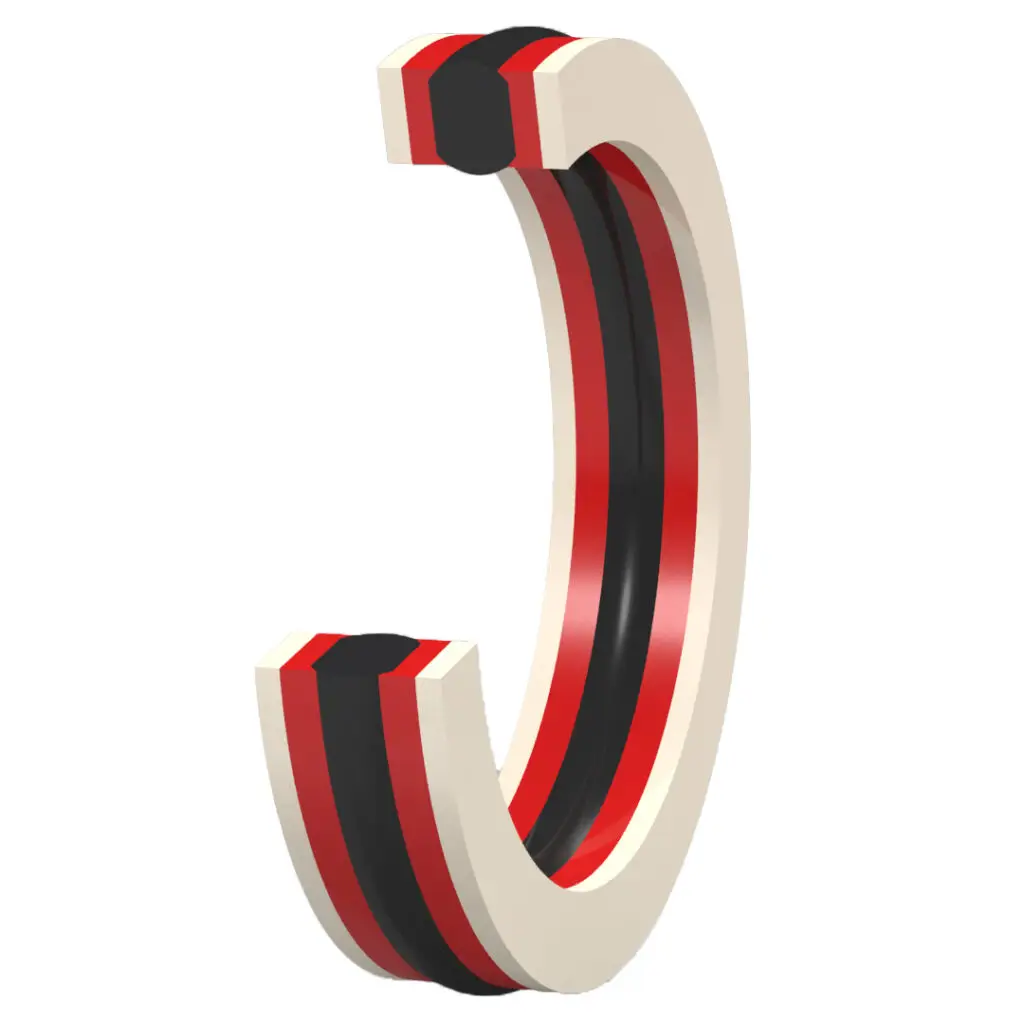
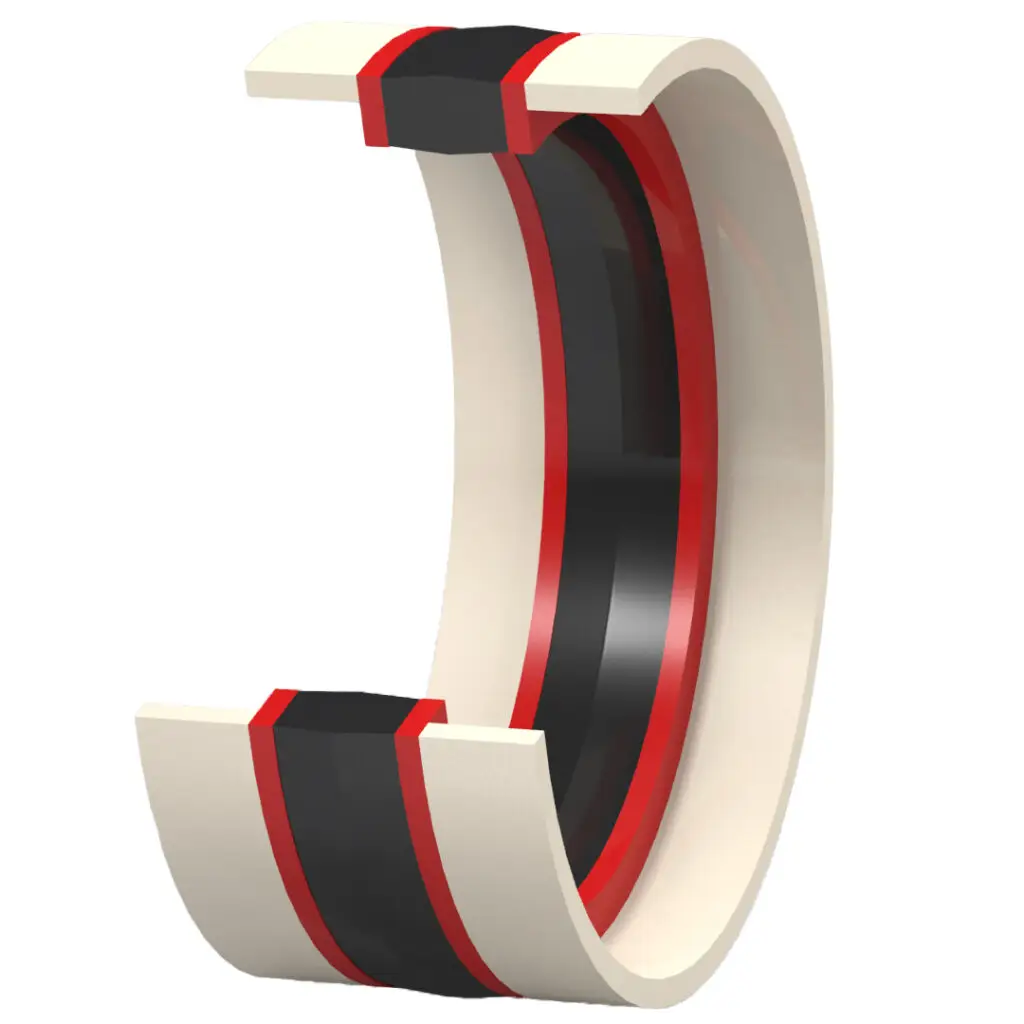
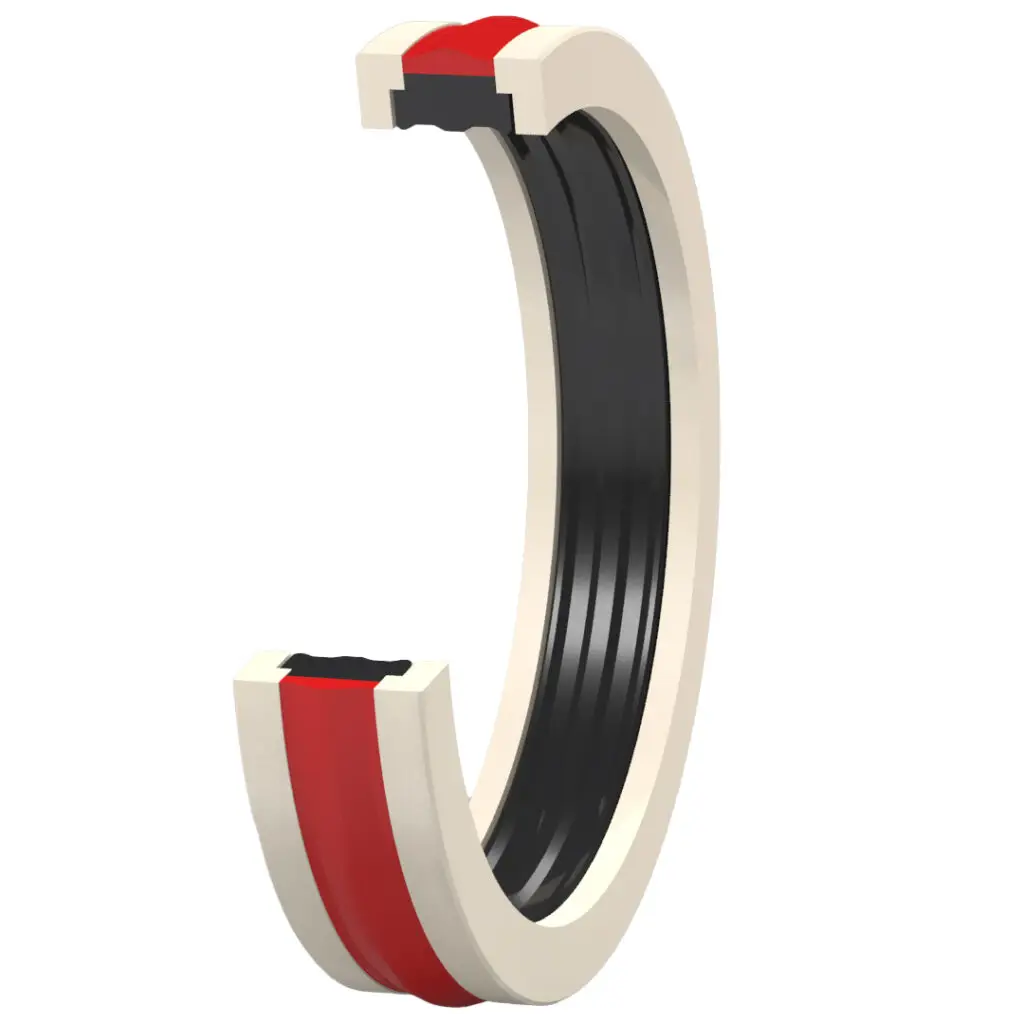
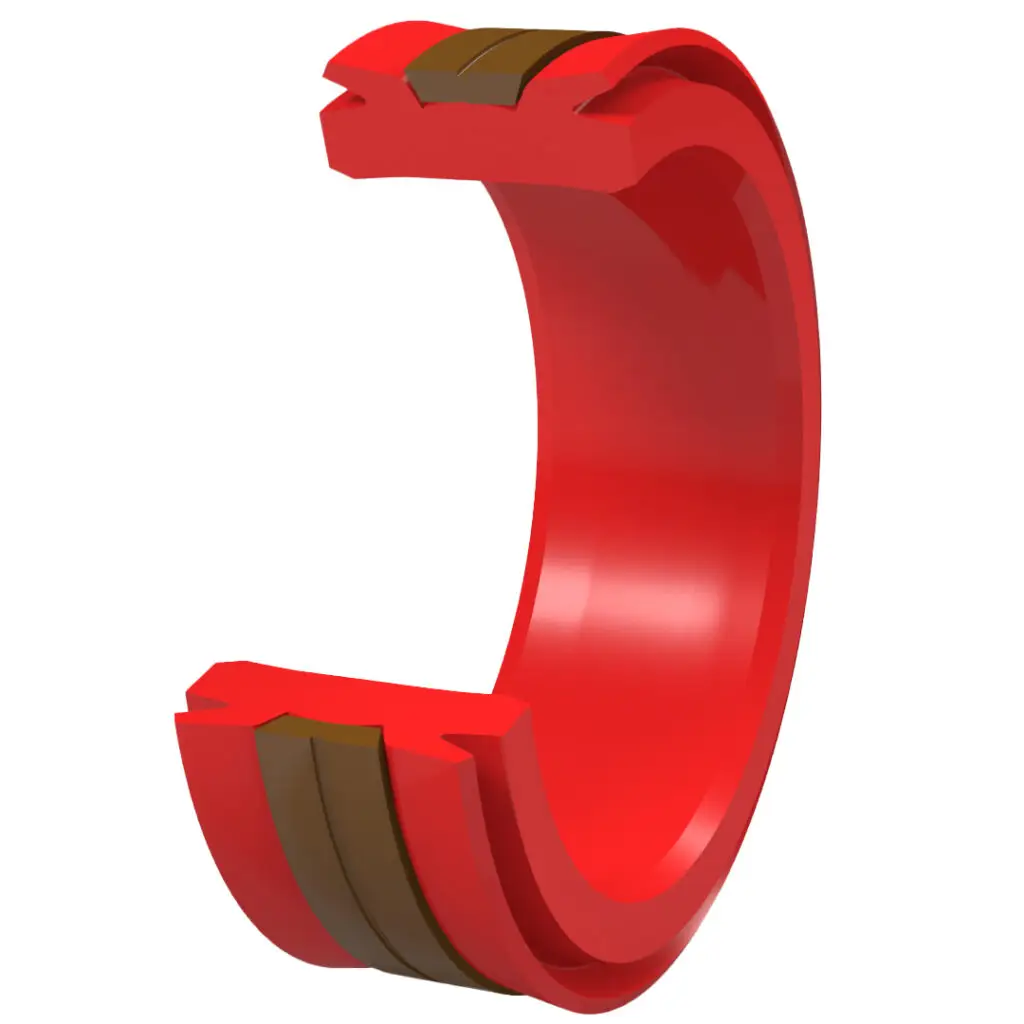
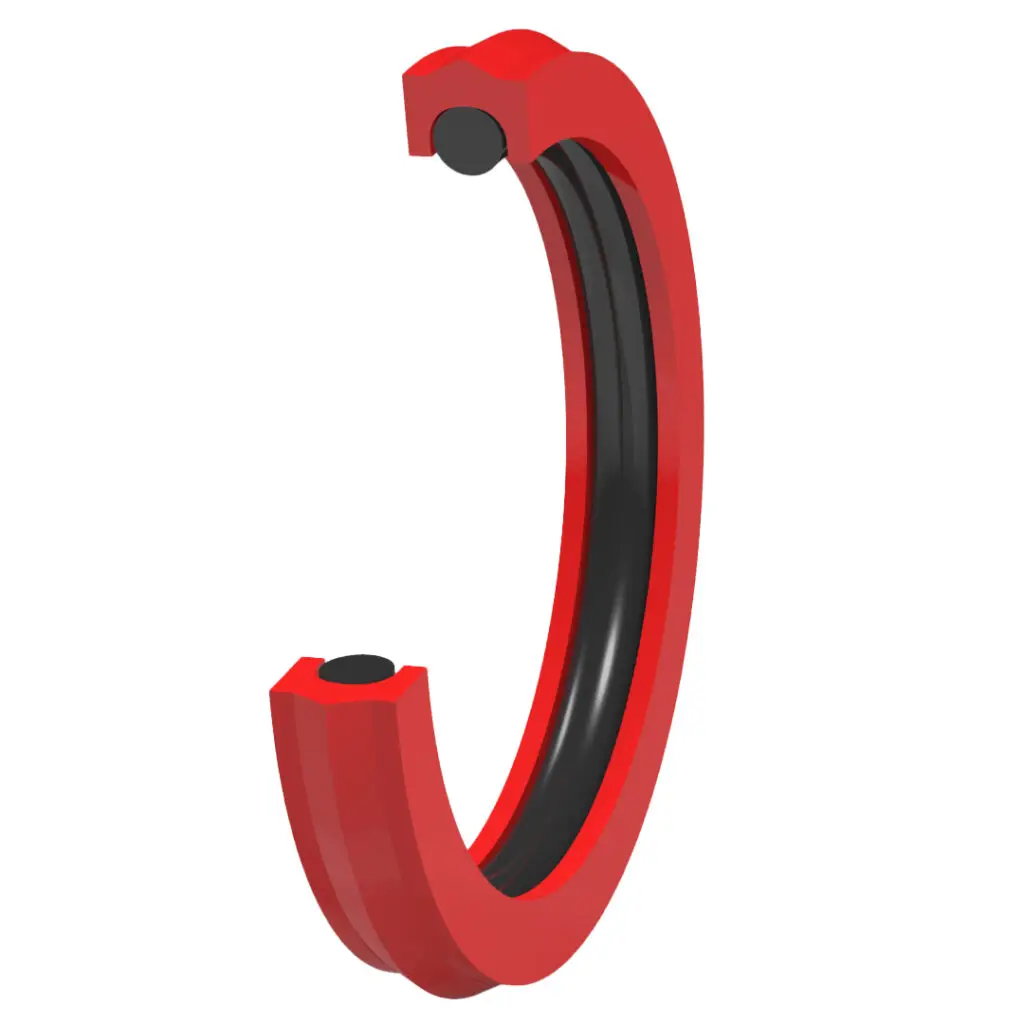
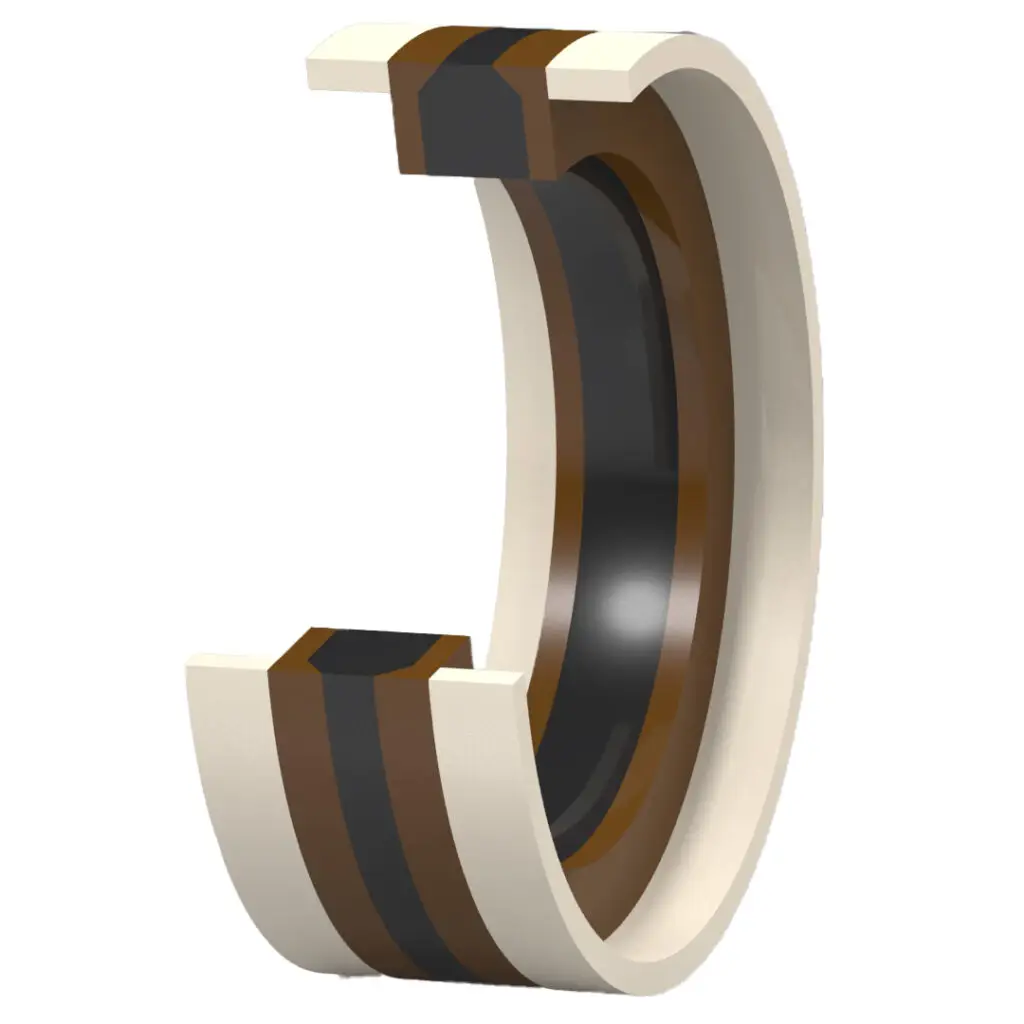
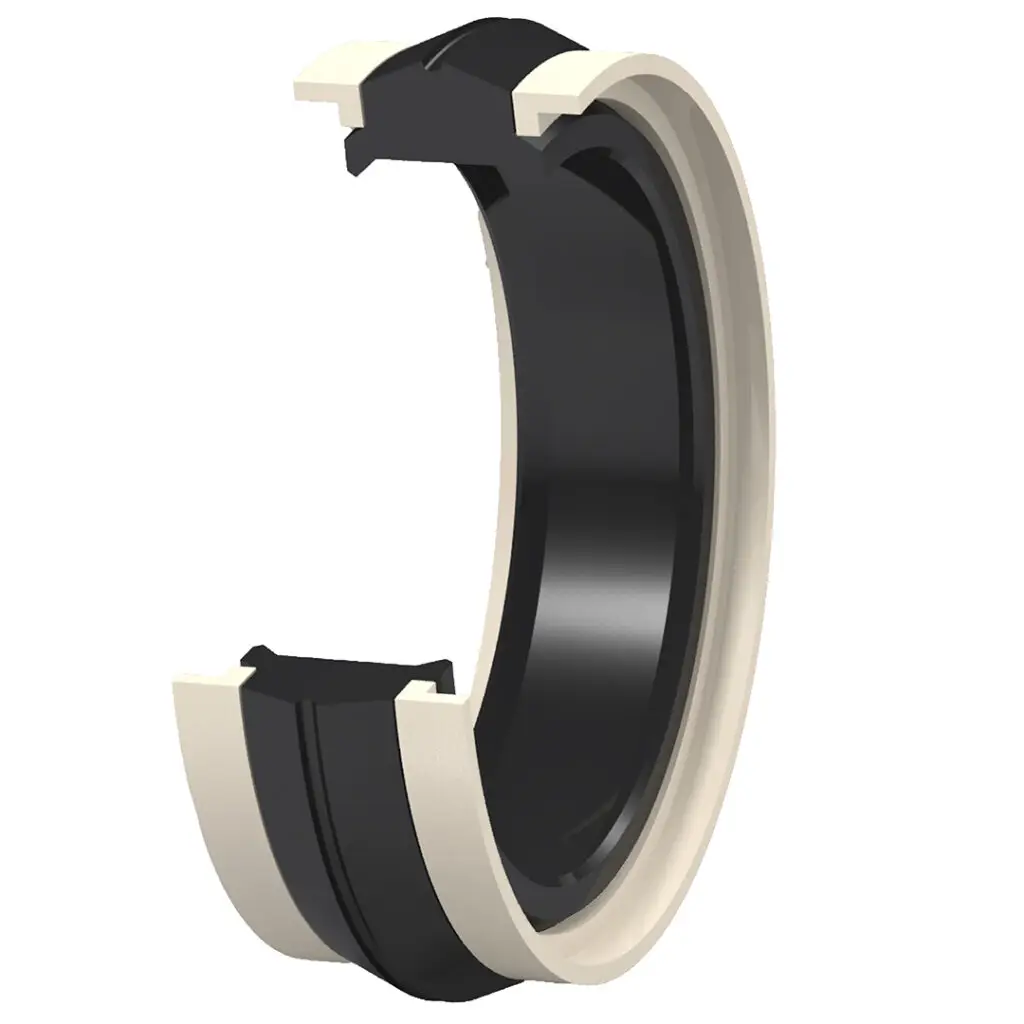
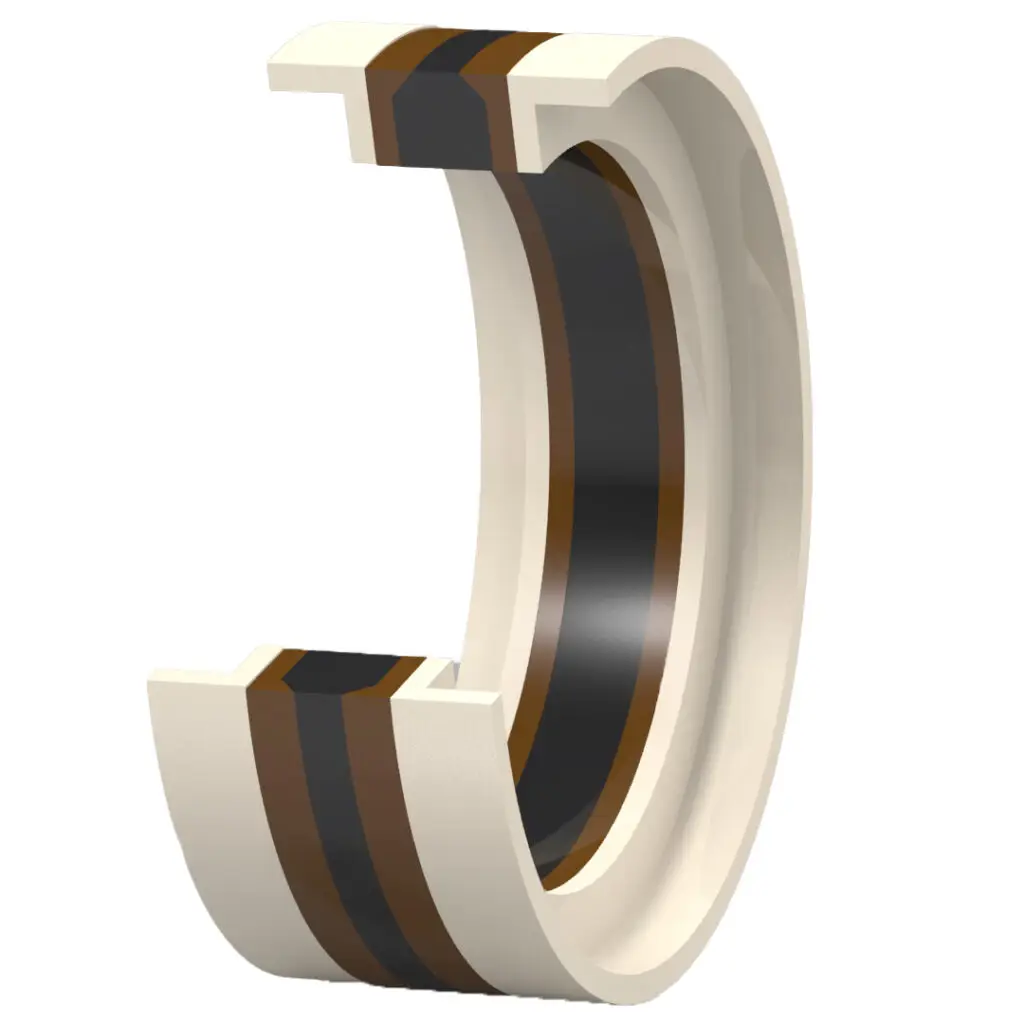
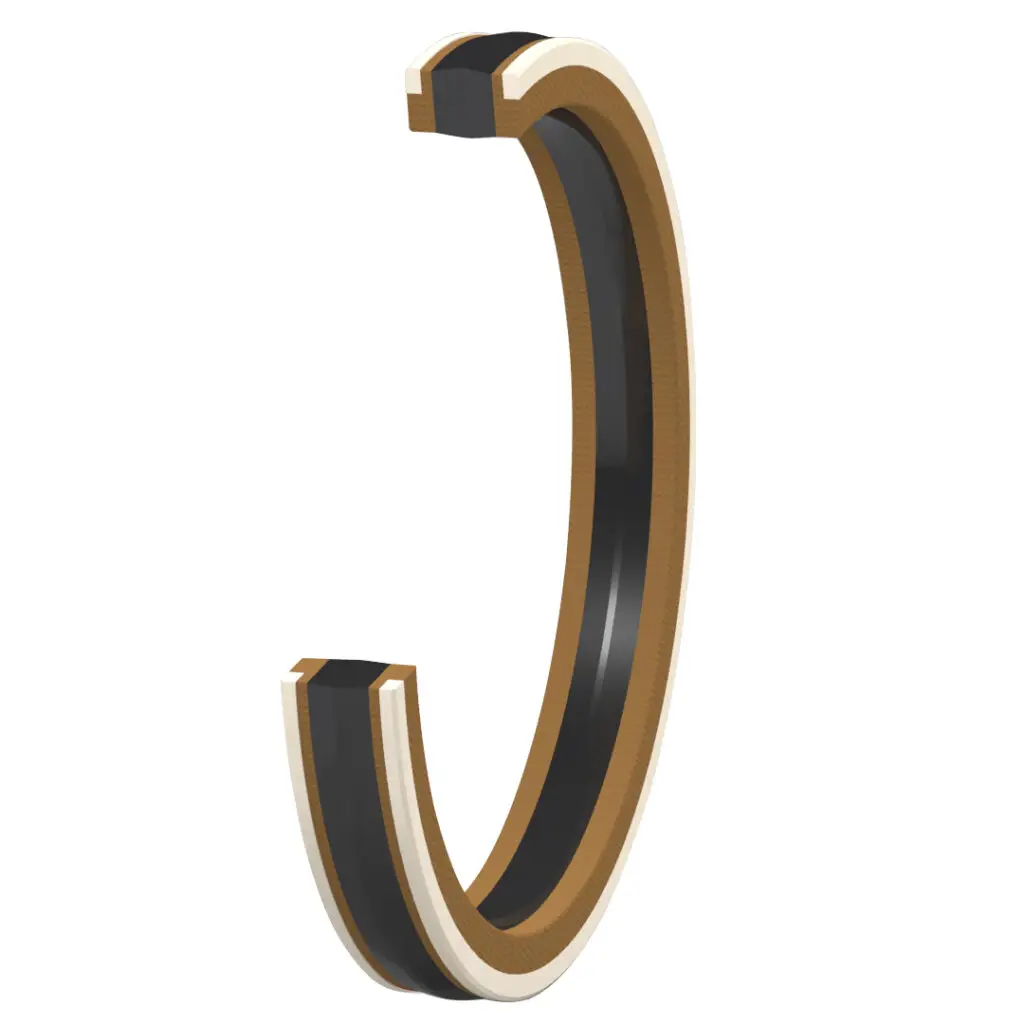
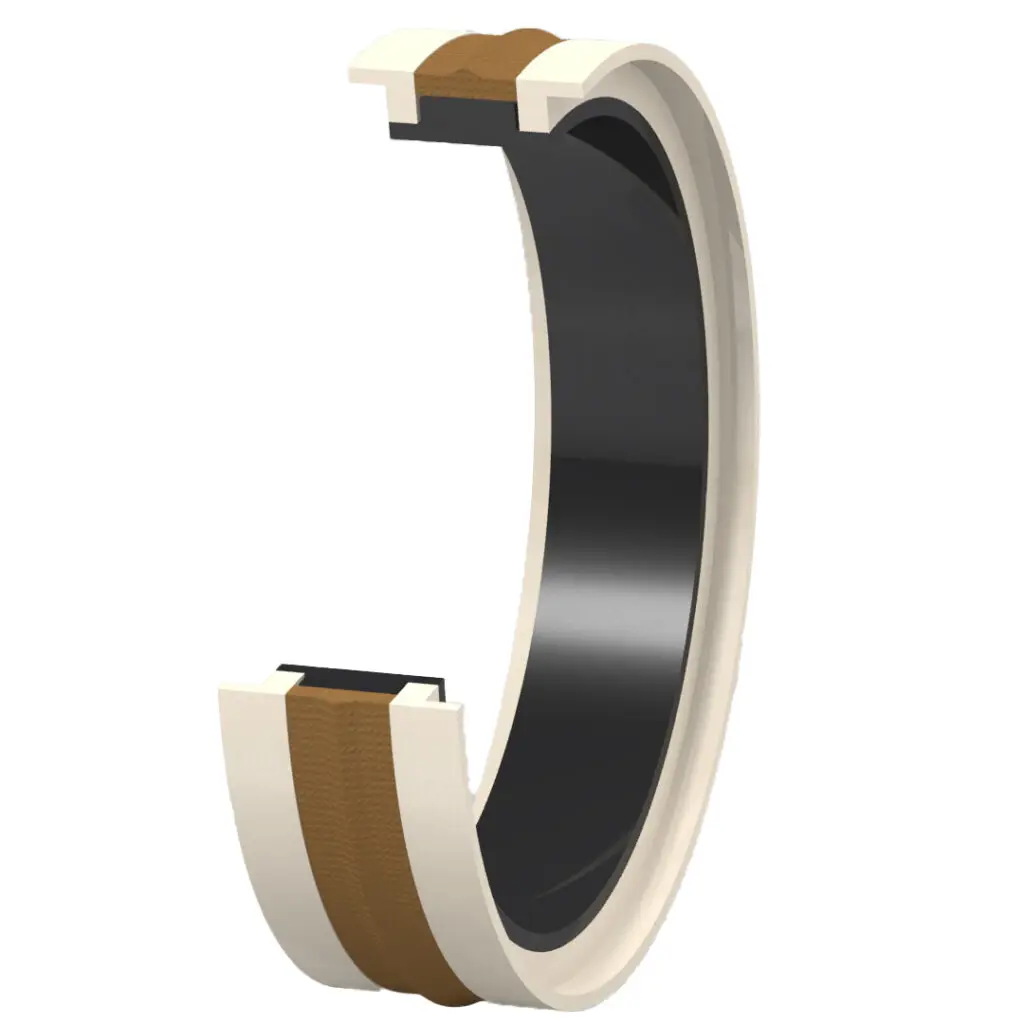
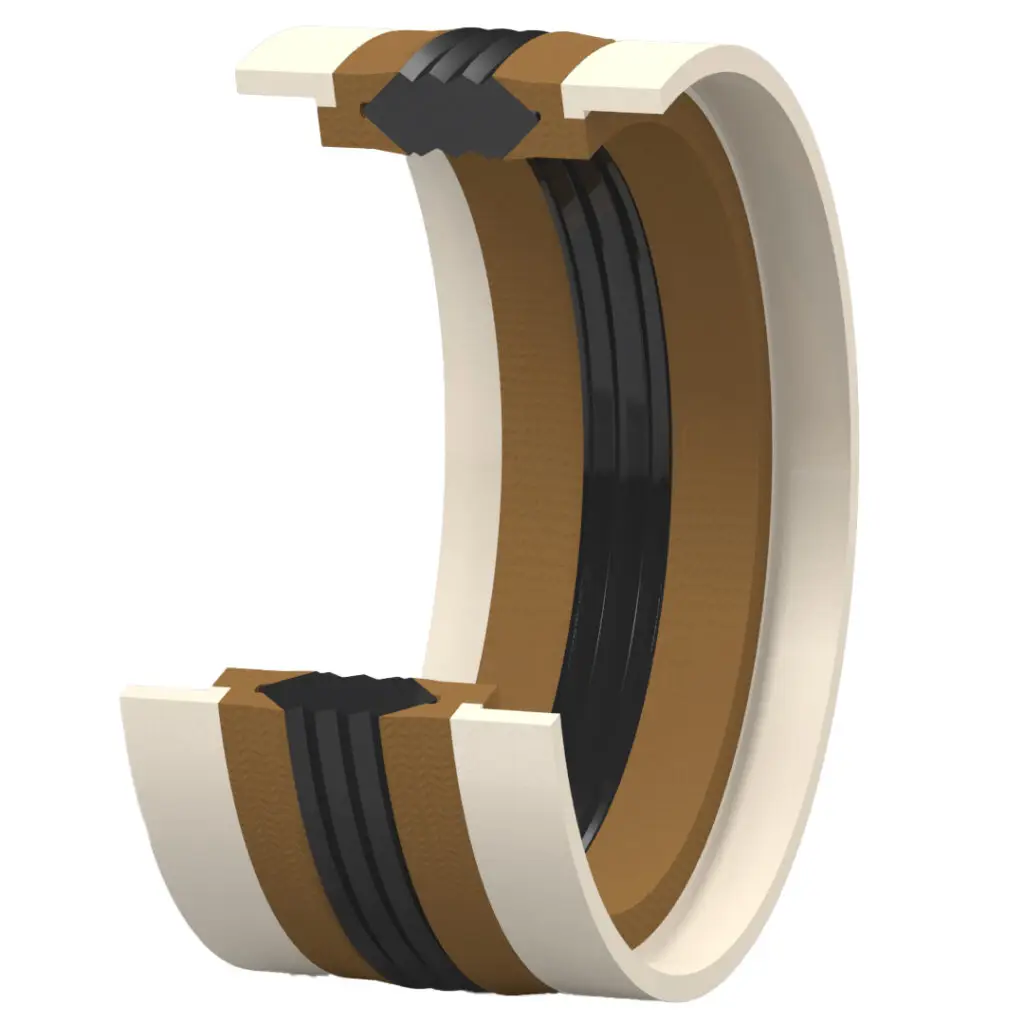
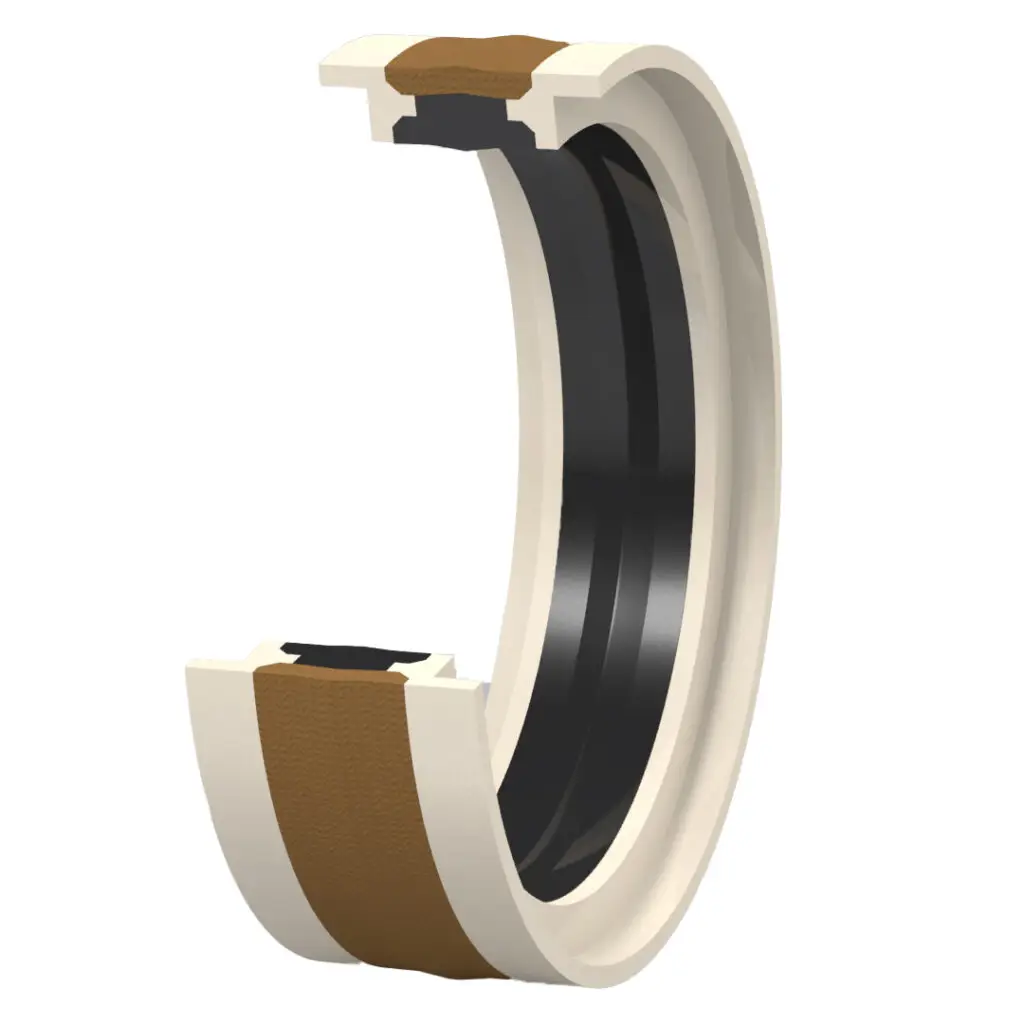
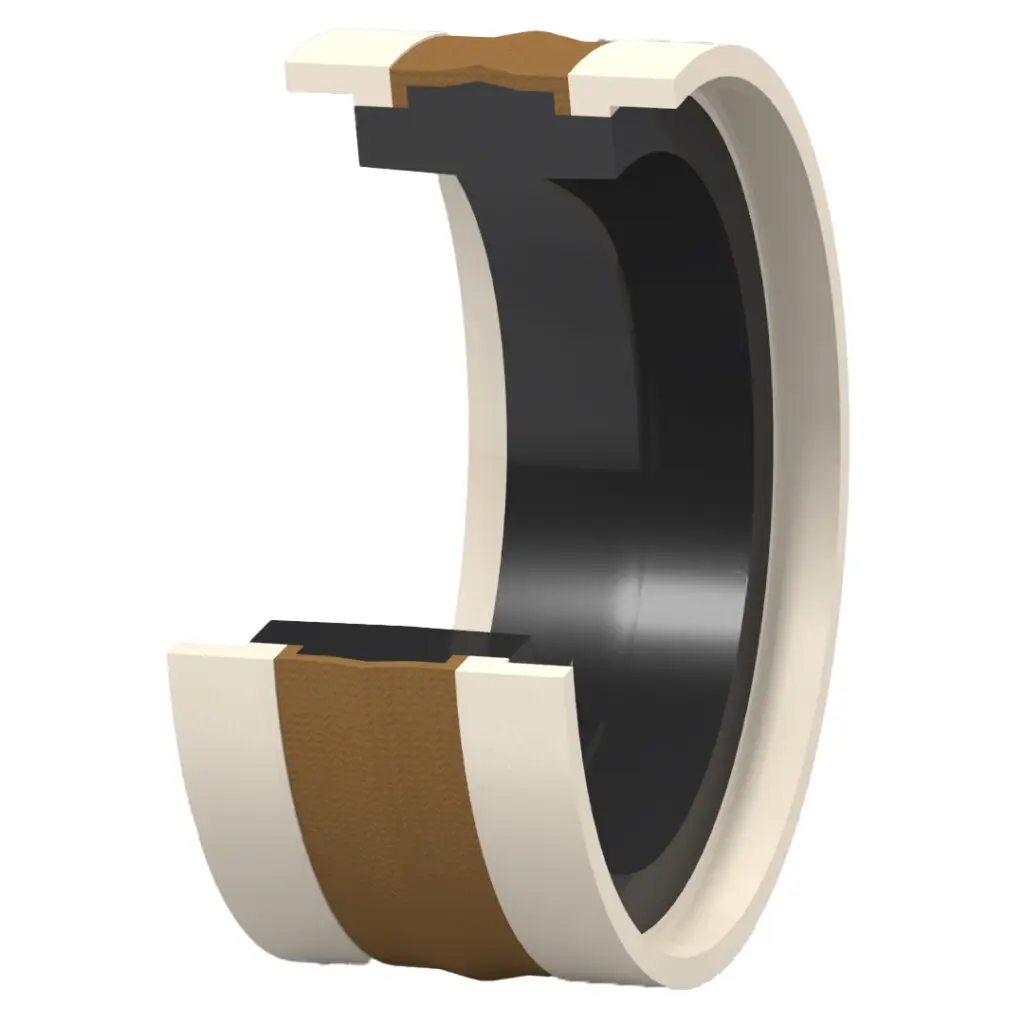
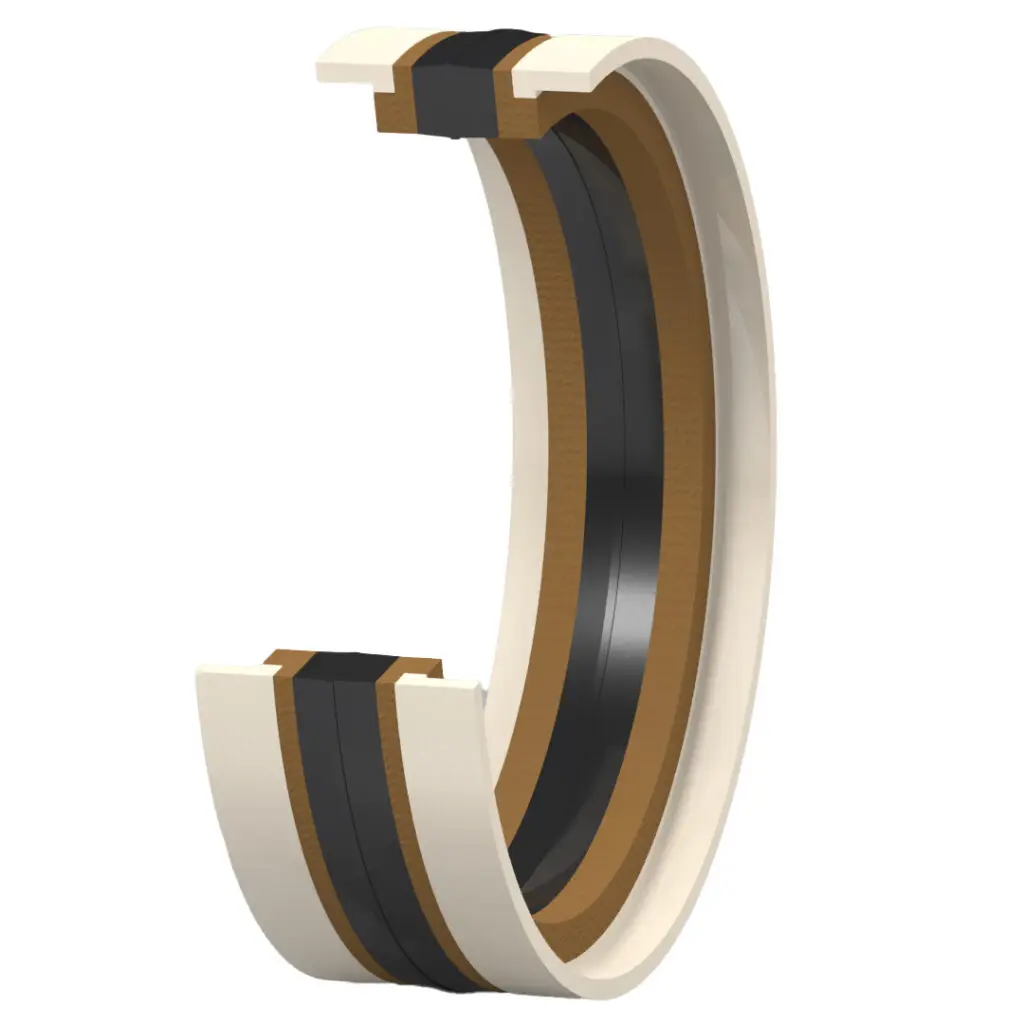
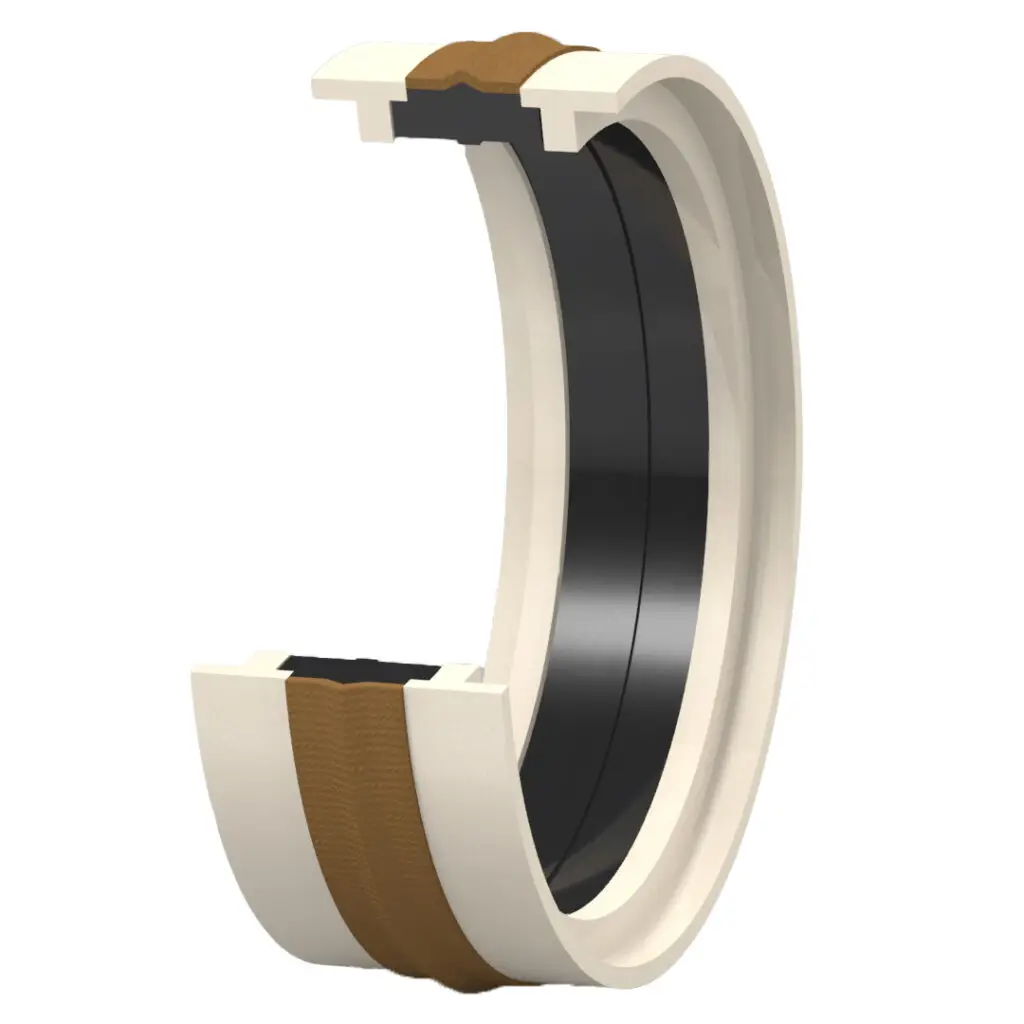
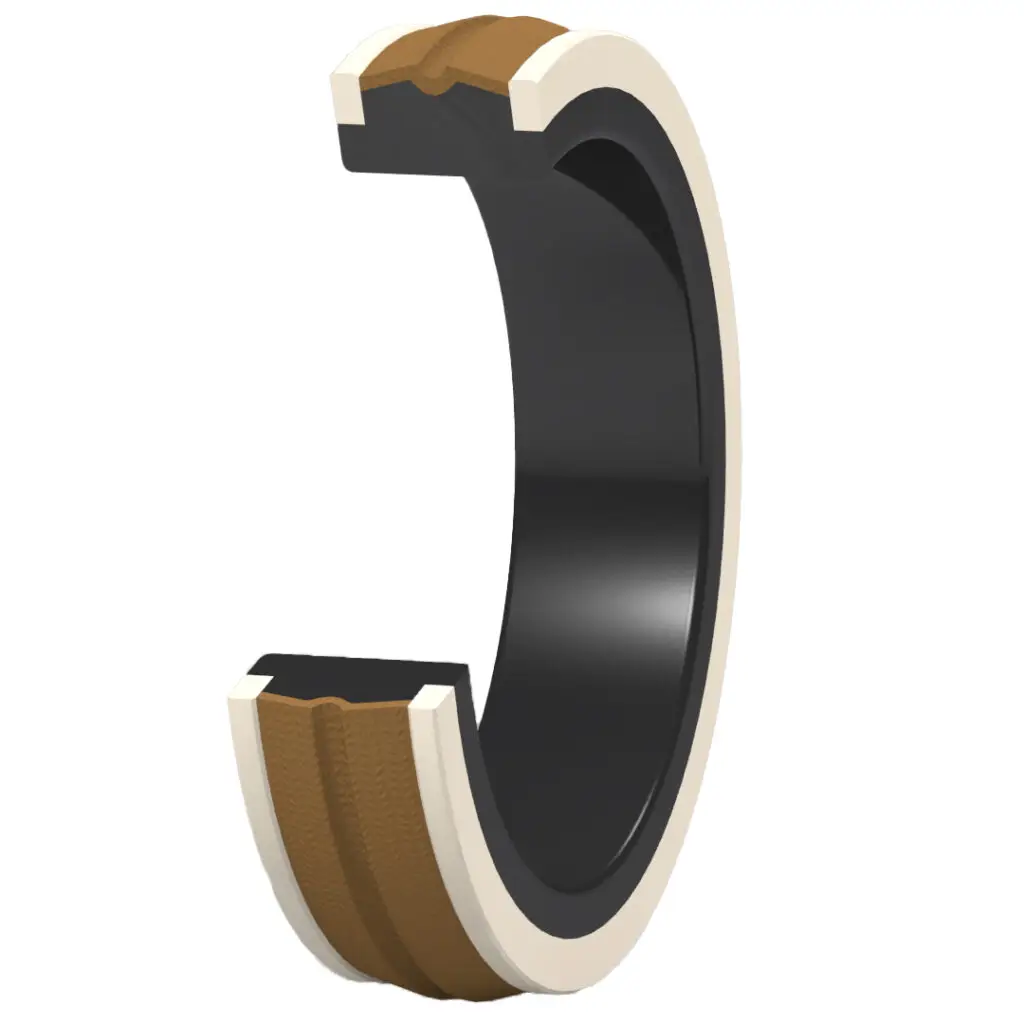
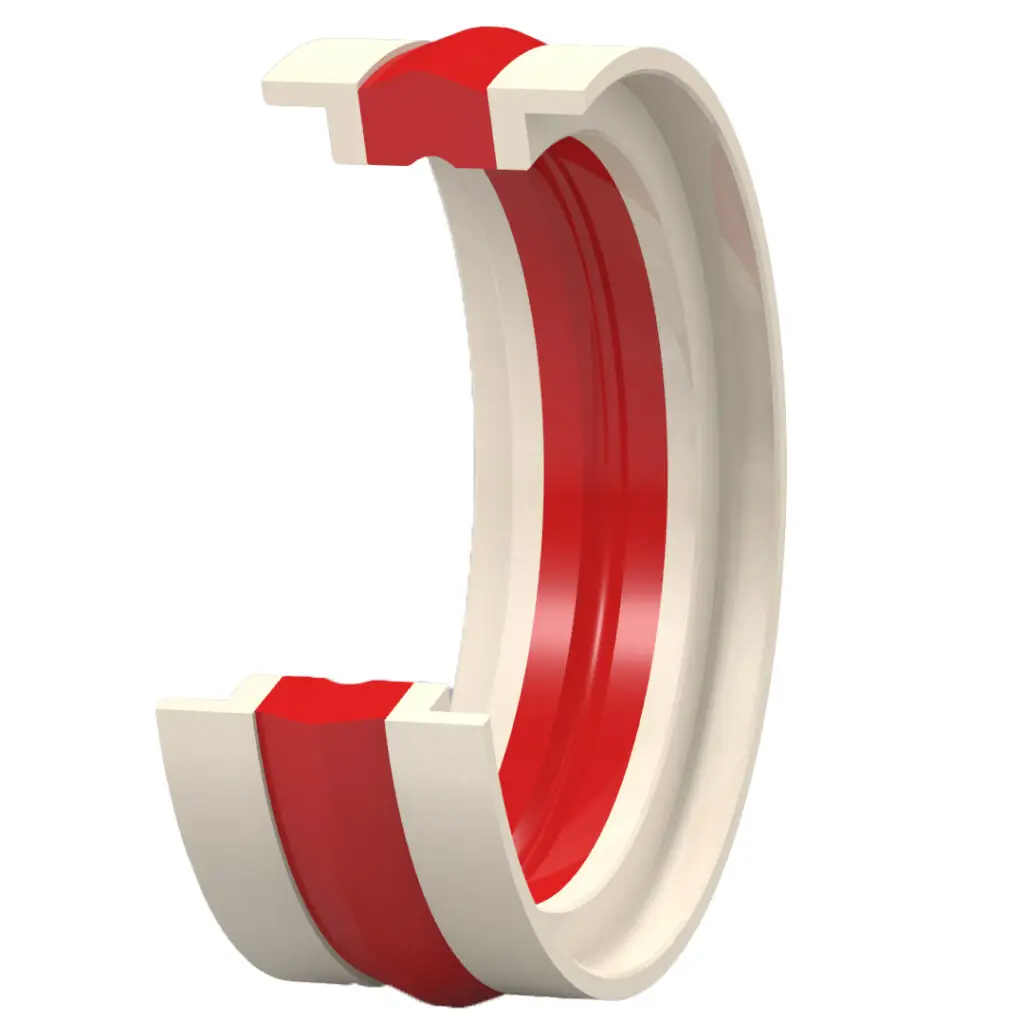
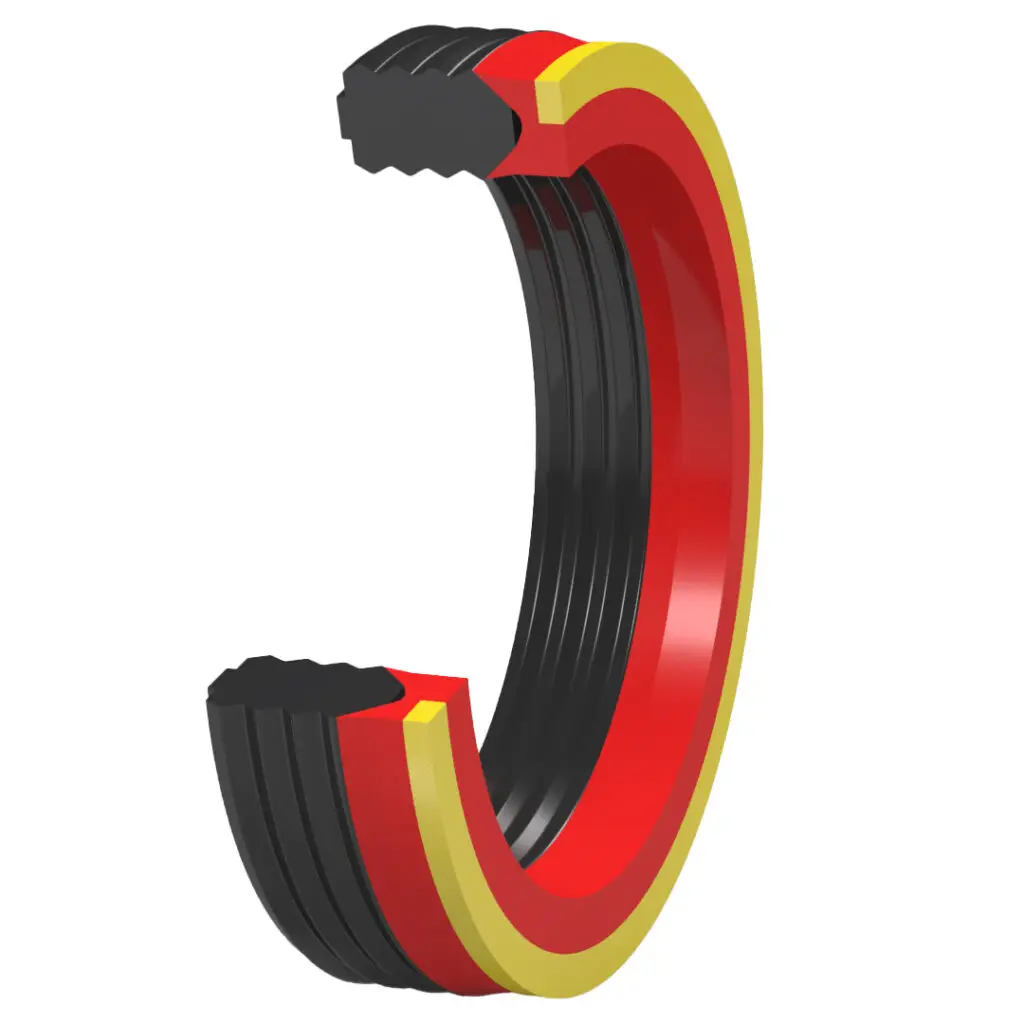
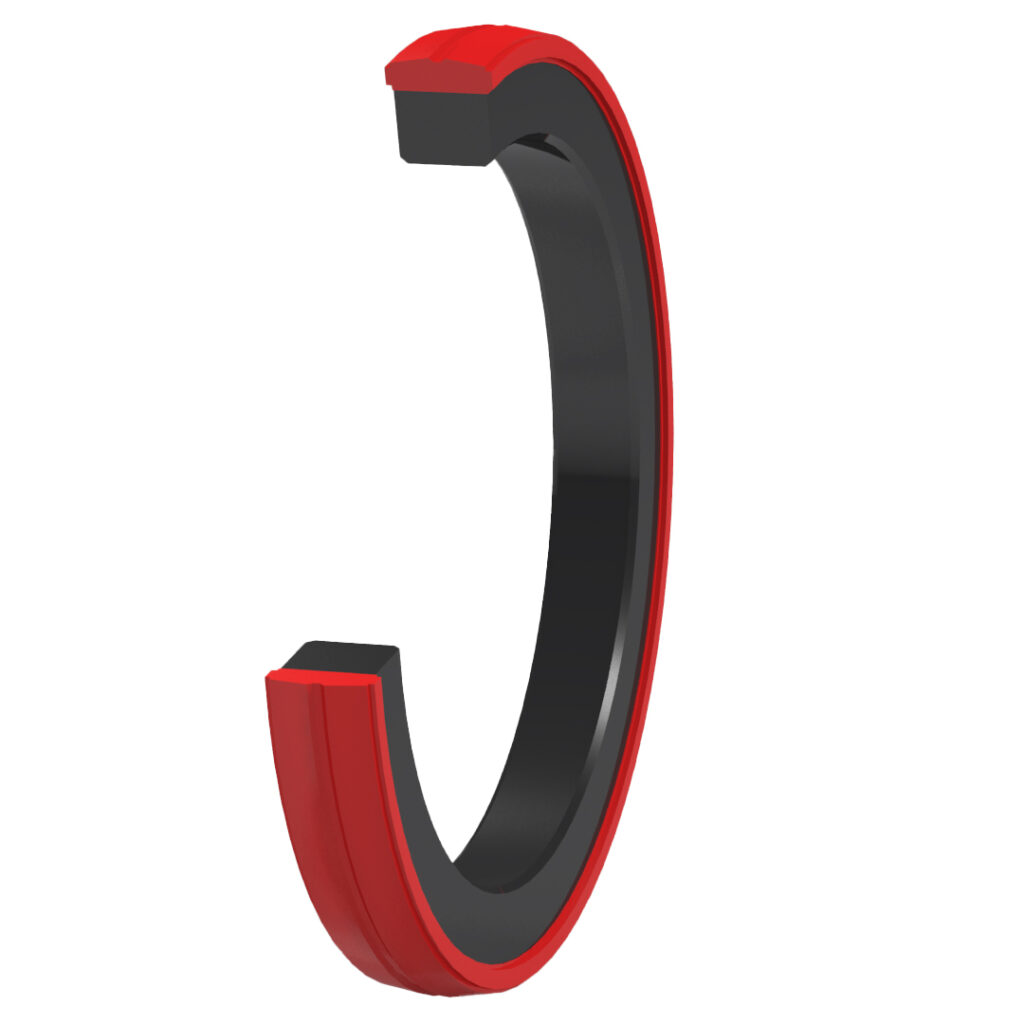
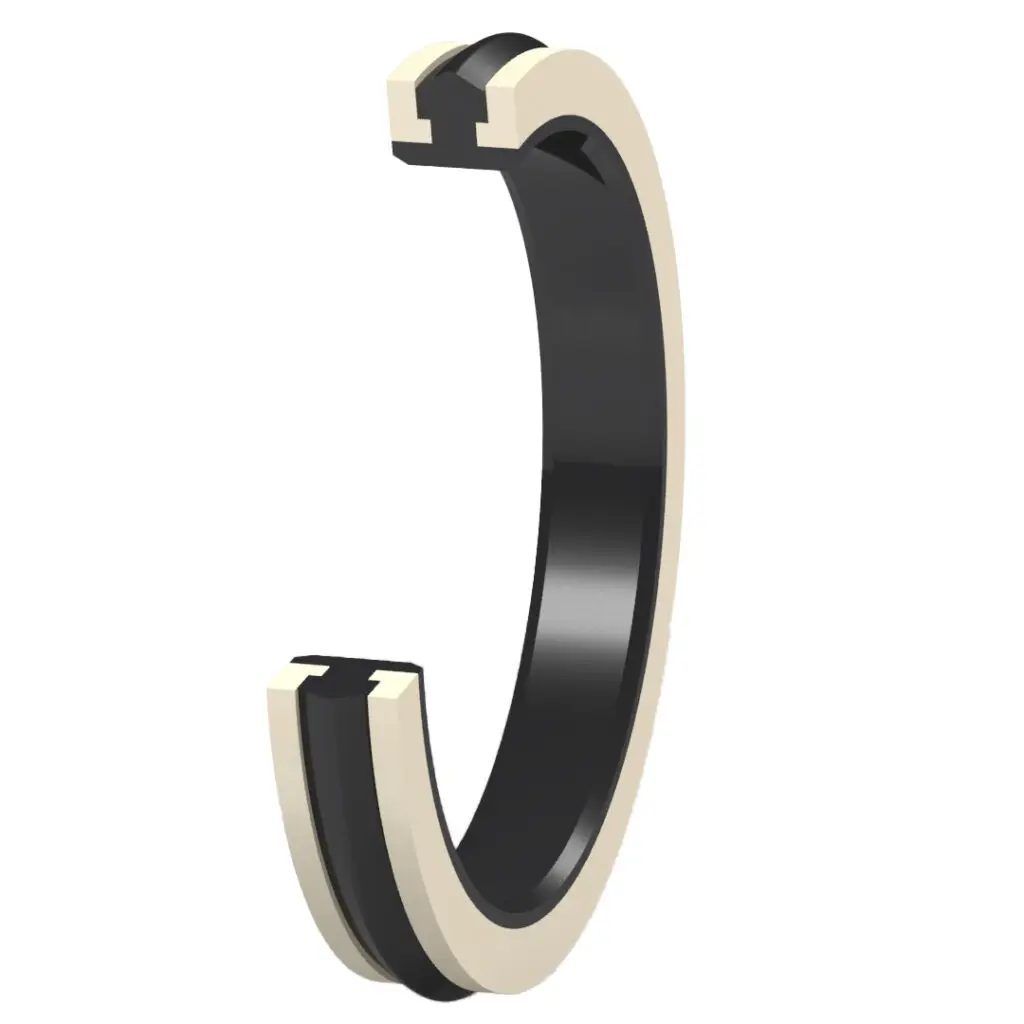
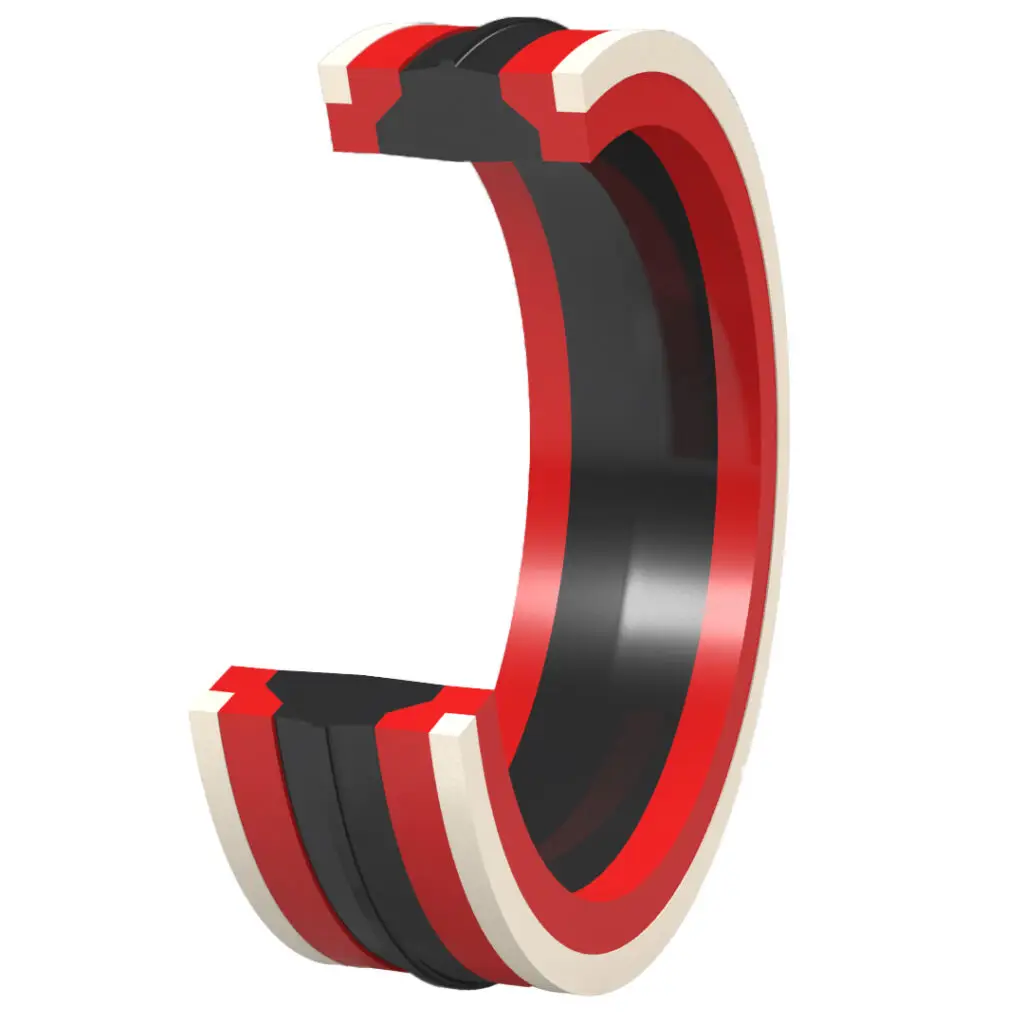
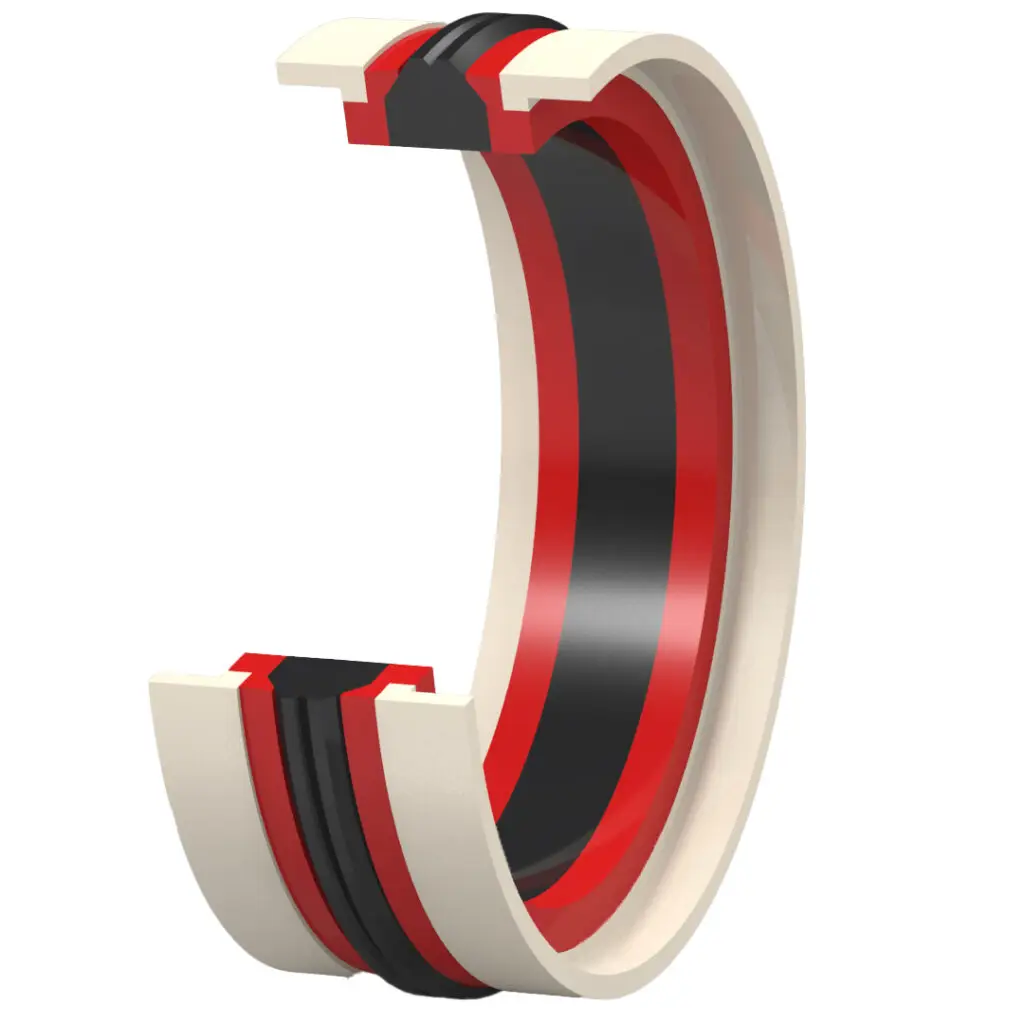
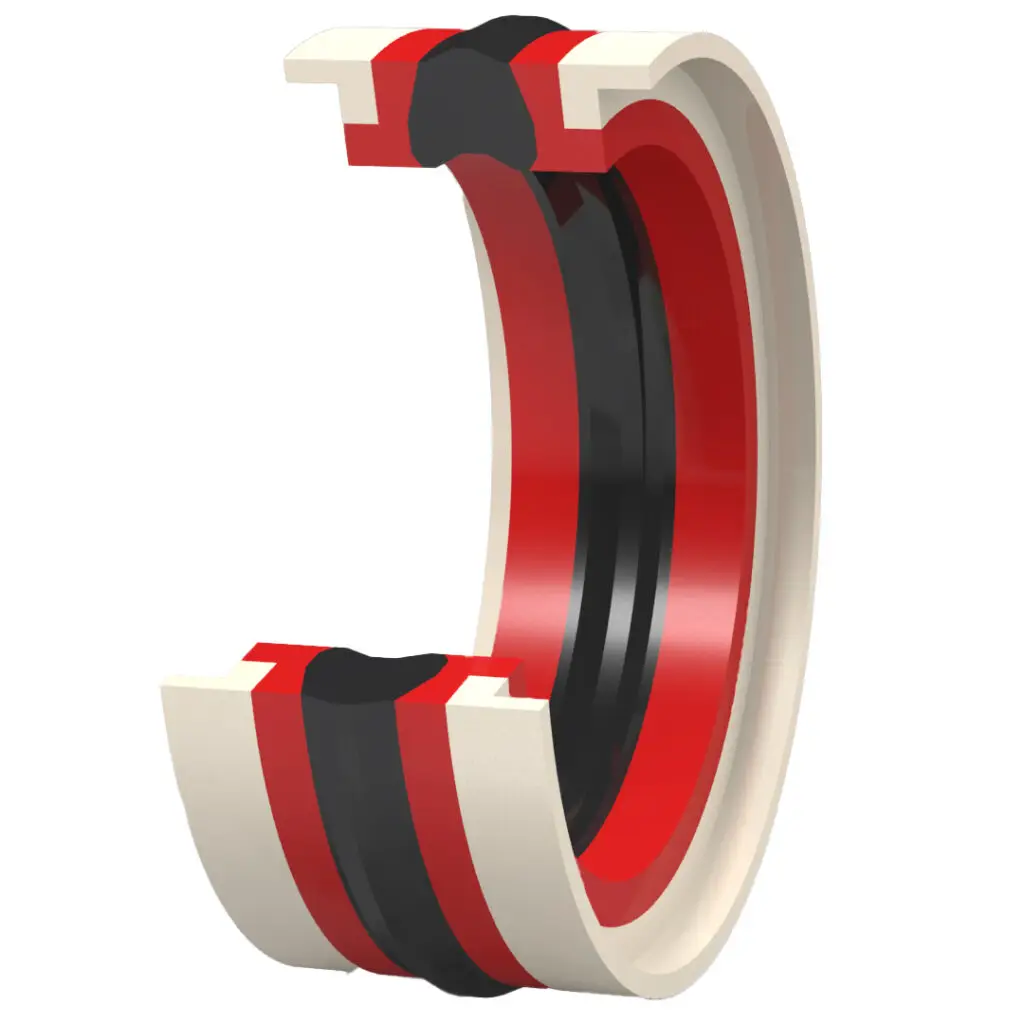
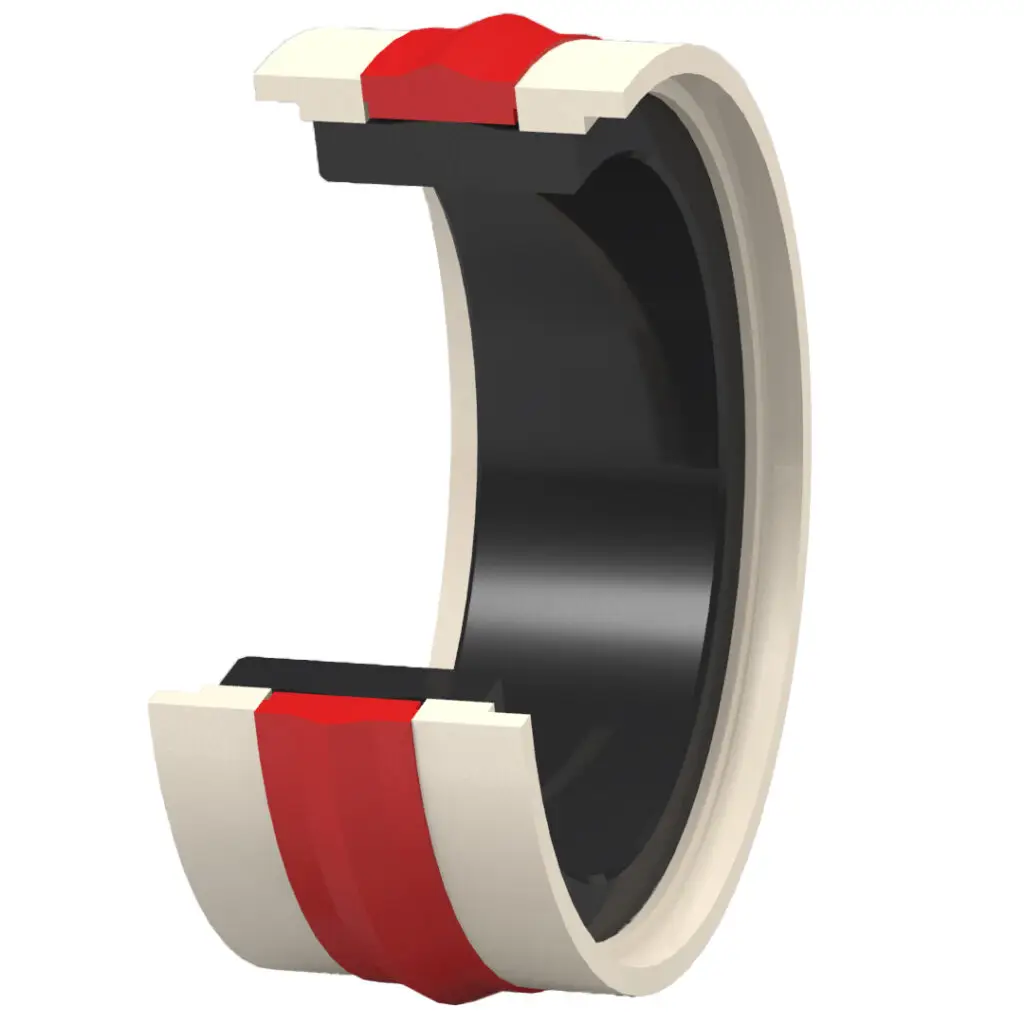
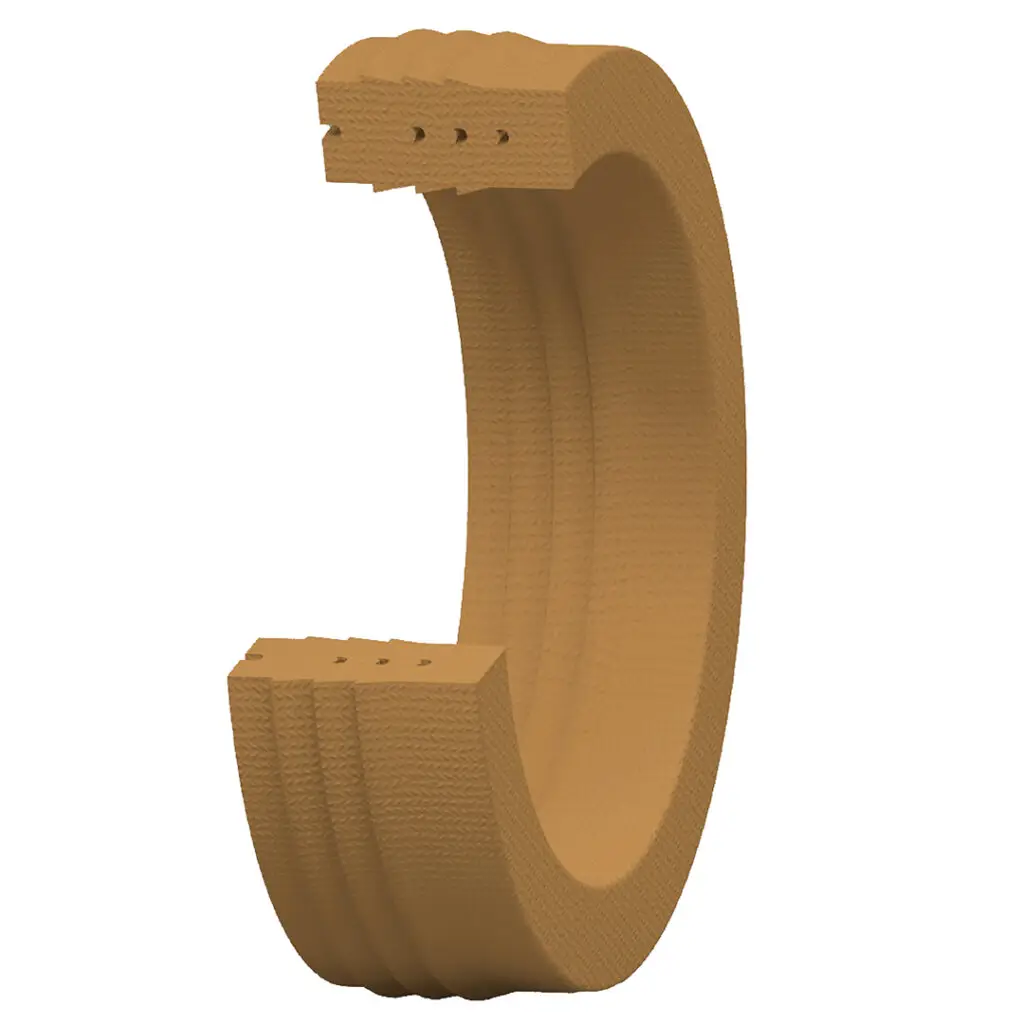
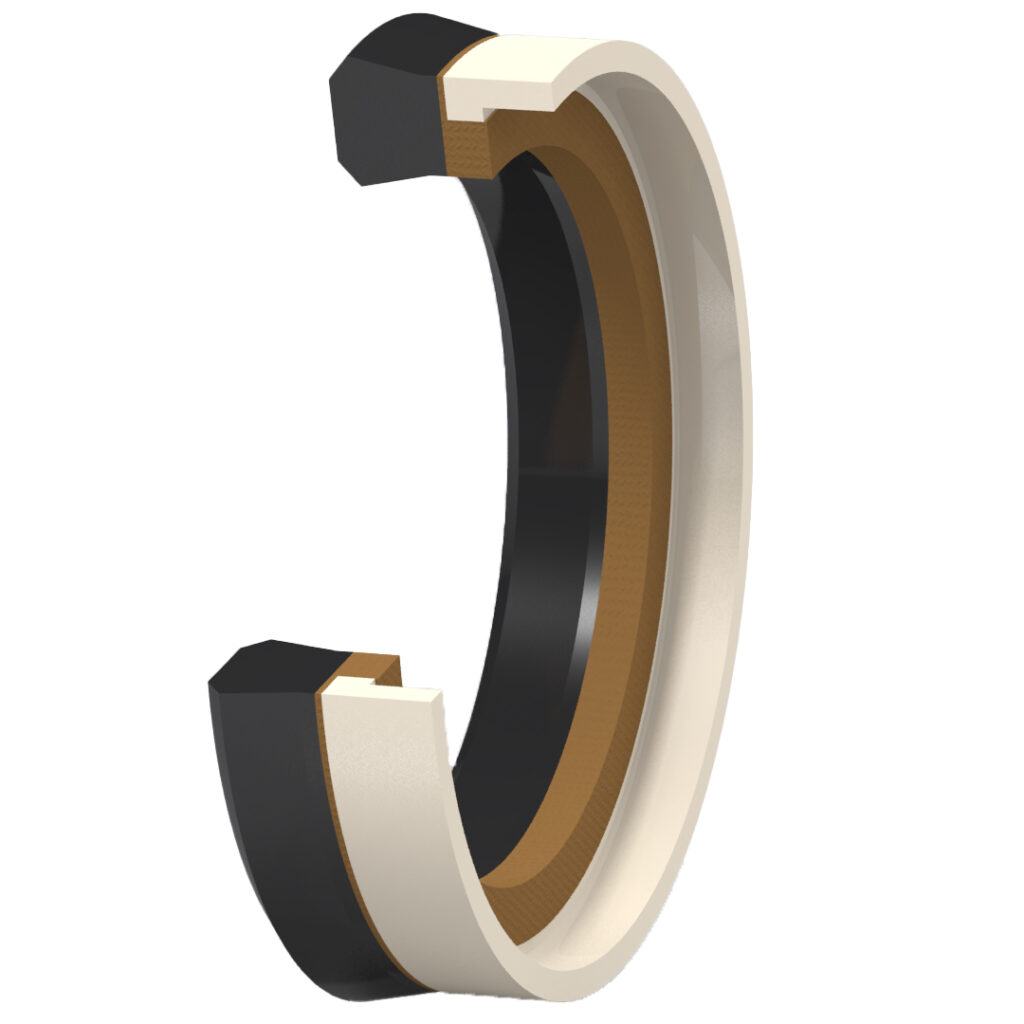
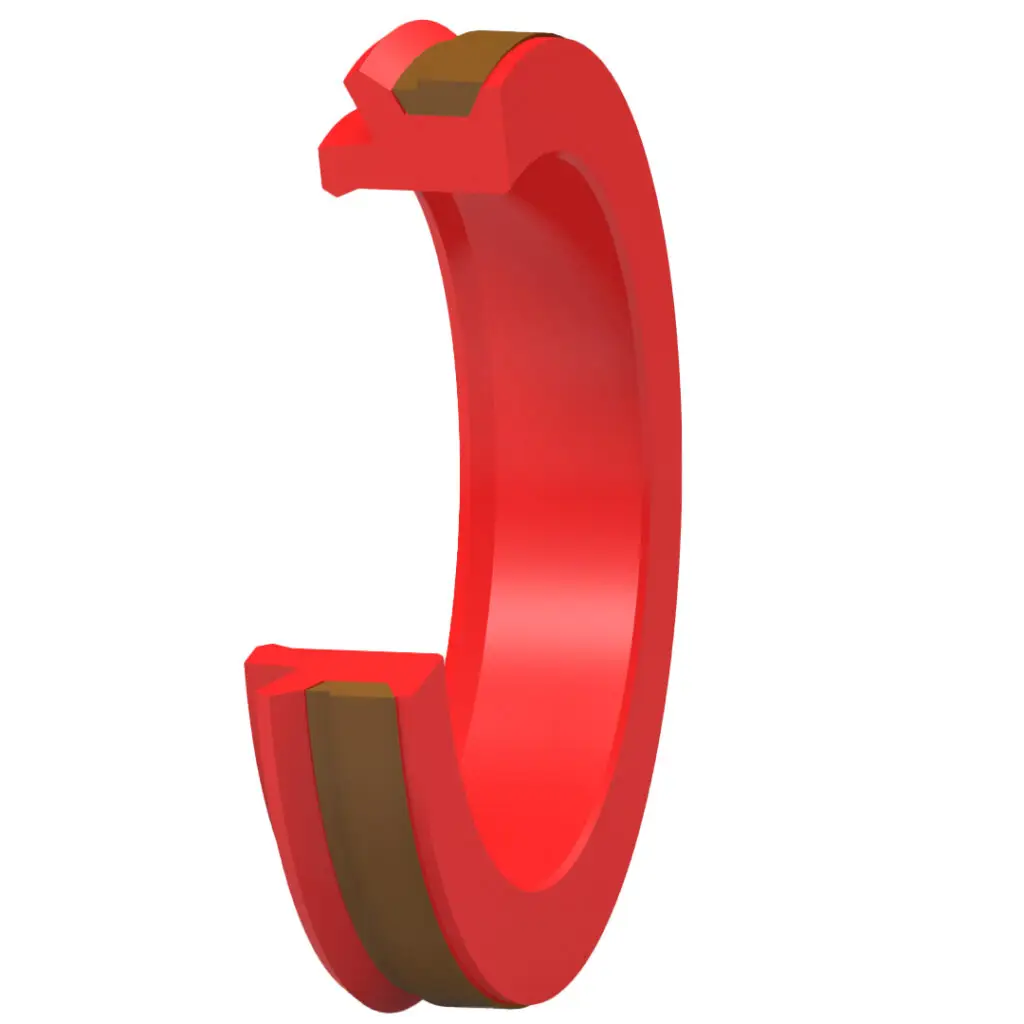
Piston seals are hydraulic sealing elements used in the piston of a cylinder. They separate the pressure chambers from each other and ensure that hydraulic force is converted into motion in a controlled manner.
Different profiles are used depending on the cylinder design. The key factor is whether the sealing system is designed as single-acting or double-acting. Operating pressure, temperature, medium, movement speed and installation space also influence the selection of the right piston seal.
Piston seals in the hydraulic sealing system
Piston seals rarely work alone. In many cylinders, they are combined with guide elements, wipers and other sealing elements. Guide elements stabilize the piston, while the piston seal seals the pressure chambers.
Only the interaction of the individual components ensures reliable function, low friction and a long service life of the hydraulic cylinder.
Functions
- Sealing of the pressure chambers in the hydraulic cylinder
- Ensuring stroke and pulling movements
- Build-up and maintenance of operating pressure
- support for controlled motion sequences
- prevention of internal leakage
- contribution to the mechanical function of the sealing system
Application
- Hydraulic cylinder
- Industrial hydraulics
- mobile hydraulics
- Construction machinery
- agricultural machinery
- presses
- Conveyor technology
- mechanical and plant engineering
- stroke and pulling movements
- single- and double-acting cylinders
Single-acting and double-acting piston seals
The selection of the right piston seal depends heavily on the type of cylinder. In single-acting systems, pressure acts in only one direction of movement. In double-acting systems, the piston seal must reliably seal in both directions.
Key distinctions
- single-acting piston seals
- double-acting piston seals
- Sealing systems with guide rings
- combinations with wipers and other sealing elements
- profiles for different pressure and movement requirements
Variants
Piston seal profile KD90
Piston seal profile KD89
Piston seal profile KD86
Piston seal profile KD85
Piston seal profile KD84
Piston seal profile KD80
Piston seal profile KD79
Piston seal profile KD78
Piston seal profile KD74
Piston seal profile KD73
Piston seal profile KD72
Piston seal profile KD71
Piston seal profile KD69
Piston seal profile KD68
Piston seal profile KD67
Piston seal profile KD66
Piston seal profile KD65
Piston seal profile KD64
Piston seal profile KD61
Piston seal profile KD59
Piston seal profile KD58
Piston seal profile KD57
Piston seal profile KD55
Piston seal profile KD54
Piston seal profile KD53
Piston seal profile KD44
Piston seal profile KD43
Piston seal profile KD39
Piston seal profile KD37
Piston seal profile KD34
Your FAQs answered
Frequently asked questions:
Hydraulic piston seals seal the piston in the cylinder and ensure that pressure is maintained in the system. They enable controlled movement and prevent internal leakage.
Yes, damaged or worn seals lead to pressure loss and inefficient operation. This can significantly reduce performance and lead to further damage.
There are various designs such as single or double seals as well as different profile shapes. The selection depends on pressure, speed and operating conditions.
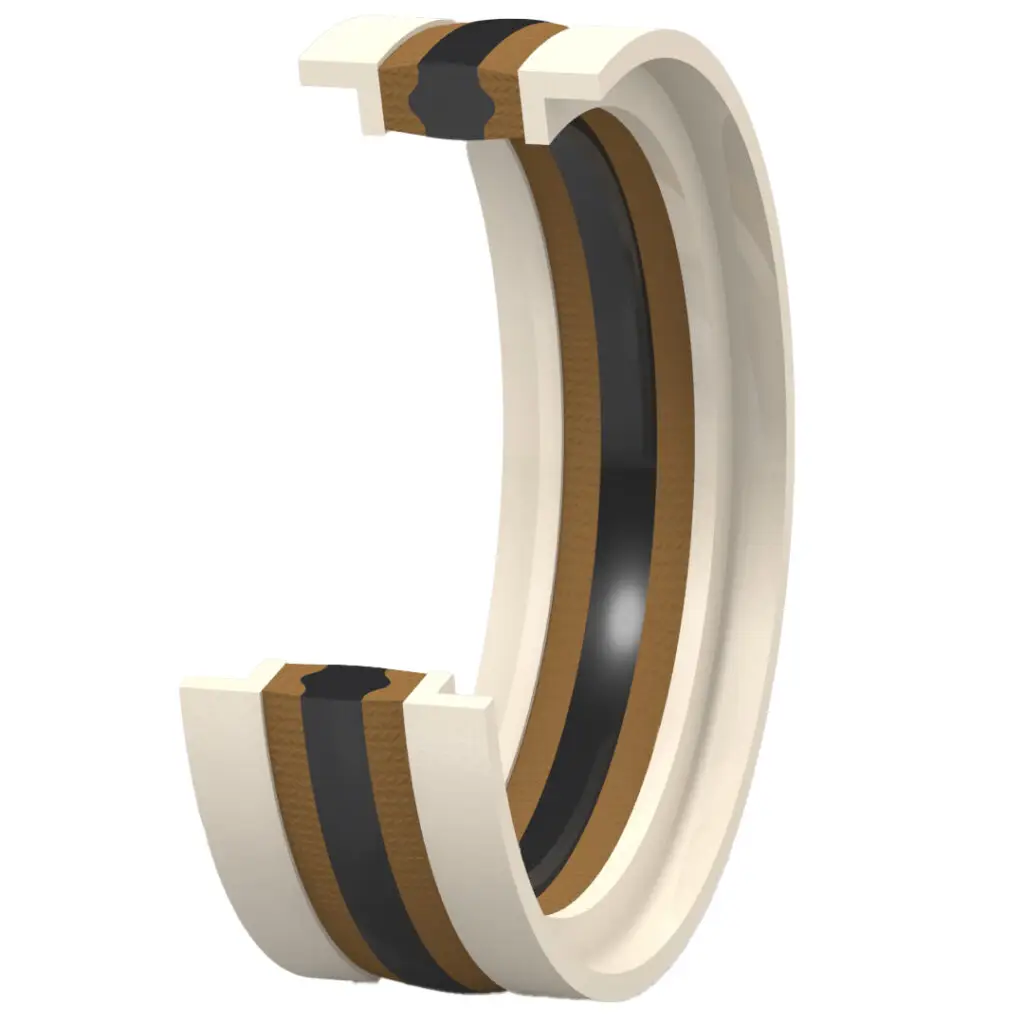
Decisive factors are operating pressure, temperature, medium and type of movement. Appropriate matching of these parameters ensures optimal performance and long service life.
Yes, many piston seals are specifically developed for high pressure loads. However, the exact load capacity depends on the material and design.