Radial Rotary Shaft Seals for Sealing Rotating Shafts
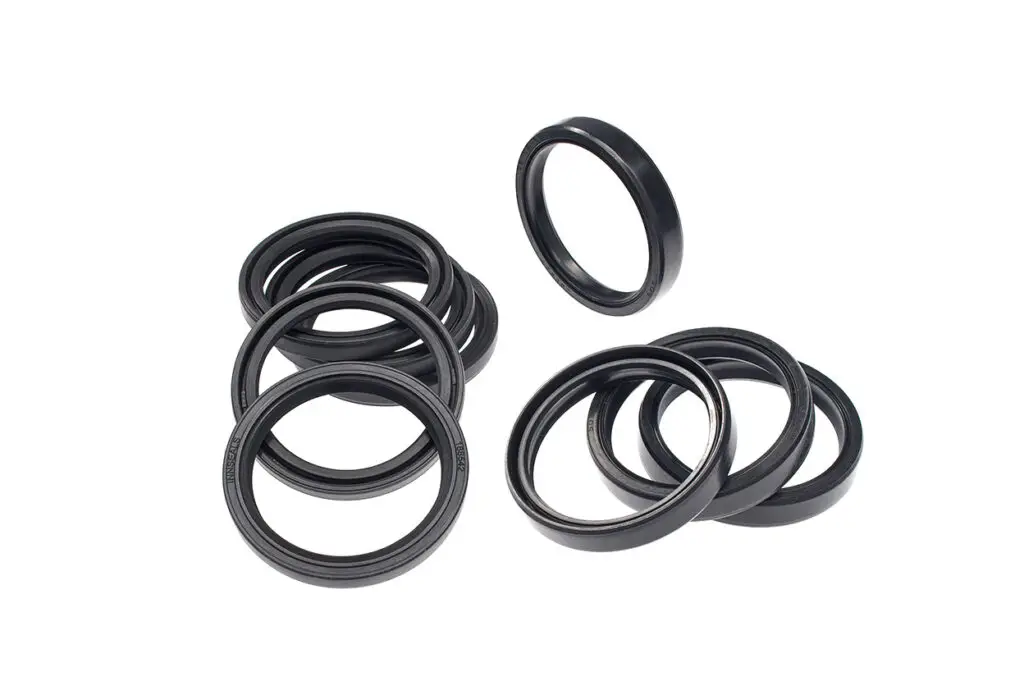
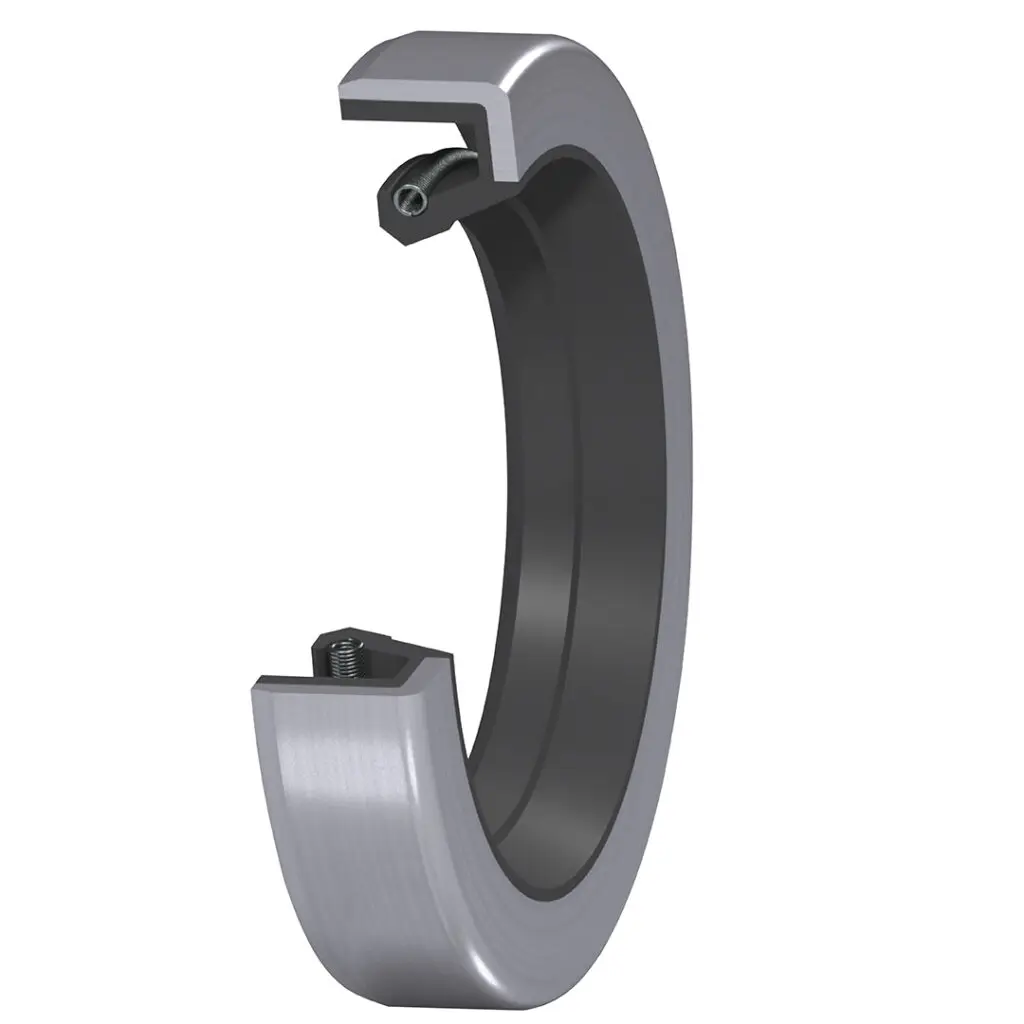
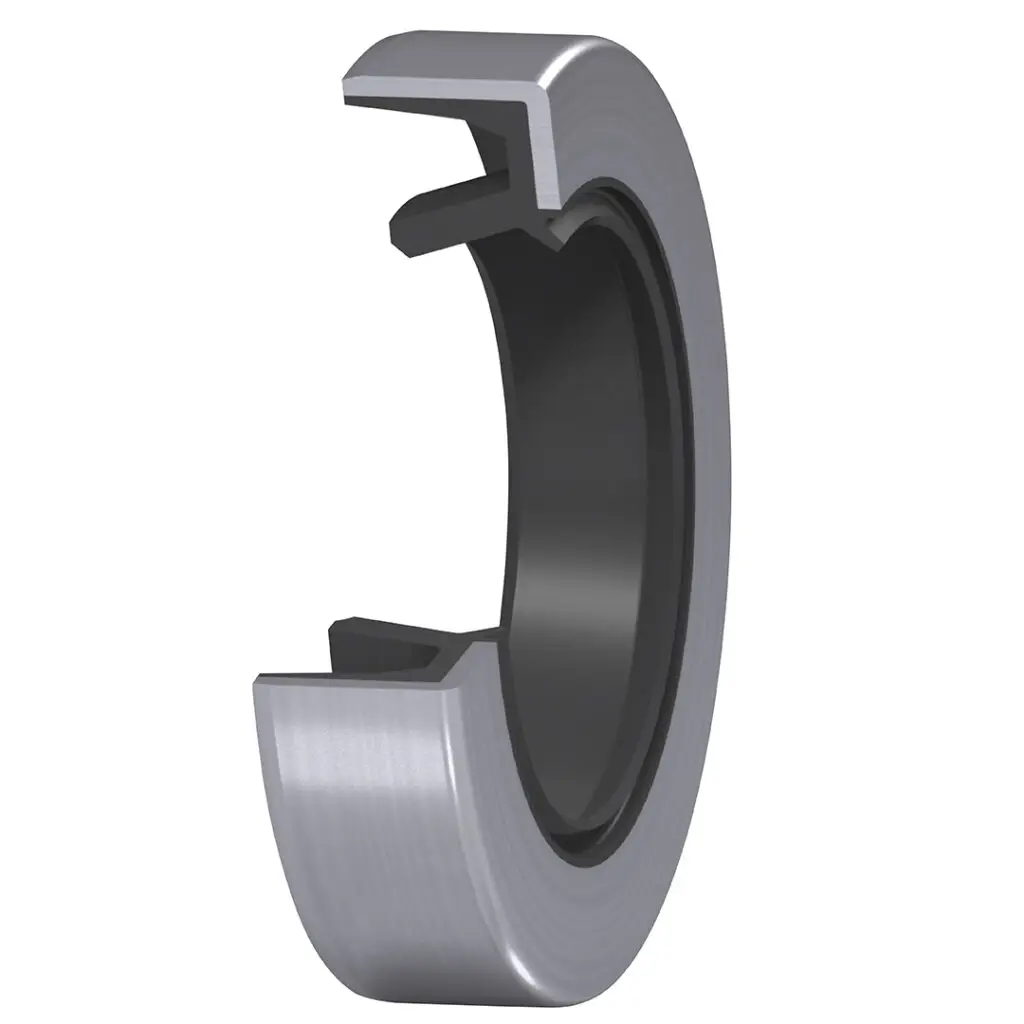
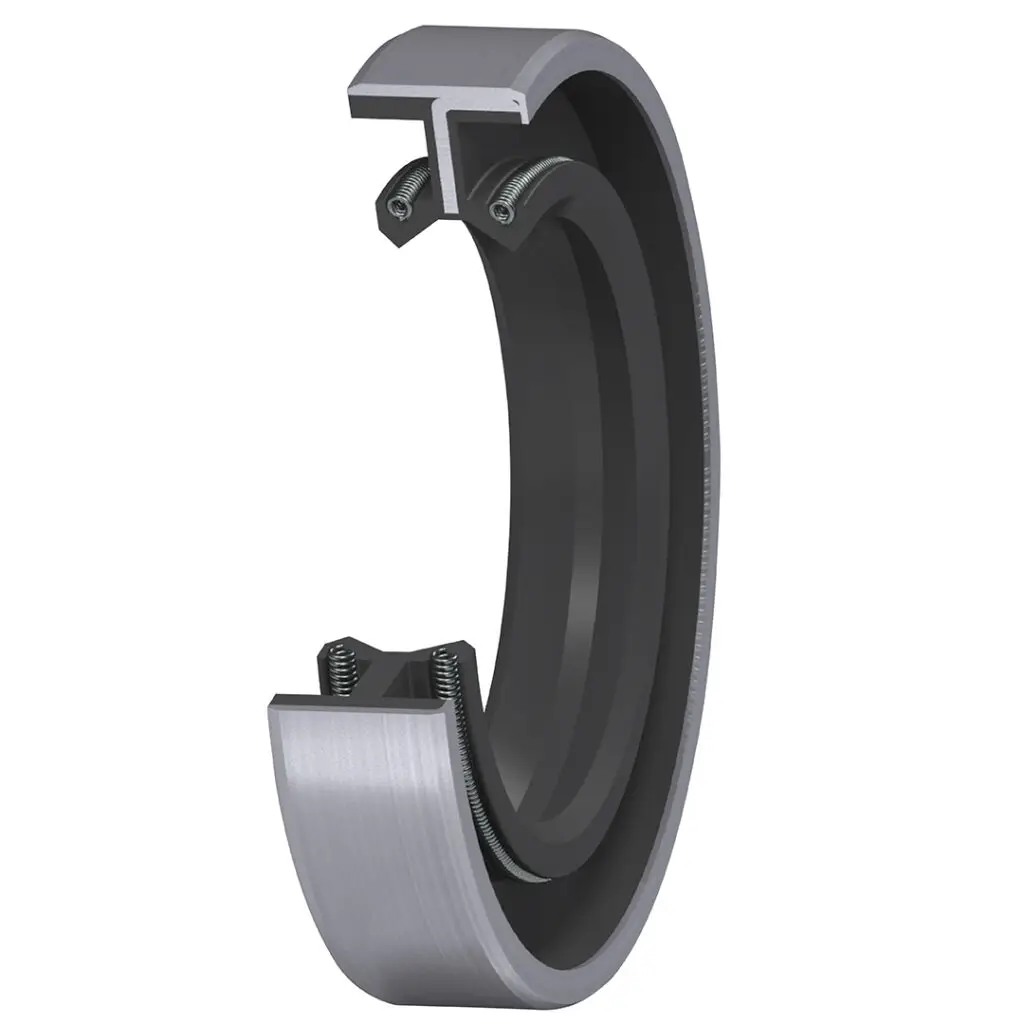
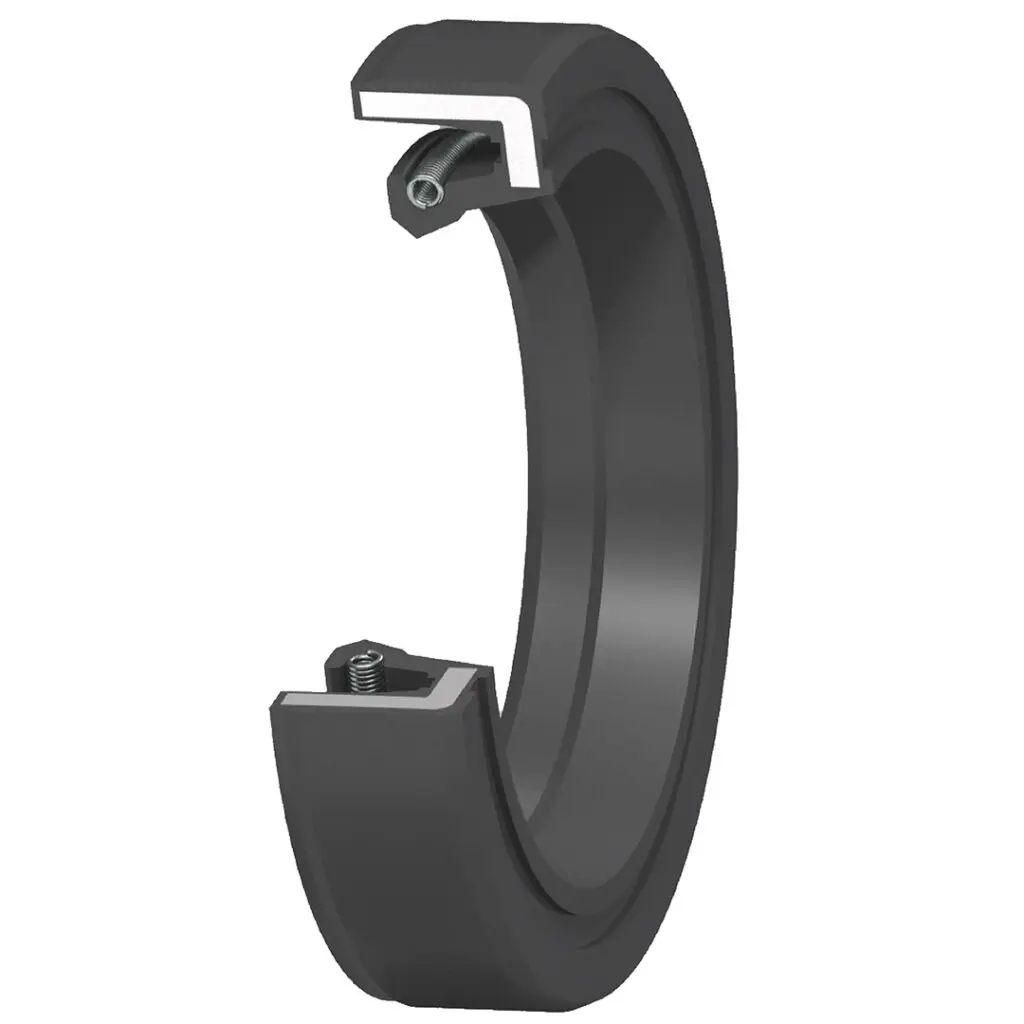
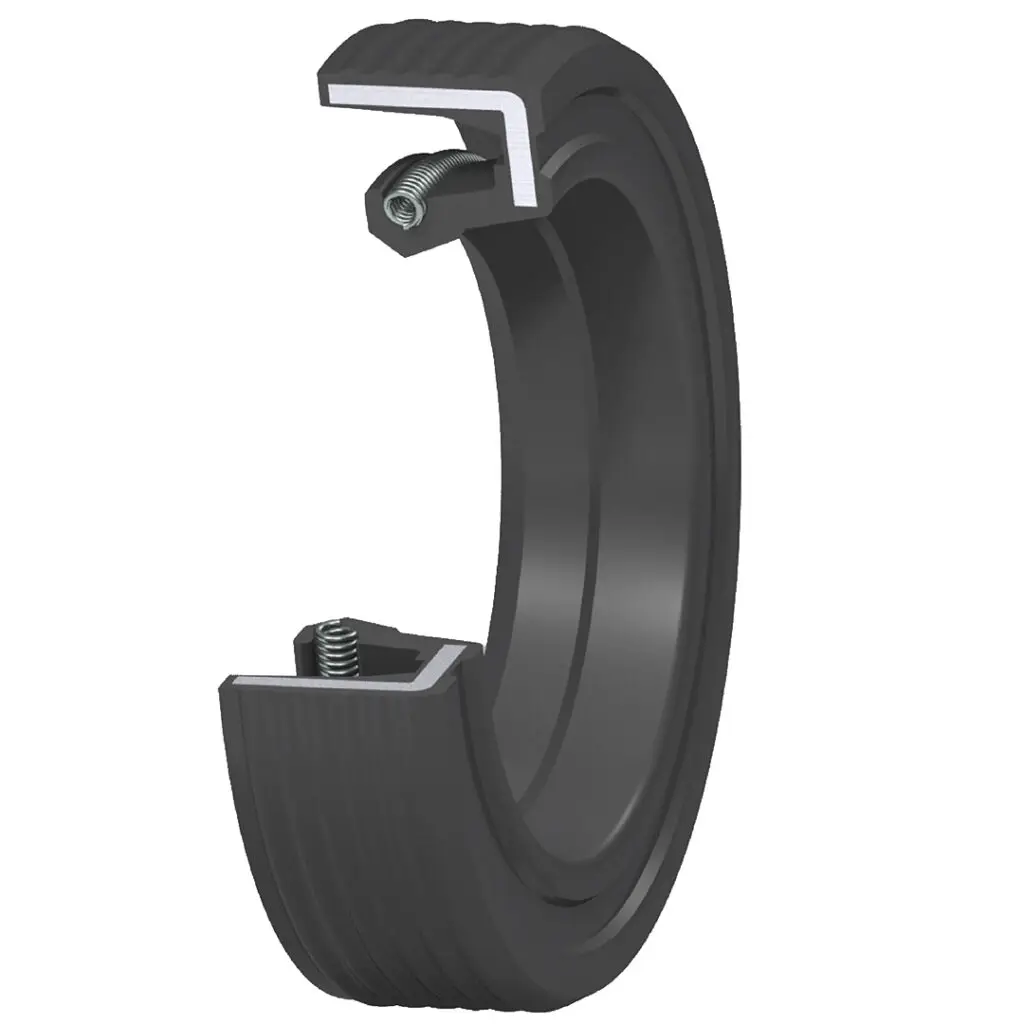
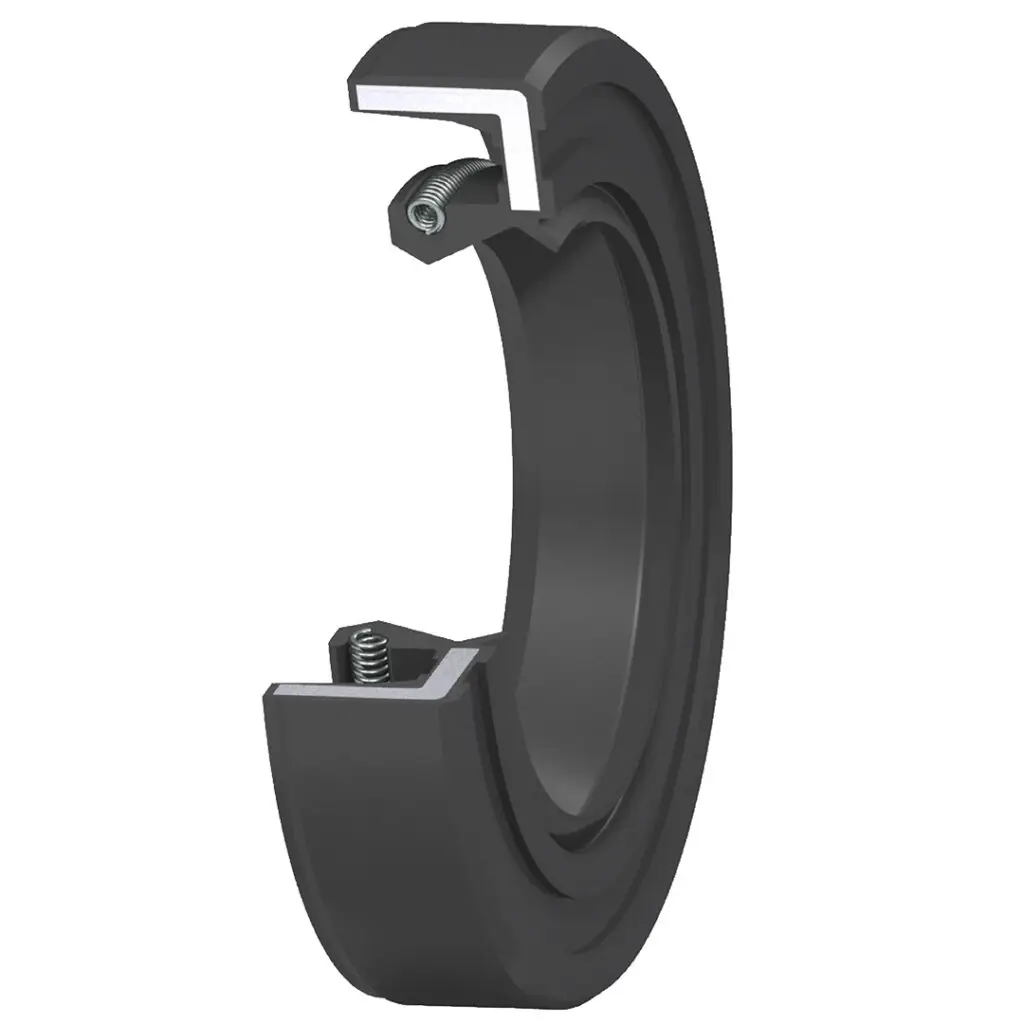
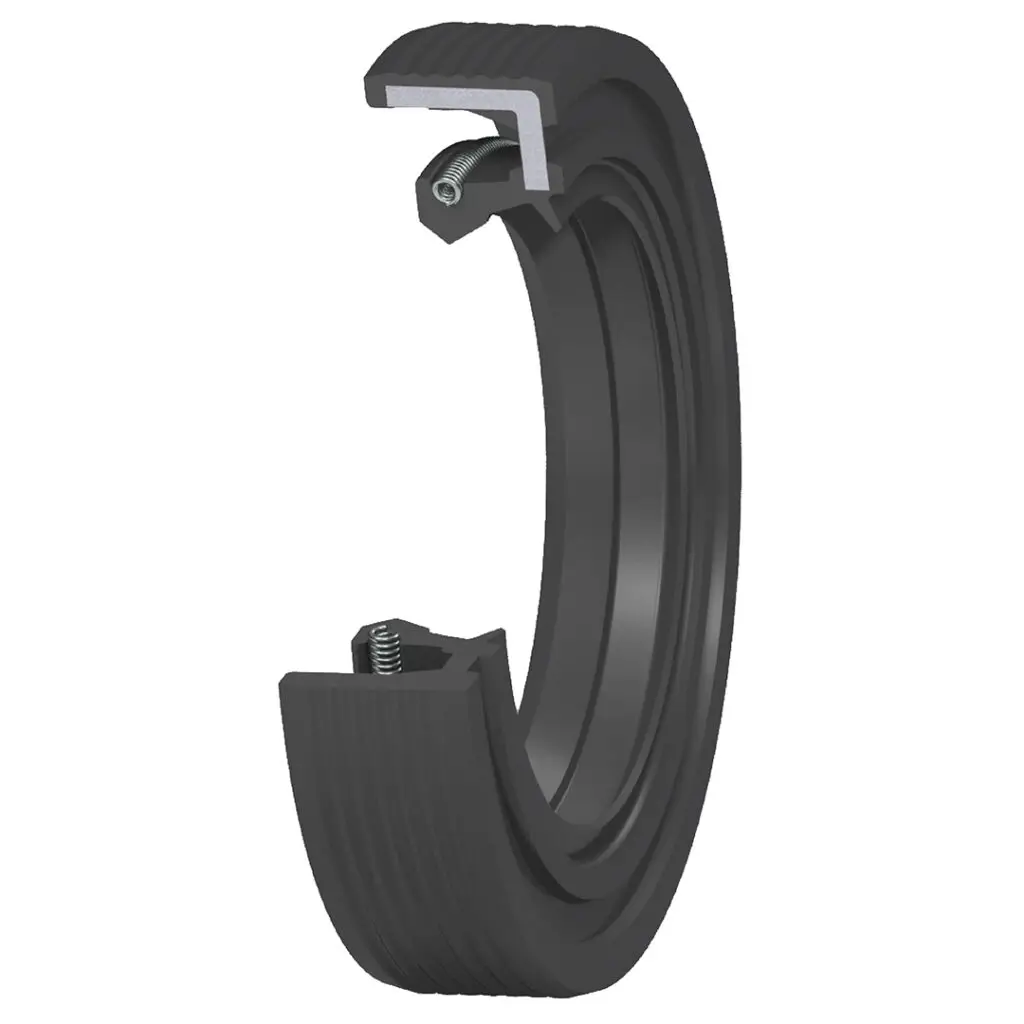
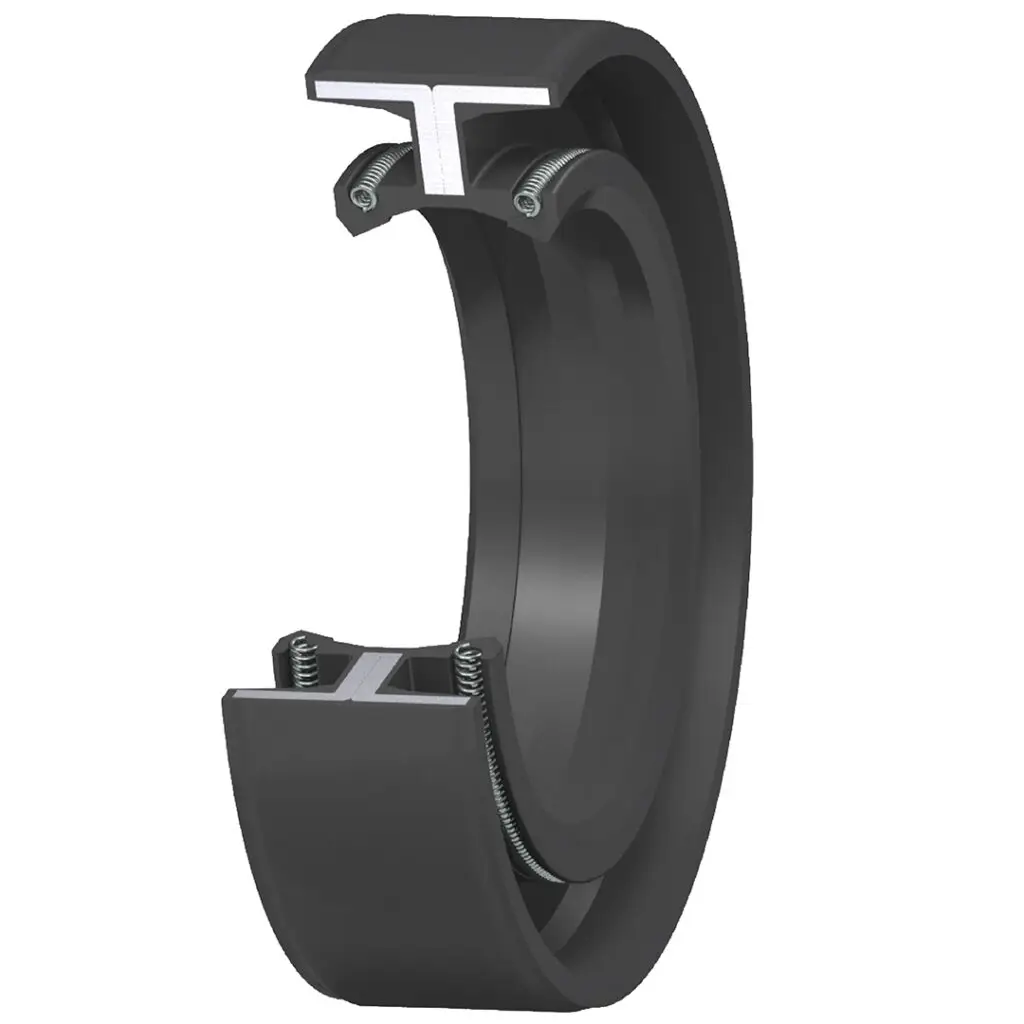
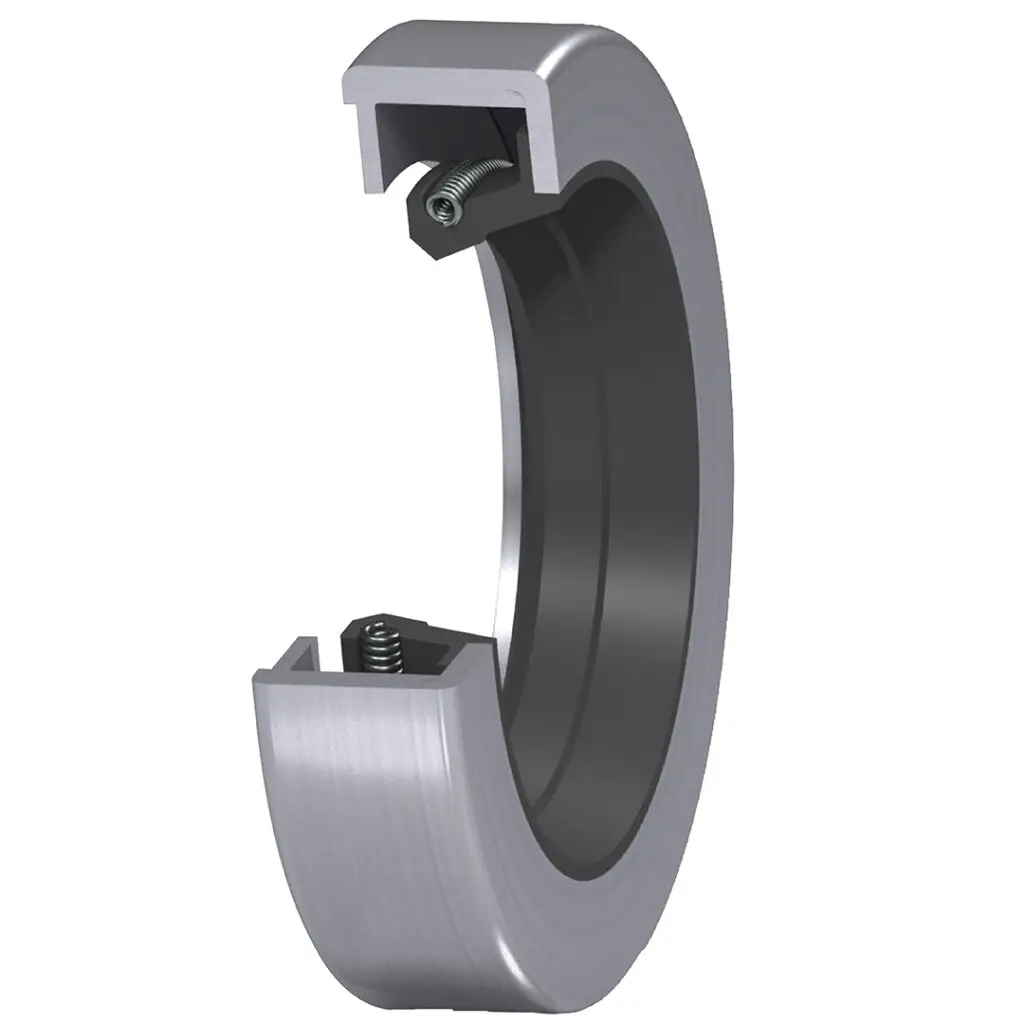
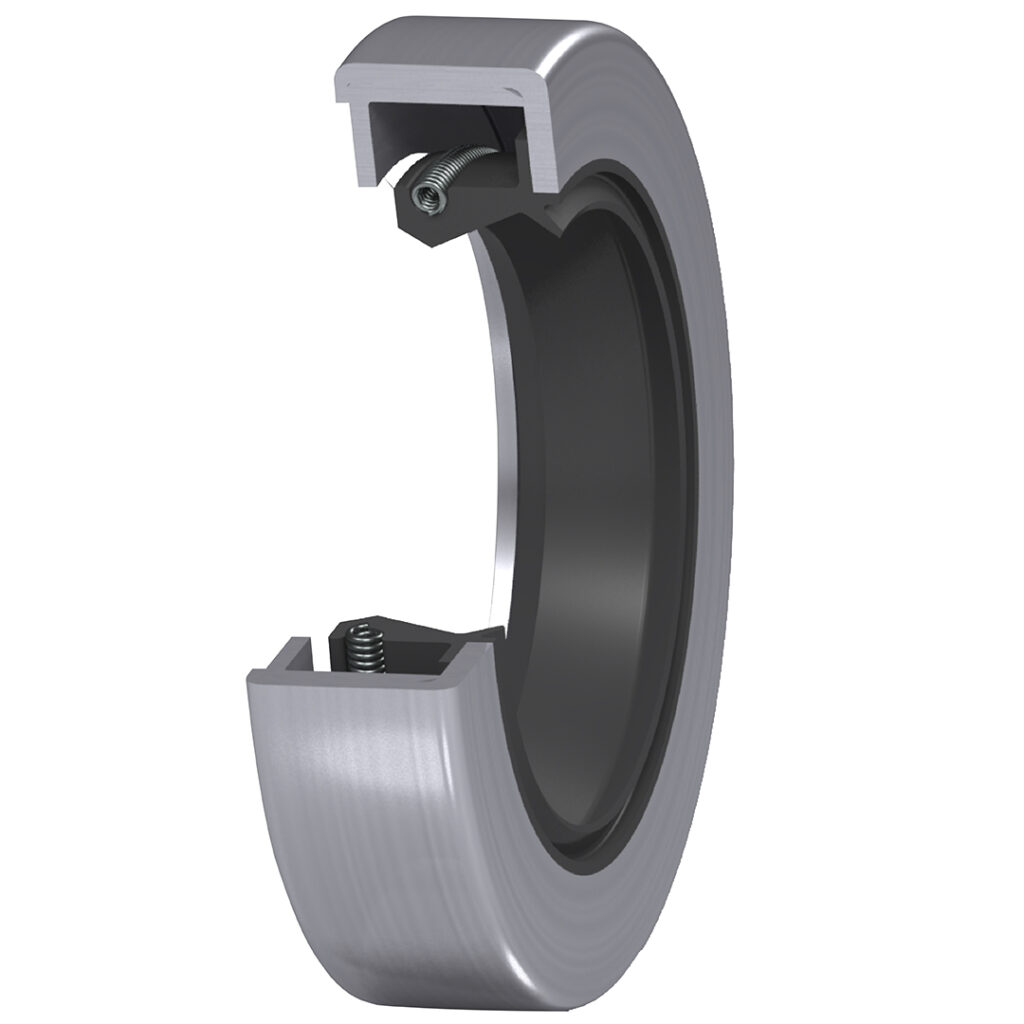
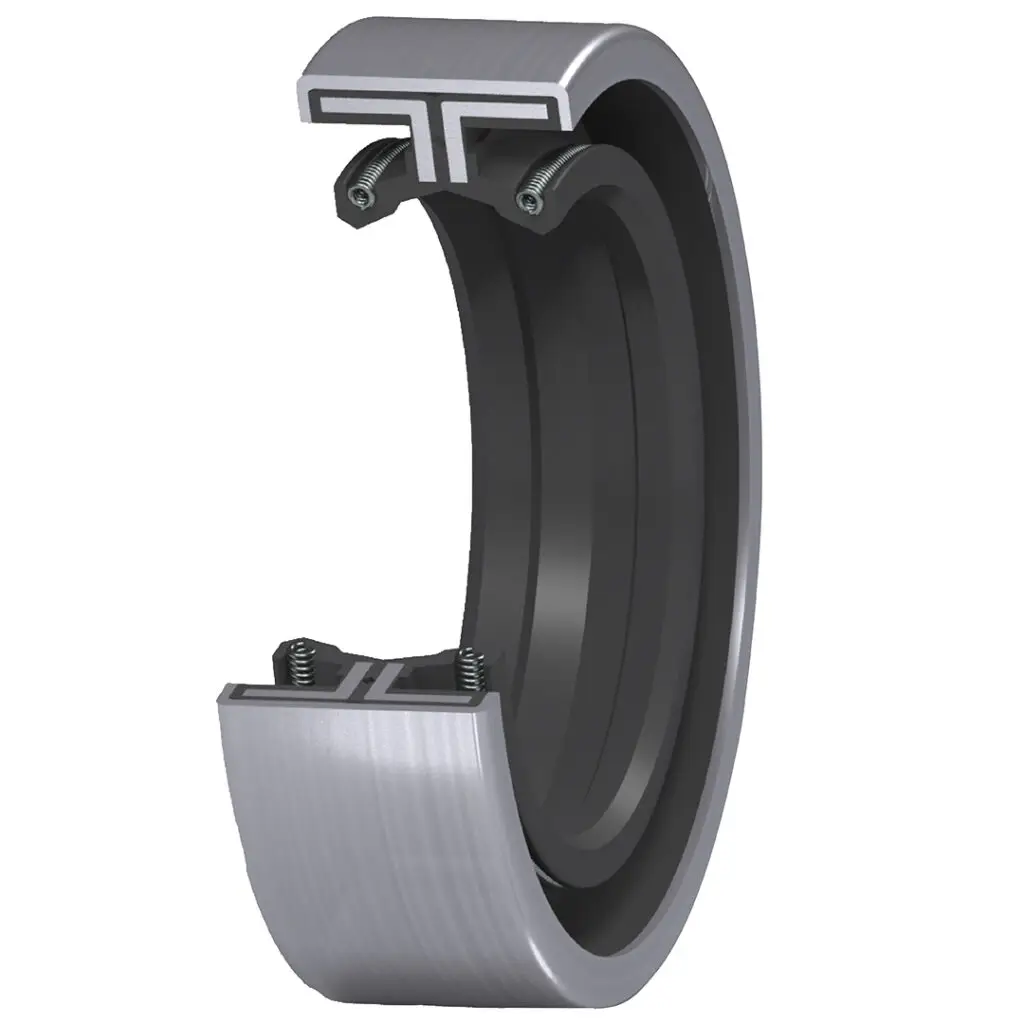
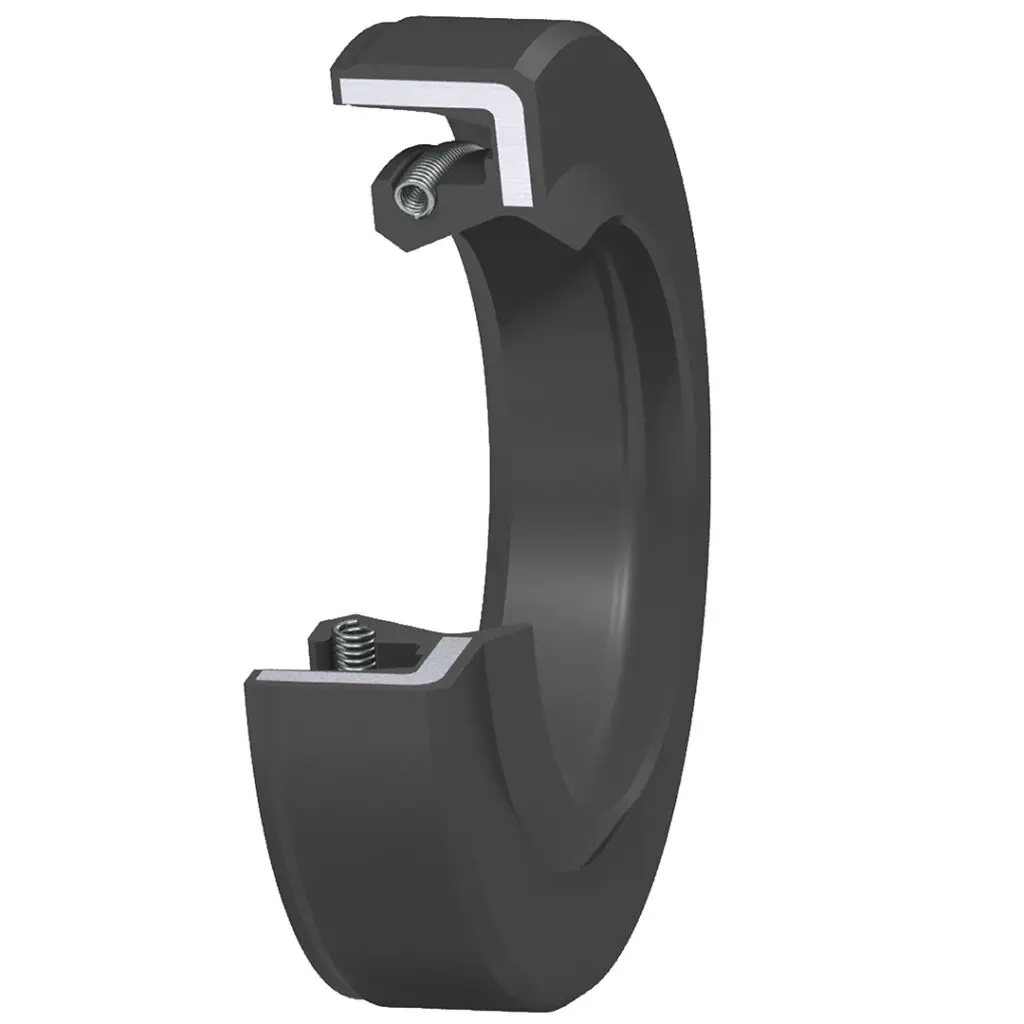
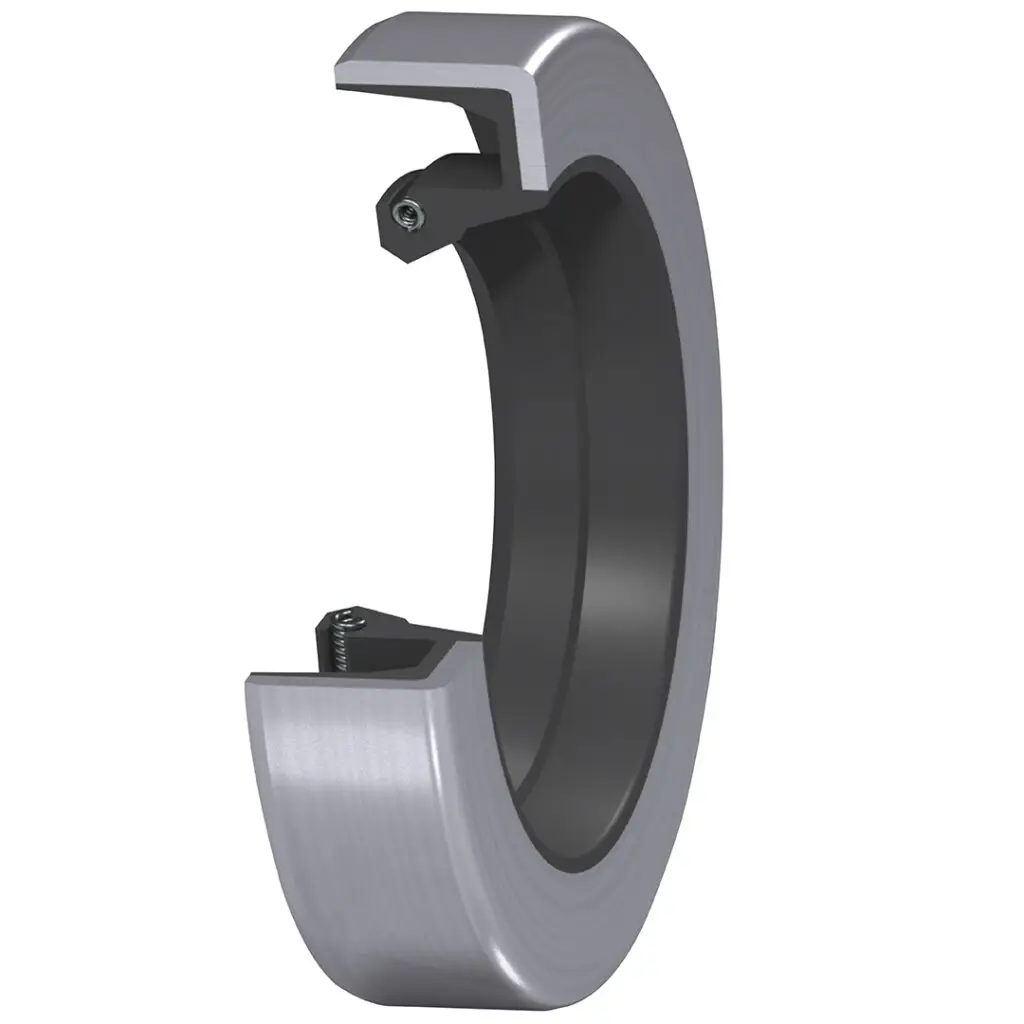
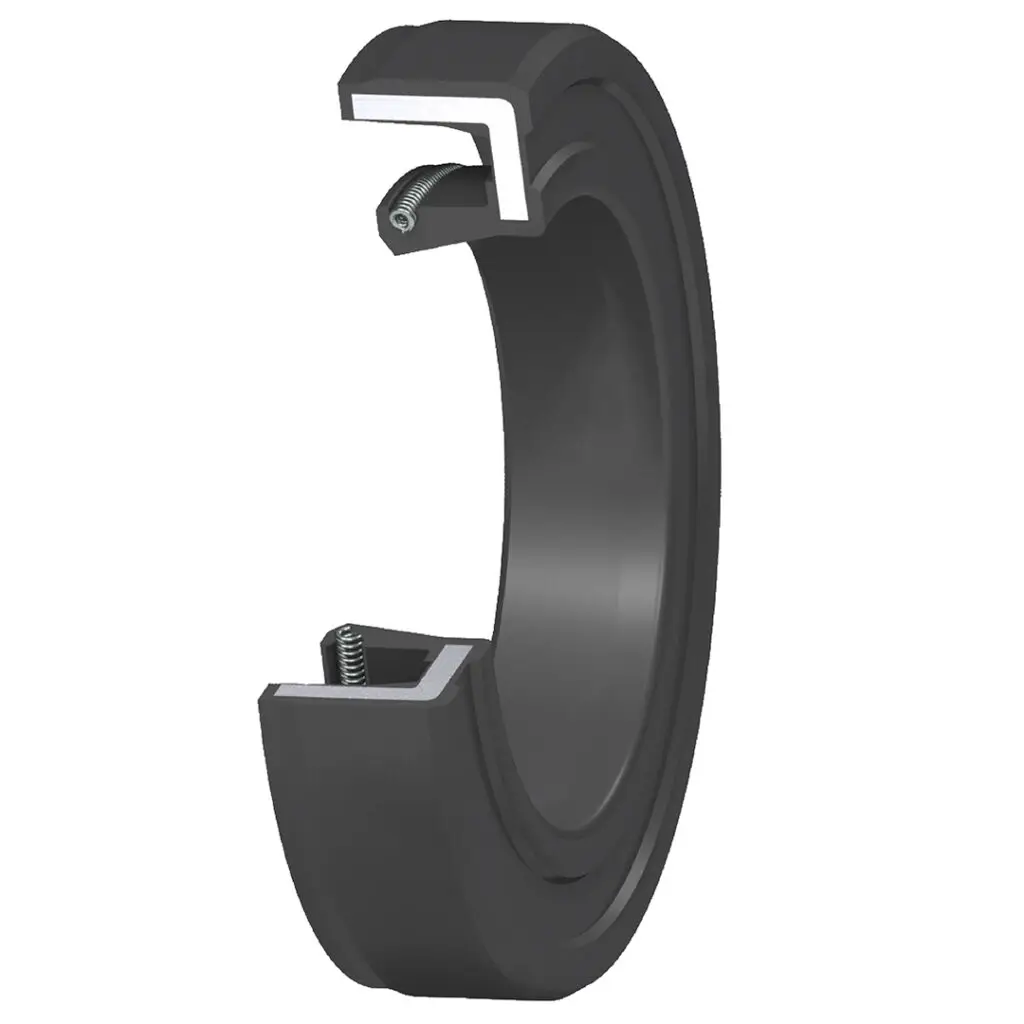
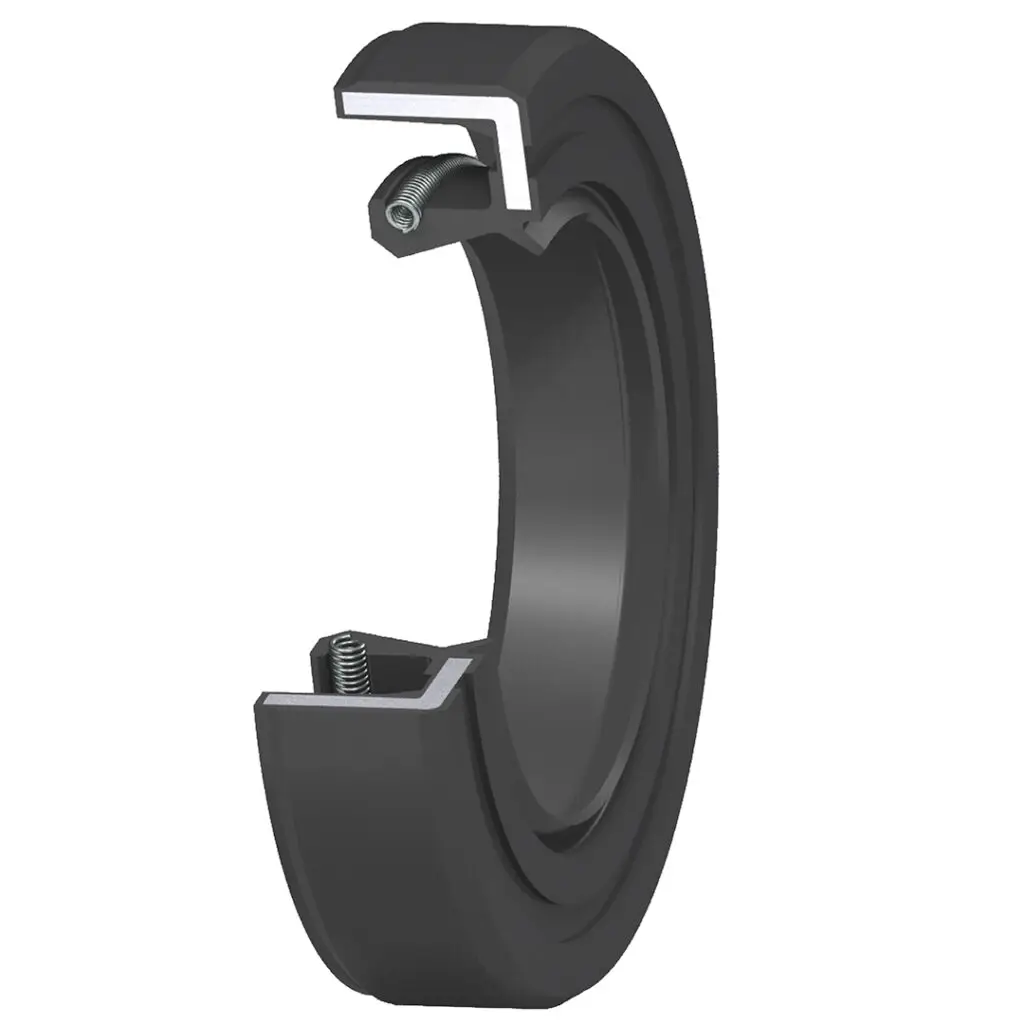
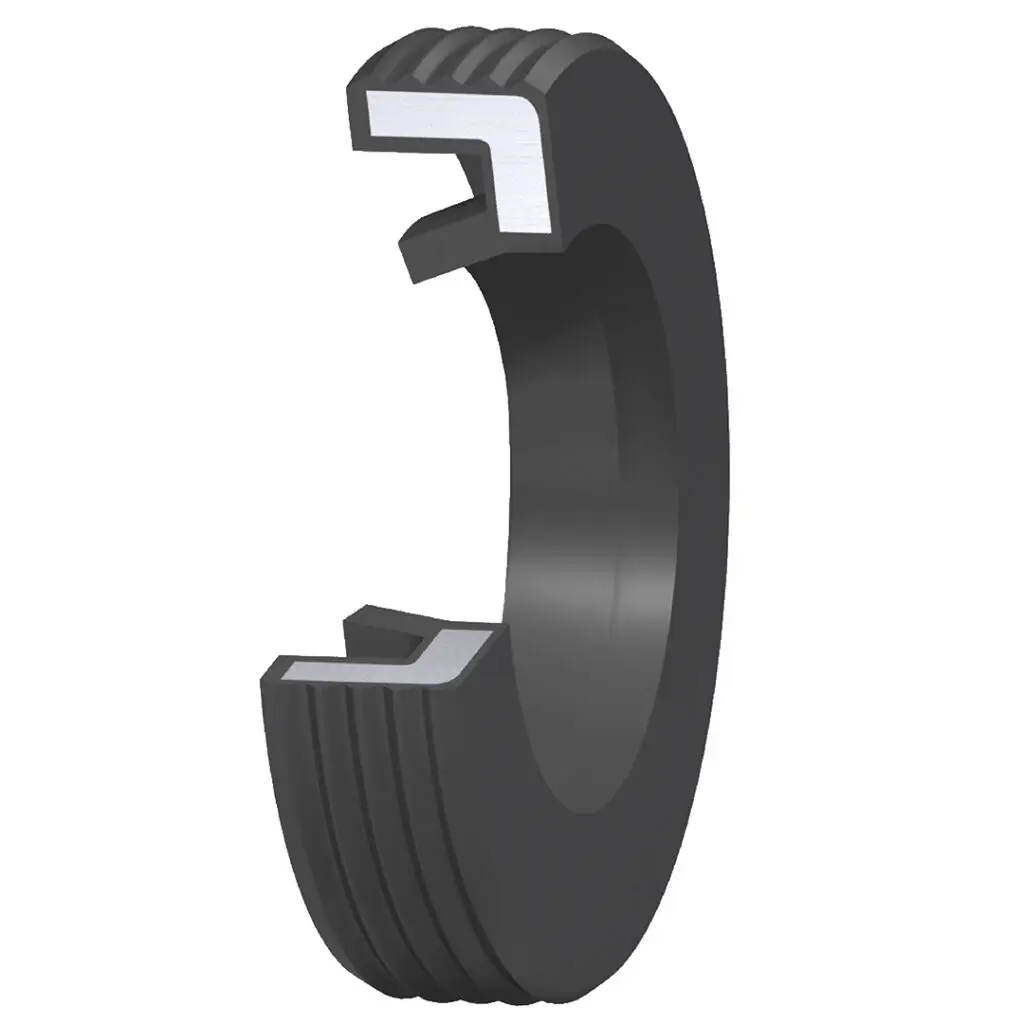
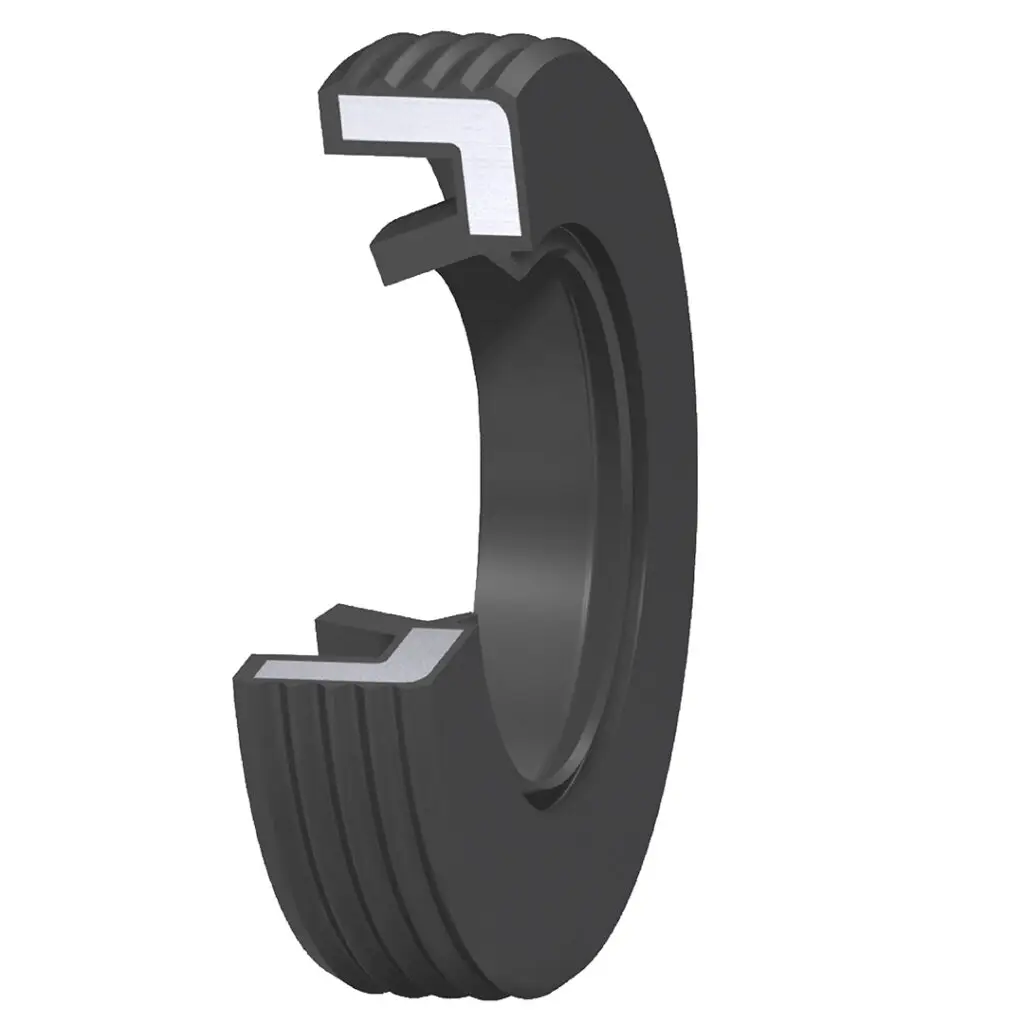
Standard rotary shaft seals, also known as radial rotary shaft seals, are ready-to-install seals for sealing rotating shafts. They are used in accordance with DIN 3760 and usually consist of an elastomer outer jacket, an internal reinforcing metal insert and a sealing lip with a garter spring.
The garter spring provides increased contact pressure of the sealing lip against the shaft and supports sealing performance in the static area. INNSEALS supplies standard rotary shaft seals in materials such as NBR, FKM, VMQ, EPDM and HNBR. Specialty materials are available on request.
The right rotary shaft seal for your application
We provide personal consulting
Send us your inquiry with dimensions, material, medium, temperature range, pressure, and operating conditions. Our team will review the right solution for your application.
Standard Rotary Shaft Seals from INNSEALS
Standard rotary shaft seals are used to seal shafts that rotate or revolve. They prevent lubricants from escaping and keep dirt, dust, moisture and other media from entering the system.
Thanks to their ready-to-install design, radial rotary shaft seals can be used in many machines, gearboxes, motors, pumps and drive systems. The right design type, suitable material and appropriate configuration for the shaft, rotational speed, temperature and medium are essential for reliable performance.
Design of Radial Rotary Shaft Seals
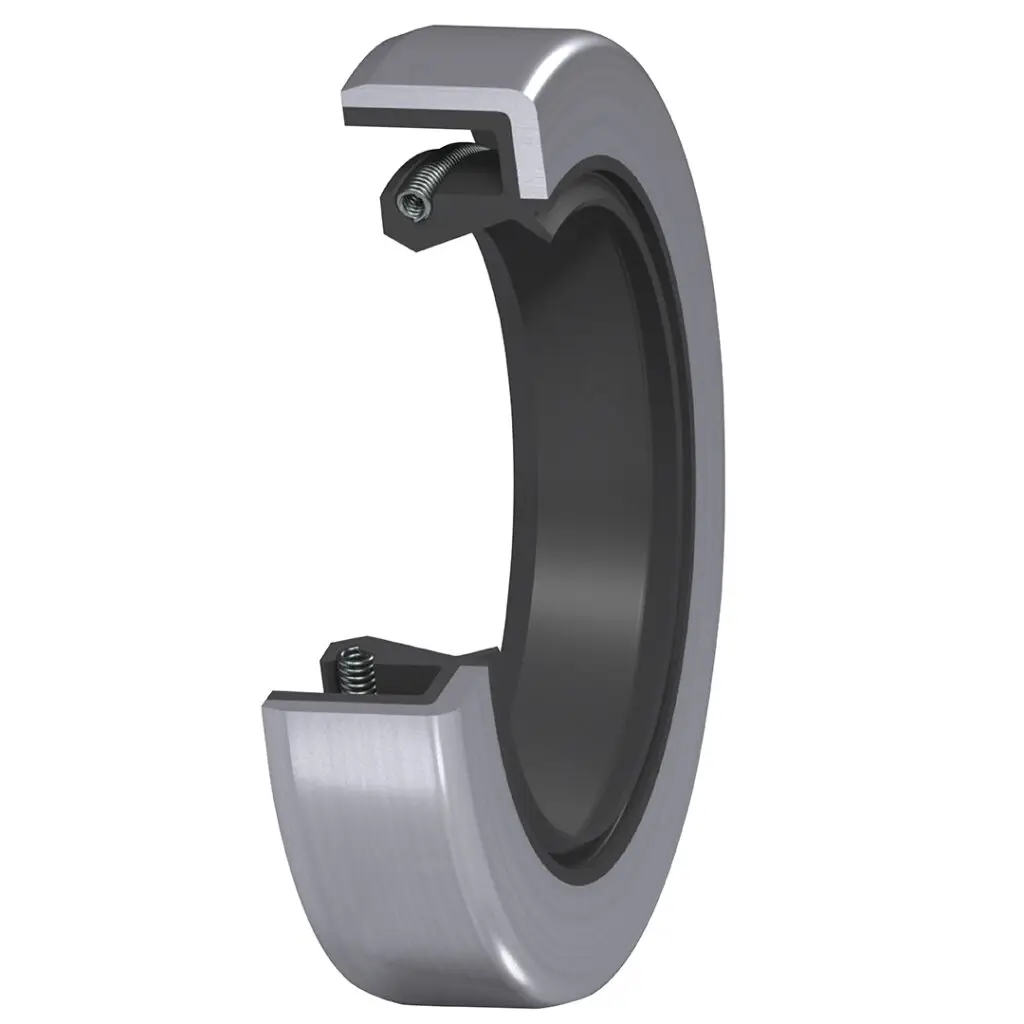
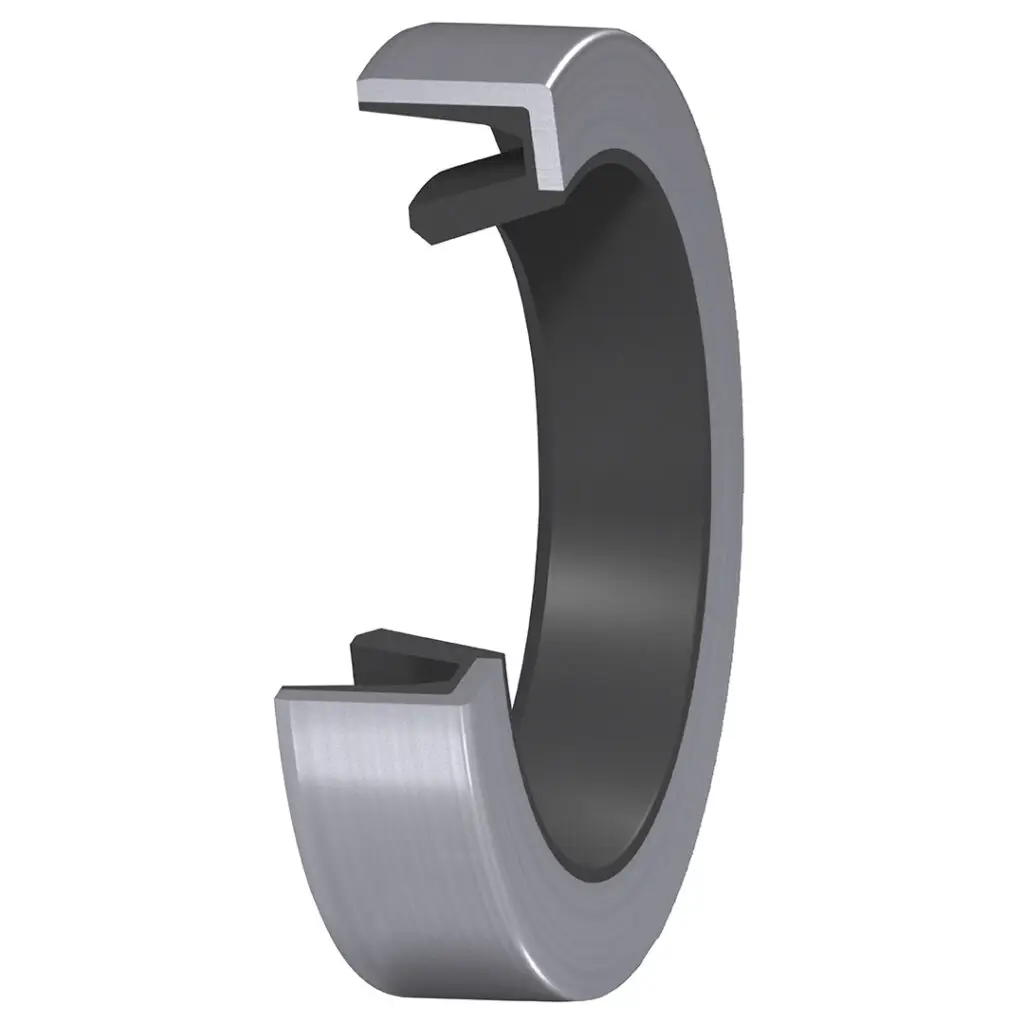
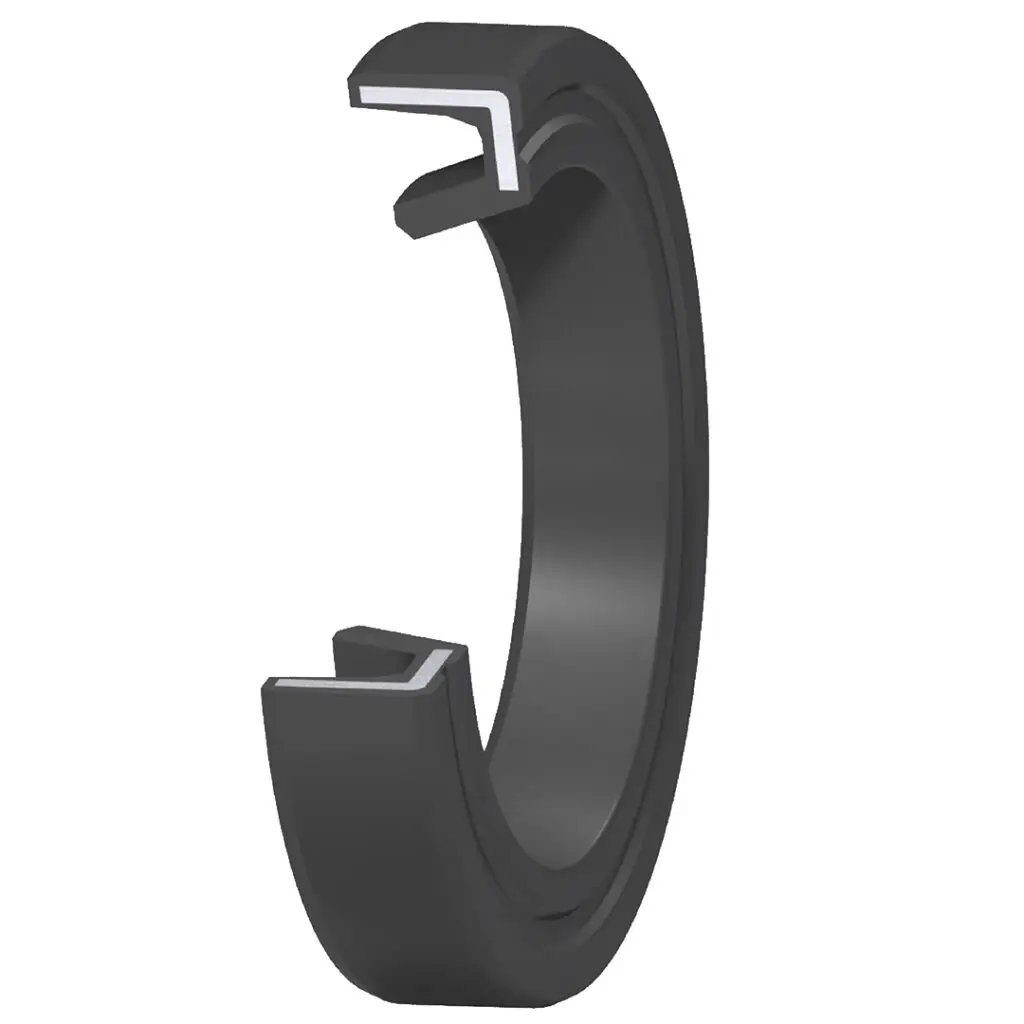
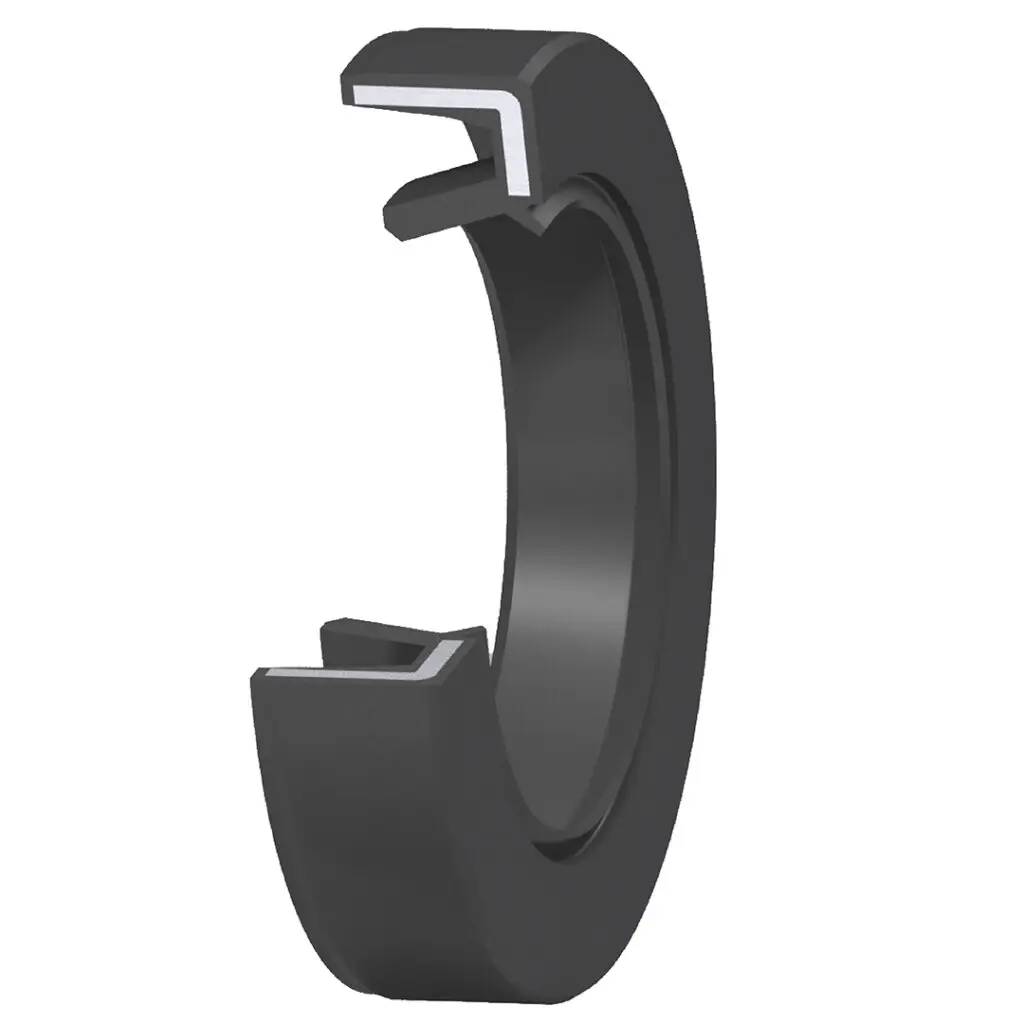
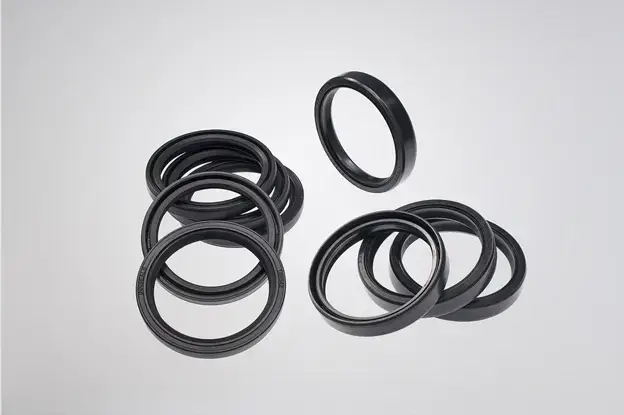
A standard rotary shaft seal consists of several functional elements. The elastomer outer jacket provides static sealing in the housing. The internal reinforcing metal insert ensures dimensional stability. The sealing lip contacts the rotating shaft and provides dynamic sealing.
The garter spring increases the contact pressure of the sealing lip against the shaft. This supports the sealing effect and stabilizes the contact between the sealing lip and the shaft surface.
Typical Components
- Elastomer Outer Jacket
- Internal Reinforcing Metal Insert
- Sealing Lip
- Garter Spring to Support Contact Pressure
- optional additional dust lip depending on the design type
Standard and Specialty Materials
- NBR
- FKM
- VMQ
- EPDM
- HNBR
- Specialty materials available on request
Selecting the right Standard Rotary Shaft Seals
Several technical specifications are important when selecting a suitable radial rotary shaft seal. In addition to the dimensions, rotational speed, shaft surface, temperature, medium and pressure play a decisive role.
Key Information for Design
- inner diameter
- outer diameter
- width
- material
- medium
- temperature range
- rotational speed
- pressure conditions
- shaft material and
- surface quality
- installation space
- required design type
Variants
Rotary Shaft Seal BB
Rotary Shaft Seal BC
Rotary Shaft Seal BD
Rotary Shaft Seal BDS
Rotary Shaft Seal BK
Rotary Shaft Seal CB
Rotary Shaft Seal CBS
Rotary Shaft Seal CC
Rotary Shaft Seal CCS
Rotary Shaft Seal CD
Rotary Shaft Seal CDS
Rotary Shaft Seal CK
Rotary Shaft Seal DB
Rotary Shaft Seal DC
Rotary Shaft Sealichtring DK
Rotary Shaft Seal R10
Rotary Shaft Seal R13
Rotary Shaft Seal R14
Rotary Shaft Seal R28
Rotary Shaft Seal R88
Rotary Shaft Seal R89
Rotary Shaft Seal RA1
Rotary Shaft Seal RA3
Rotary Shaft Seal RA4
Your FAQs answered
Frequently asked questions:
There are various designs, e.g. with or without a dust lip as well as different sealing lip designs. Selection is based on operating conditions such as contamination, pressure and rotational speed.
Typical materials are NBR, FKM or PTFE. They differ in temperature resistance, chemical resistance and wear behavior depending on the application.
Inner diameter, outer diameter and width are important. These dimensions must match the shaft and housing exactly to ensure reliable sealing.
No, shaft seals should generally be replaced after removal. Already used seals may be damaged or worn and may no longer reliably perform their function.
They are robust, versatile and available in many standard sizes. They also offer reliable sealing in rotating applications and are economical to use.